In a significant development for rugby enthusiasts, Tappe Henning, the head of match officials for the United Rugby Championship (URC), has expressed concerns regarding World Rugbys recent decision to eliminate the option of a scrum following a free kick. This ruling, which has implications for teams that rely heavily on their scrum as a tactical weapon, raises questions about the future dynamics of the game, particularly for South African teams known for their powerful forward packs. Hennings critique comes at a time when South African teams, including the likes of the Bulls, Stormers, and Sharks, have built a reputation on their dominant scrummaging abilities. With the Springboks also showcasing a formidable scrum during the Rugby World Cup, the removal of the scrum option could potentially undermine a key aspect of their game plan. Henning noted that while a strong scrum has traditionally been a significant advantage, the new rules might allow teams to nullify this strength more effectively, thereby altering the strategic landscape of matches. The decision to abolish the scrum from free kicks has sparked discussions among coaches and players alike, as teams will now need to adapt their strategies to account for this change. Coaches may have to rethink their approach to set pieces, focusing on alternative ways to gain an advantage without relying on scrums. The emphasis may shift towards quick ball play and exploiting gaps in the defense, which could lead to a more dynamic and fluid style of rugby. For South African teams, who have often thrived in the set-piece battles, this rule change presents both a challenge and an opportunity. The Bulls, for instance, have historically prided themselves on their forward dominance, with players like Duane Vermeulen leading the charge. Adapting to this new reality will require innovative thinking and tactical flexibility from coaches like Jake White, who will need to prepare their squads for a game that may increasingly favour agility over brute strength. Moreover, Hennings comments come as the URC continues to evolve, with various teams looking to establish themselves in the tournament. The competition has seen a blend of South African and European styles, and the removal of the scrum option could further influence how these teams approach their matches. Coaches will need to ensure that their players are not only skilled in traditional scrummaging but also adept at quick transitions and open play. As the rugby community digests this change, the focus will inevitably shift to how teams will respond in the upcoming fixtures. The URC has always provided a platform for teams to showcase their strengths, and it will be intriguing to see how South African teams adapt to this new rule. The upcoming matches promise to be a testing ground for strategies that either embrace the new dynamics or seek to retain the traditional strengths that have defined South African rugby for decades. In conclusion, as the rugby landscape continues to evolve with such significant rule changes, teams must remain agile and responsive. The challenge for South African teams lies in balancing their established strengths with the need to innovate in a game that is increasingly shifting towards a faster, more fluid style of play. As the URC progresses, fans and analysts alike will be watching closely to see how these developments unfold on the pitch.
URC Scrummaging Rules Spark Debate
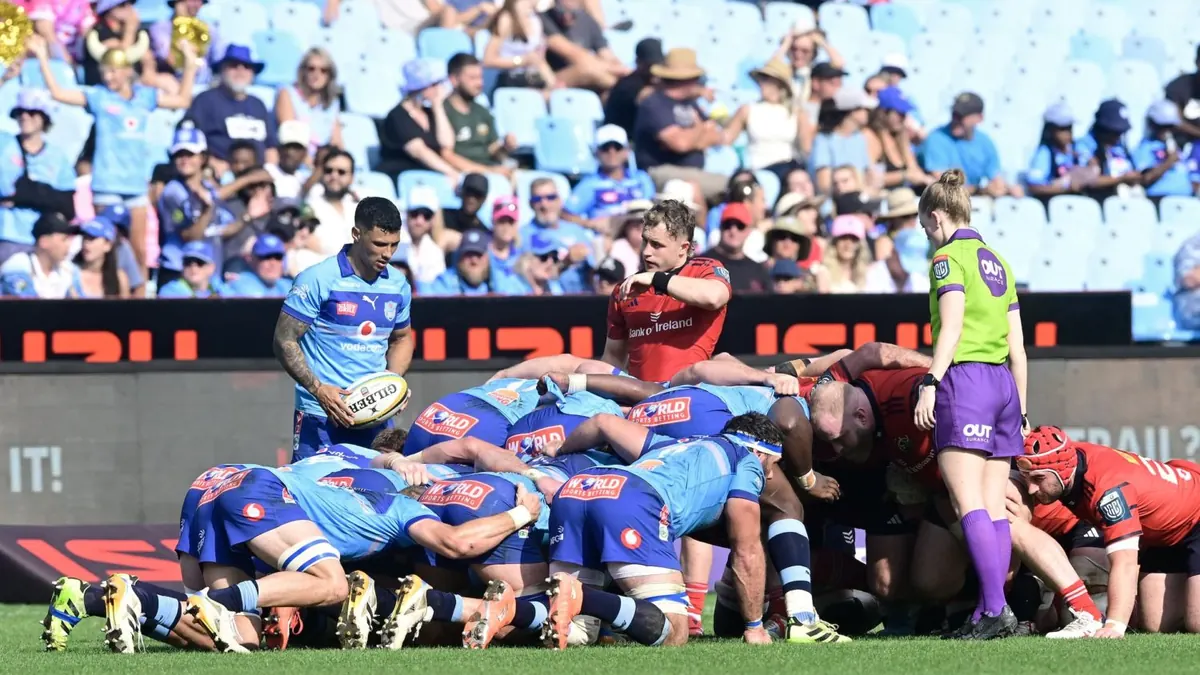
In a significant development for rugby enthusiasts, Tappe Henning, the head of match officials for the United Rugby Championship (URC), has expressed concerns regarding World Rugbys recent decision to eliminate the option of a scrum following a free kick.