In the annals of South African cricket, few moments resonate as painfully as the 1992 Cricket World Cup semi-final against Australia. This match, held at Edgbaston, Birmingham, is often regarded as one of the most thrilling yet heartbreaking encounters in One Day International history. For the Proteas, it was a culmination of hope, pressure, and ultimately, a gut-wrenching exit that would haunt the team and its supporters for years to come. The stage was set as South Africa faced Australia in a high-stakes semi-final. This was the first World Cup for the Proteas since their readmission to international cricket, and expectations were sky-high. The team, led by captain Hansie Cronje, had shown tremendous resilience throughout the tournament. They boasted a strong squad featuring the likes of Allan Donald, Jonty Rhodes, and the ever-reliable batting of Gary Kirsten. The stakes were immense: a chance to reach the final and compete for the coveted World Cup trophy. Australia, on the other hand, was a formidable opponent, led by the legendary Allan Border. The Australians had a reputation for their fierce competitiveness and had been in excellent form throughout the tournament. The match commenced with a tense atmosphere, with both teams understanding the weight of the occasion. South Africa batted first and managed to post a respectable total, with key contributions from their top order. However, the Australian bowlers, known for their aggressive style, kept the pressure on, making it difficult for the Proteas to settle into a rhythm. As the match progressed, it was not just the cricketing prowess on display that captured the audiences attention, but also the unfolding drama that would become infamous. With Australia chasing South Africas total, the game took a turn when rain interrupted play. The innovative yet controversial rain rule, the Parc de Princes method, would come into play, leading to confusion and despair among South African players and fans alike. When play resumed, South Africa was suddenly faced with an adjusted target, drastically altering the dynamics of the match. In a cruel twist of fate, the Proteas found themselves needing to score 22 runs off the last 13 balls, a task that seemed within reach. However, the pressure proved too much, and as wickets fell in quick succession, the dream of reaching the final began to slip away. The final moments of the match were filled with tension and despair as the Proteas fell short, leaving them to grapple with the reality of yet another World Cup exit. This match remains etched in the hearts of South African cricket fans, symbolizing the struggles and disappointments faced by the team on the world stage. The 1992 semi-final not only highlighted the talent within the squad but also the emotional toll such high-stakes matches can take on players and supporters alike. The Proteas have since experienced other heart-wrenching exits in World Cups, but the 1992 semi-final is often regarded as the archetype of South Africas cricketing misfortunes. As South Africa looks to the future, the lessons learned from past tournaments continue to resonate. The Proteas are in a phase of rebuilding and re-strategizing, with a focus on nurturing young talent and creating a more resilient team culture. With upcoming international fixtures and tournaments on the horizon, there is hope that the ghosts of 1992 can be laid to rest, and that South Africa can finally lift the World Cup trophy that has eluded them for so long. The journey ahead is fraught with challenges, but the passion and determination of South African cricket remain unwavering.
The Heartbreak of the 1992 Cricket World Cup Semi-Final
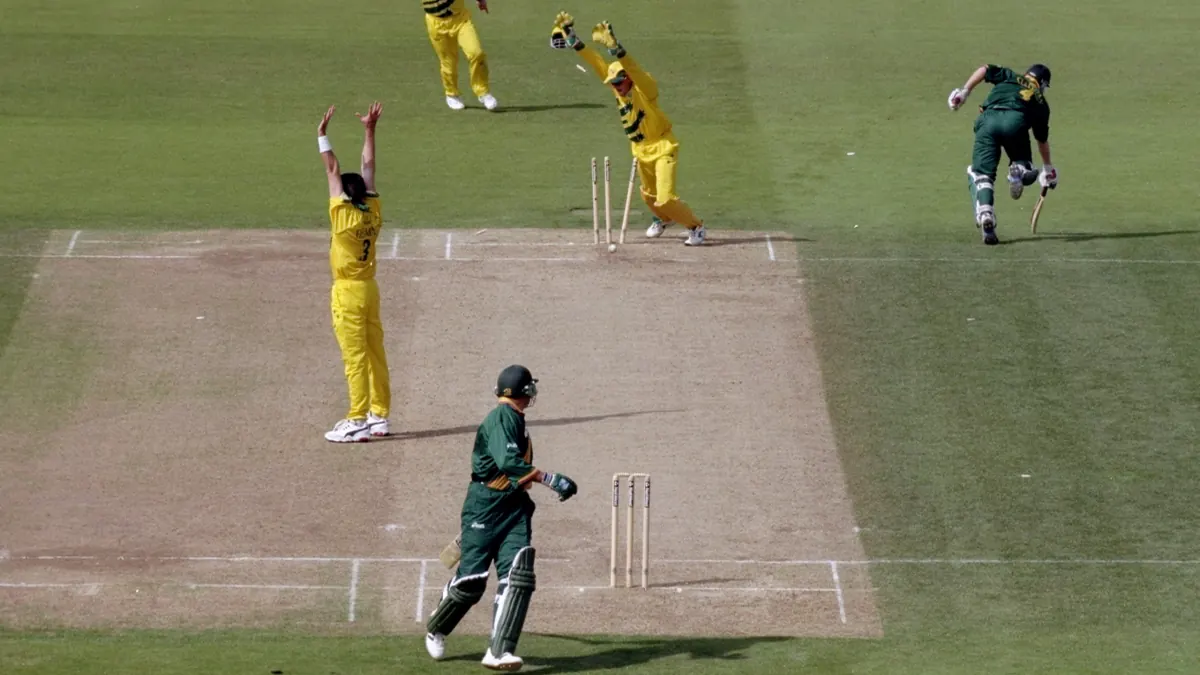
In the annals of South African cricket, few moments resonate as painfully as the 1992 Cricket World Cup semi-final against Australia.