In the annals of rugby history, few events have sparked as much debate and controversy as the New Zealand Cavaliers tour of South Africa. This infamous series took place during a time of intense political and social upheaval in the country, and the repercussions of the tour are still felt today. As the Springboks prepare for their latest challenges on the international stage, the echoes of the past remind us of the fierce rivalries and the complexities that surround the sport. The Cavaliers, a team made up of New Zealands top players, arrived in South Africa in 1986 amidst a backdrop of international sporting isolation due to the apartheid regime. The tour was contentious from the outset, as it was not officially sanctioned by the New Zealand Rugby Union. Yet, the allure of playing against the Springboks, a team renowned for their prowess, was too tempting for many players. The matches drew significant attention and sparked protests both in South Africa and abroad, highlighting the intersection of sport and politics. The Springboks, under the leadership of coach Kitch Christie, faced the Cavaliers in a series that was as much about pride as it was about sporting excellence. The first match saw the Springboks take to the field with a mix of seasoned veterans and emerging talents, all eager to prove their mettle against a team that was seen as an affront to the existing sporting norms. The Boks were determined to uphold their legacy and demonstrate that they could compete on the world stage despite the controversy surrounding the tour. Key players in the Springbok squad, such as the formidable lock Ruben Kruger and the dynamic back Francois Pienaar, showcased their skills in a series of intense encounters. The physicality of the matches was palpable, with both teams leaving everything on the field. The atmosphere was electric, with supporters divided, reflecting the broader societal rifts of the time. For many South Africans, the matches represented more than just a game; they were a battleground for national identity and pride. The Cavaliers, featuring stars like David Kirk and John Gallagher, were not just there to make up the numbers. They displayed a brand of rugby that was both skillful and aggressive, challenging the Springboks at every turn. Each match was a test of character, with players on both sides pushing the limits of their endurance and resolve. The rivalry intensified with each passing game, culminating in a series that would be etched into the memories of all who witnessed it. As the Springboks look ahead to future challenges, the lessons learned from that turbulent era remain relevant. The sport continues to evolve, with discussions around inclusivity and the role of rugby in bridging societal divides ongoing. The legacy of the 1986 tour serves as a reminder of the power of sport to unite and divide, a duality that still resonates in the current sporting landscape. With upcoming international fixtures on the horizon, the Springboks will aim to build on their rich history while navigating the complexities of modern rugby. The echoes of the past will undoubtedly inspire the current generation of players, as they strive to honor the legacy of those who came before them and shape the future of the sport in South Africa.
The Controversial 1986 Cavaliers Tour
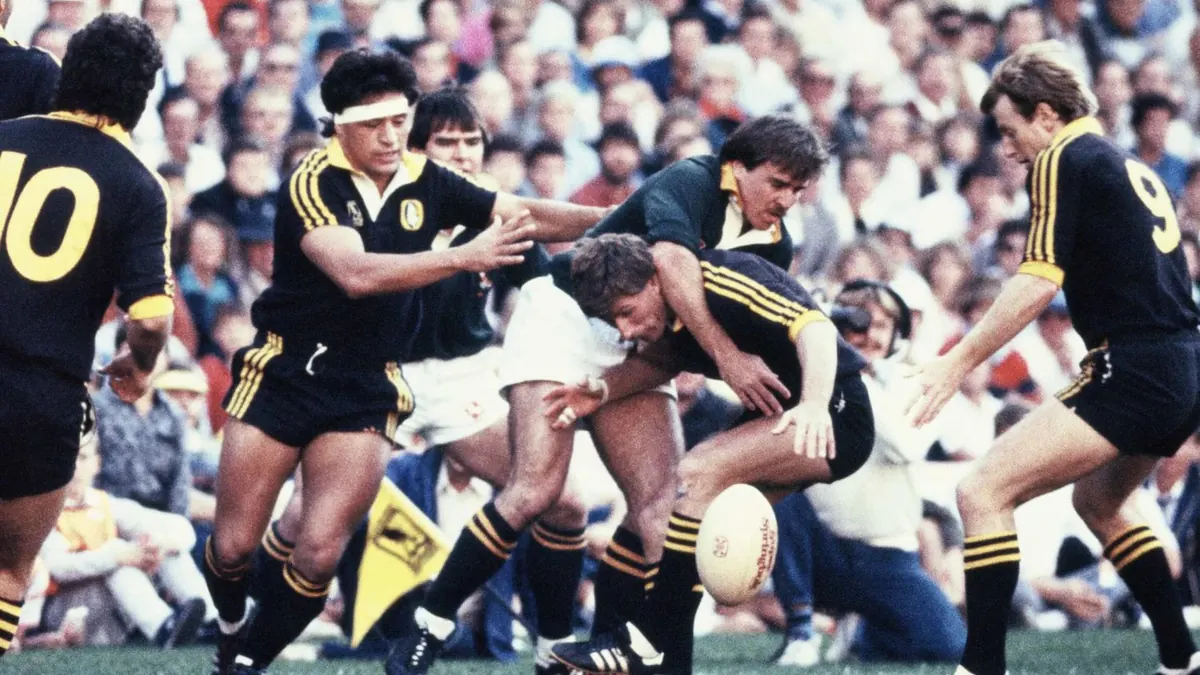
In the annals of rugby history, few events have sparked as much debate and controversy as the New Zealand Cavaliers tour of South Africa.