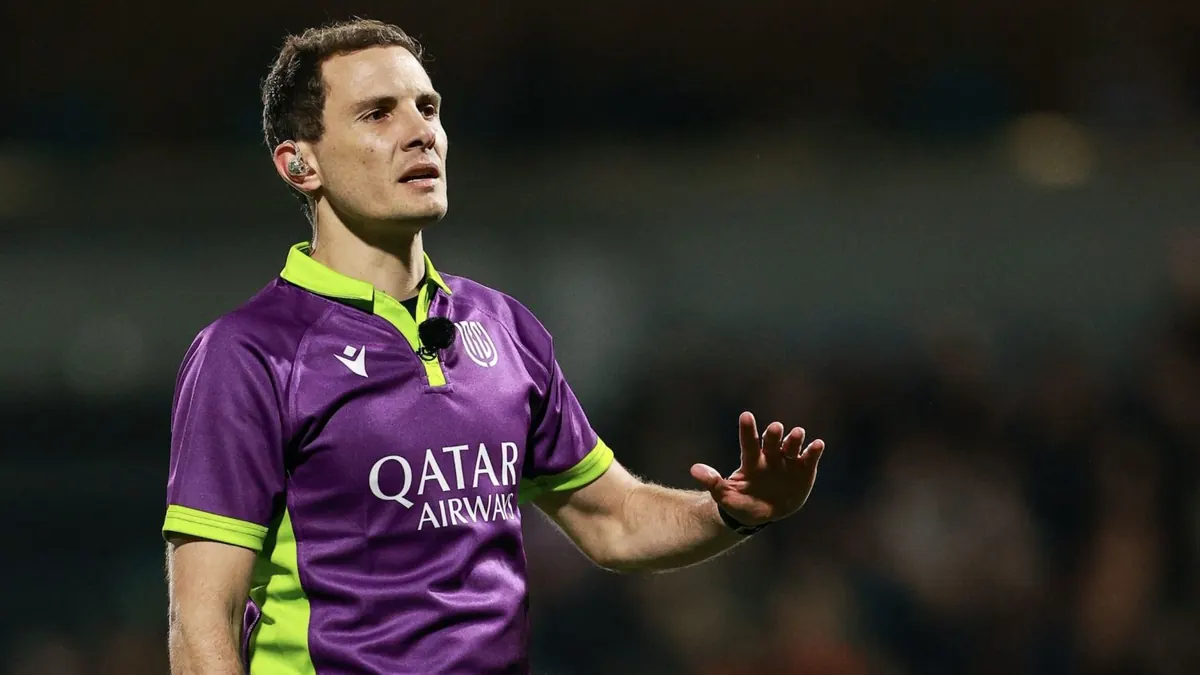
In a significant development for South African rugby, Tappe Henning, the head of match officials, has praised the newly implemented TMO (Television Match Official) system in the Vodacom United Rugby Championship (URC). This advancement is expected to enhance the accuracy and efficiency of officiating, a critical aspect of the game that has been under scrutiny in recent years.
The new TMO process aims to streamline decision-making during matches, allowing for quicker resolutions to contentious calls. This is particularly relevant in high-stakes games where every point can determine the outcome of a season or playoff position. The URC, which features prominent teams from South Africa, Wales, Ireland, Scotland, and Italy, demands a level of precision that this updated system hopes to achieve. Hennings endorsement of the TMO process suggests that it may serve as a model for future officiating standards not only in South Africa but also across international rugby.
As the URC season progresses, the implications of this new TMO system are already being felt by teams and players alike. For South African franchises, including the reigning champions, the DHL Stormers, and perennial contenders like the Sharks and Bulls, the ability to rely on accurate officiating could be pivotal. Close matches often hinge on marginal calls, and the TMOs role in clarifying such situations may provide an advantage to teams that can adapt quickly to the new process.
Moreover, the TMO system is expected to enhance the viewing experience for fans, who have become increasingly vocal about the need for transparency in decision-making. The integration of technology in officiating is seen as a necessary evolution in the sport, especially in a country where rugby is a significant cultural touchstone. By improving the accuracy of on-field decisions, the URC aims to foster a more engaging atmosphere for spectators, both in stadiums and at home.
The South African rugby community has been keenly aware of the controversies surrounding officiating in recent years. High-profile matches have often been marred by contentious decisions, leading to calls for reform. Hennings advocacy for the new TMO system signals a commitment to addressing these concerns and ensuring that players and teams can compete on a level playing field.
Looking ahead, the successful implementation of the TMO process could set a precedent for other rugby competitions globally. As the URC continues to grow in stature and competitiveness, it will be interesting to see how this technological evolution impacts the game. With the season still unfolding, the focus will remain on how teams adapt to these changes and the potential benefits that may arise from a more reliable officiating framework. The future of rugby in South Africa appears poised for a more transparent and fair playing environment, setting a positive tone for the sports continued development.