The conversation surrounding the Springboks and their approach to the upcoming Rugby World Cup is heating up, particularly with regard to the age and fitness of some of their veteran players. Recently, prominent figures in the rugby community, including Steven Kitshoff, Steve Hansen, and Ewen McKenzie, have emphasized the need for candid discussions between Rassie Erasmus and the ageing champions of the World Cup. As the Springboks prepare for the next World Cup, there is a palpable tension regarding the balance between experience and youth within the squad. The trio of former coaches, Hansen and McKenzie, alongside Kitshoff, have suggested that the time has come for South Africas coaching staff to assess which players are still capable of performing at the highest level. This is especially pertinent as the competition draws near, and the stakes could not be higher for a nation that holds rugby close to its heart. The Springboks success in was largely attributed to a blend of seasoned professionals and emerging talent. However, with several key players now in their mid to late thirties, questions arise about whether their physical condition will allow them to compete effectively against younger, fitter opponents. The likes of Siya Kolisi, Handré Pollard, and other veterans have been pivotal in past victories, but the rigors of international rugby demand peak performance, which may be challenging as age catches up. Kitshoffs comments reflect a growing sentiment that while experience is invaluable, it should not overshadow the potential contributions of younger players. South Africas rugby landscape is rich with talent, and the emergence of players like Evan Roos and Aphelele Fassi presents an opportunity for the Springboks to refresh their squad while maintaining competitive edge. The ability to integrate these younger players into the setup could be crucial for the teams success in the World Cup. The timing of these discussions is critical. With the World Cup set to commence soon, the Springboks must finalize their squad and game plan. The balance between nurturing emerging talent and relying on the experience of proven players will be a defining factor in their campaign. The coaching staff, led by Erasmus, will need to navigate these waters carefully to ensure the team is both resilient and adaptable. As South African rugby fans look ahead, the anticipation builds. The outcome of these internal discussions will shape not only the Springboks performance in the World Cup but also the future of South African rugby. With the right mix of experience and youth, the Springboks could very well contend for another title, further solidifying their status in the annals of rugby history. The coming weeks will be crucial as the team prepares to embark on this challenging journey.
Springboks World Cup Squad Dilemma
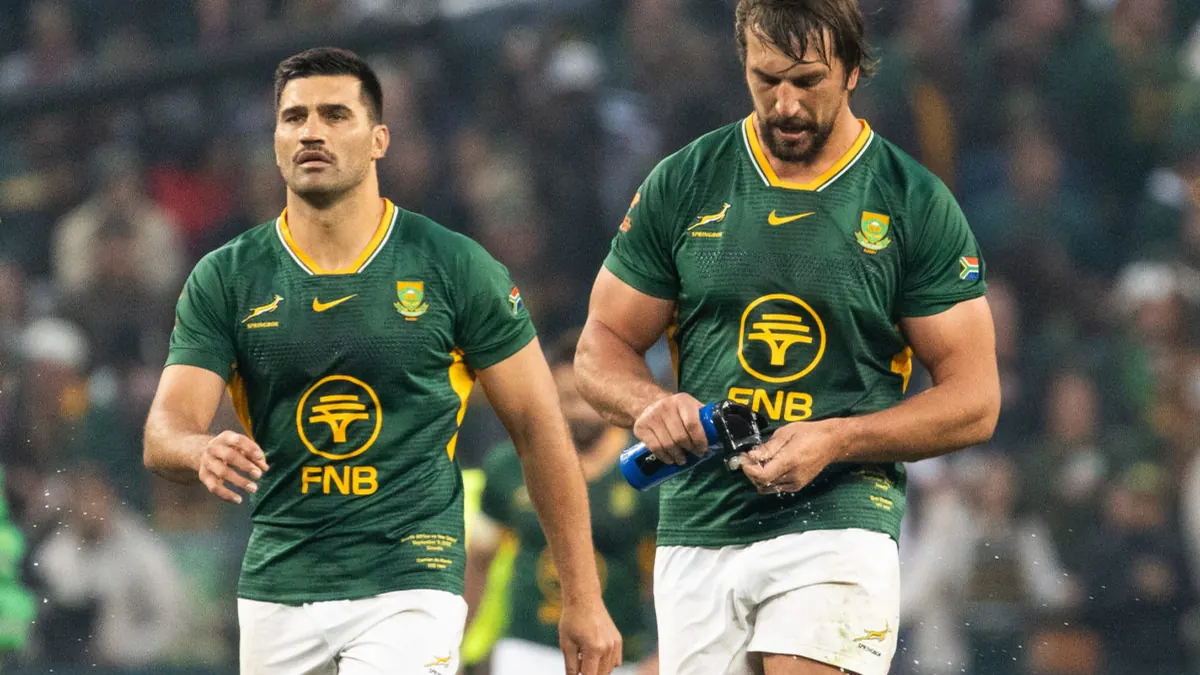
The conversation surrounding the Springboks and their approach to the upcoming Rugby World Cup is heating up, particularly with regard to the age and fitness of some of their veteran players.