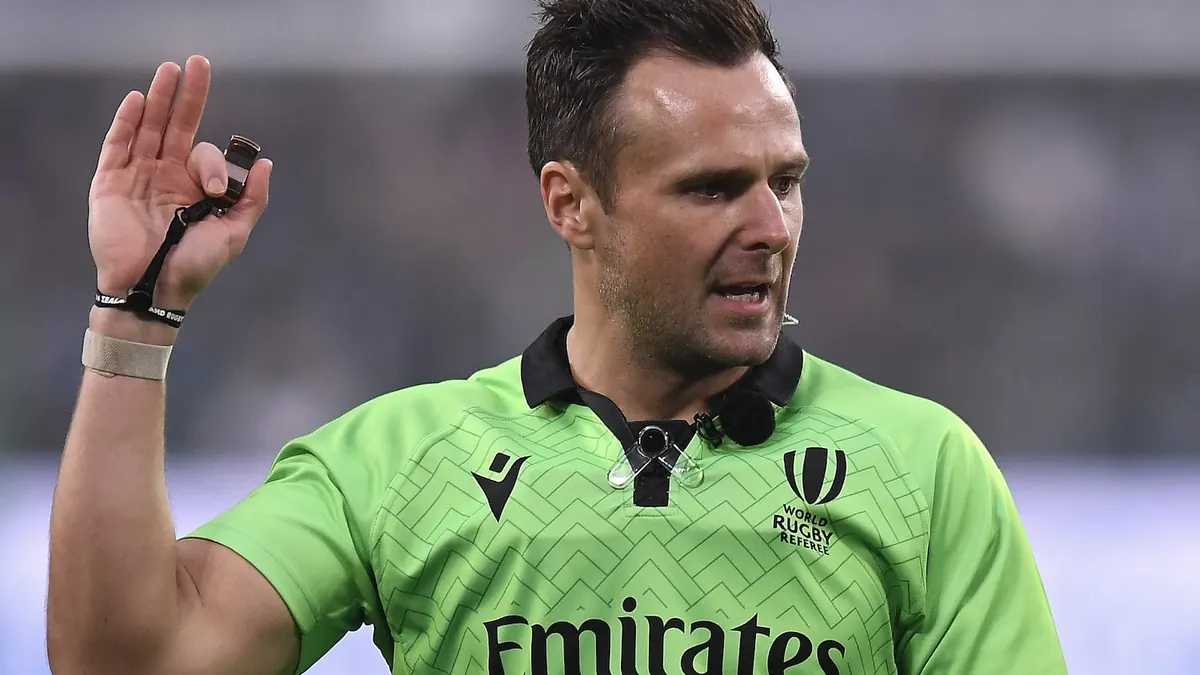
The Springboks recent clash with Italy at Allianz Stadium not only showcased South Africas prowess on the rugby field but also placed the spotlight on referee James Doleman. His officiating during this high-stakes match has prompted discussions among fans and analysts alike, as they assess the impact of his decisions on the games flow and outcome.
Doleman, a New Zealand referee with a growing reputation in the international rugby scene, was tasked with managing a match that carried significant implications for both teams. For South Africa, the Springboks aimed to build momentum ahead of future competitions, while Italy sought to prove their mettle against one of the sports powerhouses. The stakes were high, and the performance of the referee would inevitably come under scrutiny.
Throughout the match, Doleman faced the challenge of maintaining control over a game characterized by its physicality and intensity. South Africa, known for their aggressive style of play, often tests the limits of the laws of rugby. Dolemans ability to enforce the rules while allowing the game to flow was crucial. His decisions on penalties and free kicks could have swayed the momentum, making it essential for him to strike a balance between discipline and game continuity.
Players from both sides were keenly aware of Dolemans presence and decision-making. The Springboks, led by their seasoned veterans, aimed to capitalize on any perceived leniency in the breakdown, while Italys players sought to challenge South Africas dominance without overstepping the mark. Key moments in the match hinged on Dolemans interpretations, from scrums to offside calls, which are often the most contentious areas in rugby officiating.
In the aftermath of the match, the discussion surrounding Dolemans performance is reflective of a broader dialogue in South African rugby. Fans and analysts are increasingly vocal about the role of referees in shaping the outcomes of games. With the Springboks gearing up for more challenging fixtures, the scrutiny on officiating will only intensify as supporters hope for consistency and fairness in future encounters.
As the rugby calendar progresses, the focus will shift to upcoming matches where the Springboks will continue to refine their game plan and test their limits against formidable opponents. The performance of referees like James Doleman will remain a pivotal aspect of those encounters, affecting both the players strategies and the fans experiences. The ongoing dialogue about refereeing standards in rugby is likely to shape discussions in the lead-up to significant tournaments, highlighting the importance of fair play in the sport.