In the wake of the Springboks recent defeat in Perth, rugby analysts are scrutinizing the decisions made by head coach Rassie Erasmus, particularly regarding the selection of a significantly altered starting XV. Notably, former Springbok coach Nick Mallett has weighed in, suggesting that Erasmus would likely not have made such sweeping changes had the match held greater significance. The Springboks faced Australia in a Test match that, while crucial for momentum, did not carry the same weight as a World Cup fixture. This context has led to discussions about the strategic choices made by Erasmus, who opted to rest key players in favour of giving some less experienced members of the squad a chance to shine. Mallett argues that the decision reflects a calculated risk rather than a lack of preparedness, indicating that Erasmus is confident in his squads depth. Among the players who took to the field were several who had been on the fringes of the starting lineup. This included players looking to make a case for more permanent inclusion in future matches. While the Springboks have enjoyed considerable success, the managements decision to rotate the squad raises questions about the balance between maintaining team cohesion and developing new talent. The defeat in Perth serves as a reminder of the challenges faced in international rugby, where the margin for error is often razor-thin. Malletts analysis highlights the importance of strategic planning and player management, especially as the Springboks look ahead to upcoming matches that will be pivotal in shaping their World Cup campaign. The need for a strong, cohesive team will be critical as they prepare to face tougher opponents in the coming weeks. As the Springboks regroup following this setback, the focus will inevitably shift to how they can integrate their key players back into the lineup while also assessing the performances of those who filled the gaps. The upcoming fixtures will provide an opportunity to not only refine their strategy but also to reinforce their status as one of the top rugby nations in the world. With the World Cup on the horizon, the Springboks must harness the lessons learned from this defeat and ensure that they are ready to compete at the highest level. The management team, led by Erasmus, will have to find the right balance between experience and youth, a task that will be critical in the weeks to come.
Springboks Tactical Choices Under Scrutiny
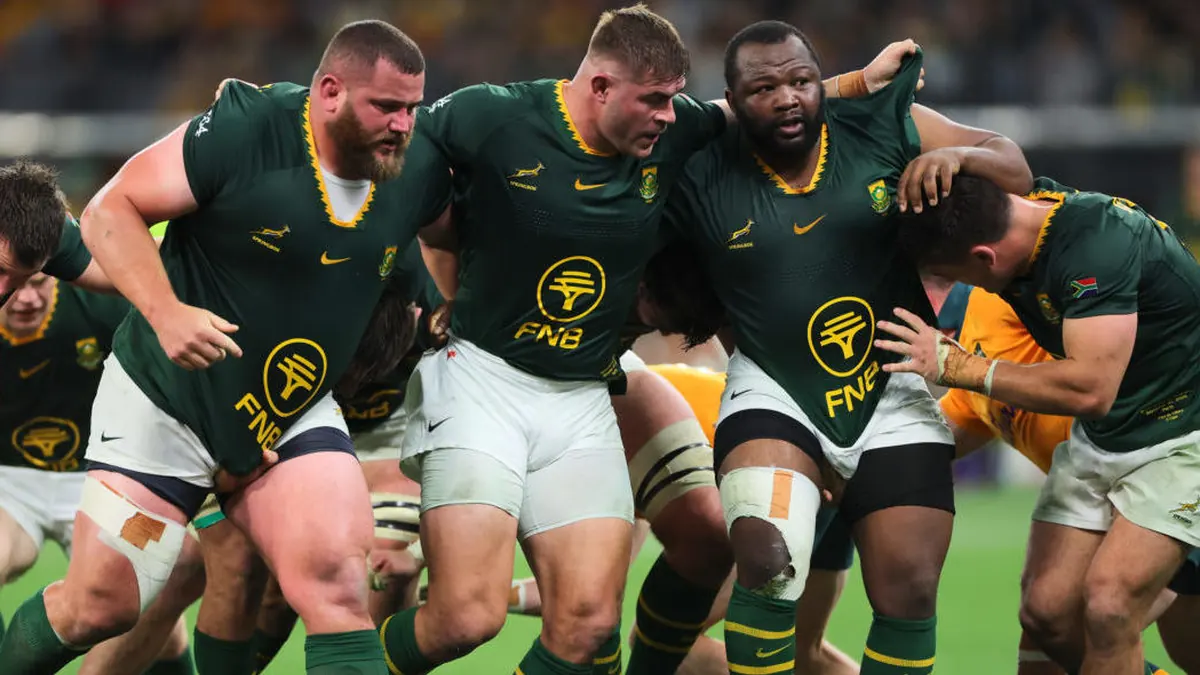
In the wake of the Springboks recent defeat in Perth, rugby analysts are scrutinizing the decisions made by head coach Rassie Erasmus, particularly regarding the selection of a significantly altered starting XV.