In the build-up to the upcoming Test matches, the Springboks relationship with the All Blacks haka has once again come under the spotlight. This week, Rassie Erasmus, the South African director of rugby, has urged Bok fans to maintain silence during the traditional Māori war dance performed by their New Zealand counterparts. This call for a respectful response has sparked a lively debate among fans and pundits alike regarding the appropriate way to engage with this iconic ritual. The haka is not merely a pre-match spectacle; it is a deeply rooted cultural expression for the Māori people of New Zealand. As one of rugbys most celebrated traditions, it serves to intimidate opponents while showcasing the pride and heritage of the All Blacks. The Springboks, who have faced the haka numerous times, often see it as a challenge, and how fans respond can add to the atmosphere of the encounter. Erasmus request for silence aims to foster an environment of respect, acknowledging the cultural significance of the haka while encouraging Bok supporters to focus their energy on supporting their team during the match itself. Historically, the Springboks encounters with the All Blacks have been characterized by fierce competition and a profound sense of rivalry. Matches between these two teams are often considered some of the most intense in international rugby, with both sides boasting rich legacies and a plethora of talented players. The anticipation surrounding these clashes creates an electric atmosphere, and how fans choose to respond to the haka can influence the emotional landscape of the game. Erasmus call for silence has drawn mixed reactions. Some fans believe that remaining quiet is a sign of respect and maturity, aligning with a growing awareness of cultural sensitivity in sports. Others argue that an active, vocal response is part of the excitement and spirit of rugby, contributing to the overall experience of the match. This division among supporters highlights the evolving nature of fan engagement in rugby, particularly in a multicultural society such as South Africa. As the Springboks prepare for their next fixture, the question of how to respond to the haka will likely remain a topic of discussion. With the Rugby World Cup on the horizon, the stakes are high, and the manner in which fans engage with the pre-match rituals could play a role in shaping the atmosphere of critical encounters. As South African rugby continues to grow in stature and global recognition, the dialogue surrounding cultural practices in sport will undoubtedly persist. In the lead-up to these high-stakes matches, it is essential for fans to reflect on their roles and responsibilities as supporters. Whether choosing silence or a more vocal approach, the focus should remain on unity and respect for both the Springboks and their opponents. The excitement surrounding the upcoming games promises to be palpable, and how fans choose to engage with the haka will contribute to the rich tapestry of South African rugby culture.
Springboks and the Haka: A Call for Respect
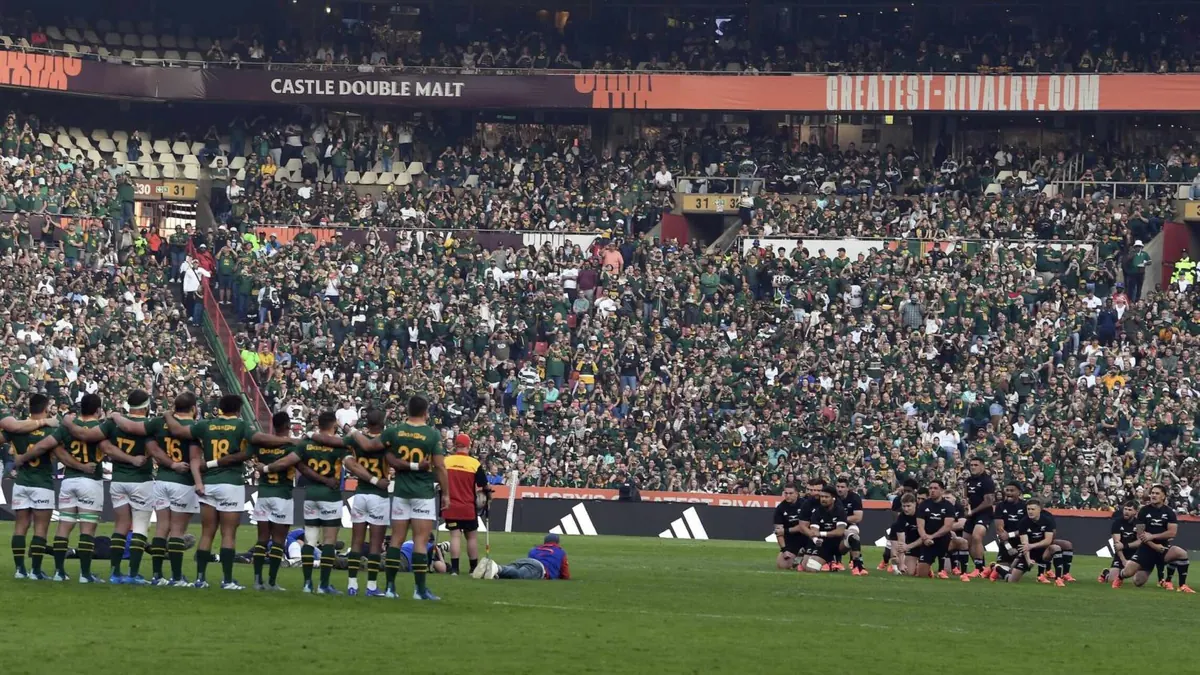
In the build-up to the upcoming Test matches, the Springboks relationship with the All Blacks haka has once again come under the spotlight.