In an intriguing revelation about the cultural fabric of South Africa, a recent study has unveiled that a significant number of South Africans share striking resemblances with the nations beloved rugby team, the Springboks. Conducted by Klipdrifts Same-Same Scanner, the study scanned 38,500 individuals across the country, identifying Neethling Fouché as the most recognisable face among the Springbok look-alikes. This fascinating insight into the nations identity comes at a time when rugby fever is at an all-time high, especially with the Springboks recent performances on the international stage. The Same-Same Scanner initiative aimed to explore the connection between South Africans and their rugby heroes, drawing attention to how the Springboks have become emblematic of national pride. The results indicate that the Springbok jersey is more than just a uniform; it represents a shared heritage and passion that resonates deeply within the diverse communities of South Africa. The findings have ignited conversations about the role of sports in unifying the nation, particularly in times of celebration and adversity. Neethling Fouchés status as the most identifiable Springbok doppelgänger highlights the unique relationship South Africans have with their rugby players. Fouchés likeness to the Springboks not only underscores the physical attributes associated with the team but also reflects the spirit and tenacity that characterize the national squad. This connection could be seen as a reflection of the broader societal values that rugby embodies, such as teamwork, resilience, and the pursuit of excellence. The timing of this report comes on the heels of a vibrant rugby season, with fans rallying behind the Springboks as they navigate challenging fixtures in international competitions. As the team gears up for key matches, the findings from the Same-Same Scanner serve as a reminder of the collective identity that the Springboks foster among their supporters. The study could also inspire local clubs and schools to embrace this sense of belonging, encouraging young players to pursue rugby not just as a sport but as a pathway to forging connections with their communities. The enthusiasm generated by the Springboks extends beyond the confines of the rugby field; it permeates into the everyday lives of South Africans. The doppelgänger phenomenon illustrates how deeply rugby is woven into the cultural tapestry of the nation. As fans don their Springbok jerseys and gather in support of their team, they are not just cheering for victory but are also celebrating a shared identity that transcends individual differences. As South Africa continues to rally behind its rugby team, the findings from this study serve as a poignant reminder of how sports can foster unity and pride among a nation. With multiple tournaments and matches lined up, the Springboks have the opportunity to continue inspiring their supporters, while the awareness of the nations look-alikes adds a layer of intrigue and excitement to the rugby narrative. The coming weeks promise to be filled with thrilling rugby action, and as the Springboks strive for greatness, the echoes of unity and shared identity will undoubtedly resonate throughout South Africa.
Springboks and South African Identity
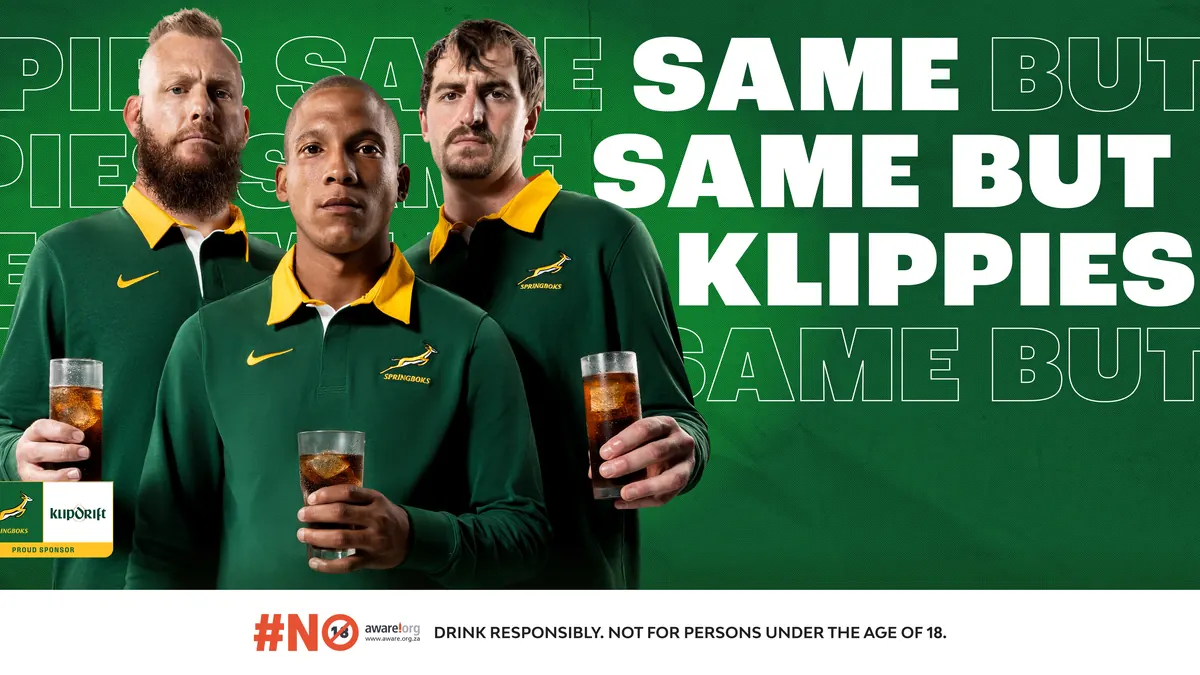
In an intriguing revelation about the cultural fabric of South Africa, a recent study has unveiled that a significant number of South Africans share striking resemblances with the nations beloved rugby team, the Springboks.