The Soweto Marathon, once a highlight on South Africas sporting calendar, has faced yet another cancellation, raising concerns about the future of this beloved event. As reported today, the marathons repeated disruptions have sparked discussions about underlying issues of greed, selfishness, and corruption that may be contributing to its demise. Historically, the Soweto Marathon has not only served as a platform for elite athletes but also as a celebration of community spirit and resilience. The race, which winds its way through the vibrant streets of Soweto, has attracted runners from across the globe, showcasing the townships rich cultural heritage. However, the cancellation of this years event leaves many to wonder whether this iconic marathon will ever be resurrected. The implications of this cancellation are significant. For many local runners, the Soweto Marathon was more than just a race; it was an opportunity for personal achievement and community pride. The event was particularly important for aspiring athletes from disadvantaged backgrounds, who saw it as a stepping stone to greater opportunities in the sport. With the marathon now on uncertain footing, these athletes may find it increasingly difficult to gain the exposure and experience they need to progress in their running careers. Moreover, the broader impact on the local economy cannot be overlooked. The Soweto Marathon historically attracted thousands of participants and spectators, leading to increased business for local vendors, hotels, and restaurants. The loss of this event means a significant hit to an already struggling economy, particularly in the wake of the COVID-19 pandemic, which has disproportionately affected small businesses in the area. Critics have pointed to mismanagement and a lack of transparency within the organizing committees as contributing factors to the marathons downfall. Allegations of corruption and financial misappropriation have surfaced, suggesting that the very entities responsible for promoting the event may have been more focused on personal gain than on fostering a healthy sporting environment. This sentiment resonates with many South Africans who have witnessed similar patterns in various sectors of society. As the sporting community reflects on the implications of this cancellation, there is a growing call for reform and accountability. If the Soweto Marathon is to return, it will require a concerted effort from stakeholders at all levels, including government, sponsors, and the running community. There is hope that lessons learned from this situation can lead to a more sustainable and transparent approach to organizing events in the future. In conclusion, while the cancellation of the Soweto Marathon is a significant loss, it also presents an opportunity for reflection and potential change. The future of road running in South Africa hinges on addressing the issues of governance and integrity within the sport. With the right measures in place, there remains a possibility for the marathon to rise from its ashes, continuing to inspire generations of runners and celebrating the spirit of Soweto.
Soweto Marathon Faces Uncertain Future
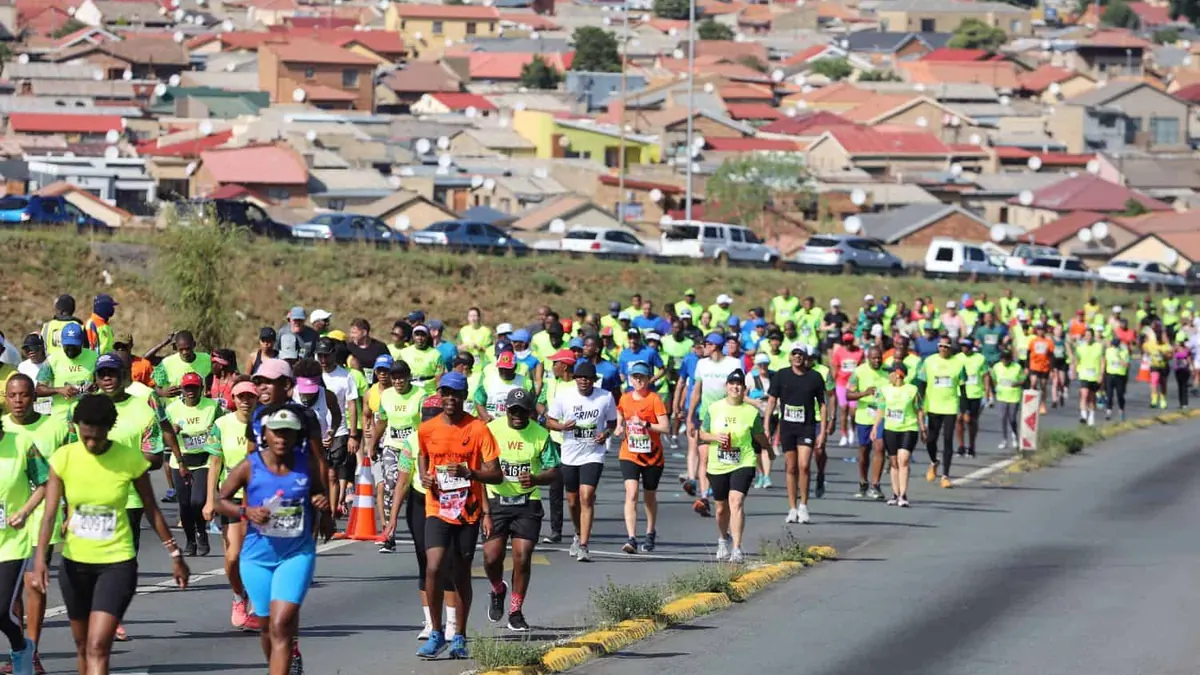
The Soweto Marathon, once a highlight on South Africas sporting calendar, has faced yet another cancellation, raising concerns about the future of this beloved event.