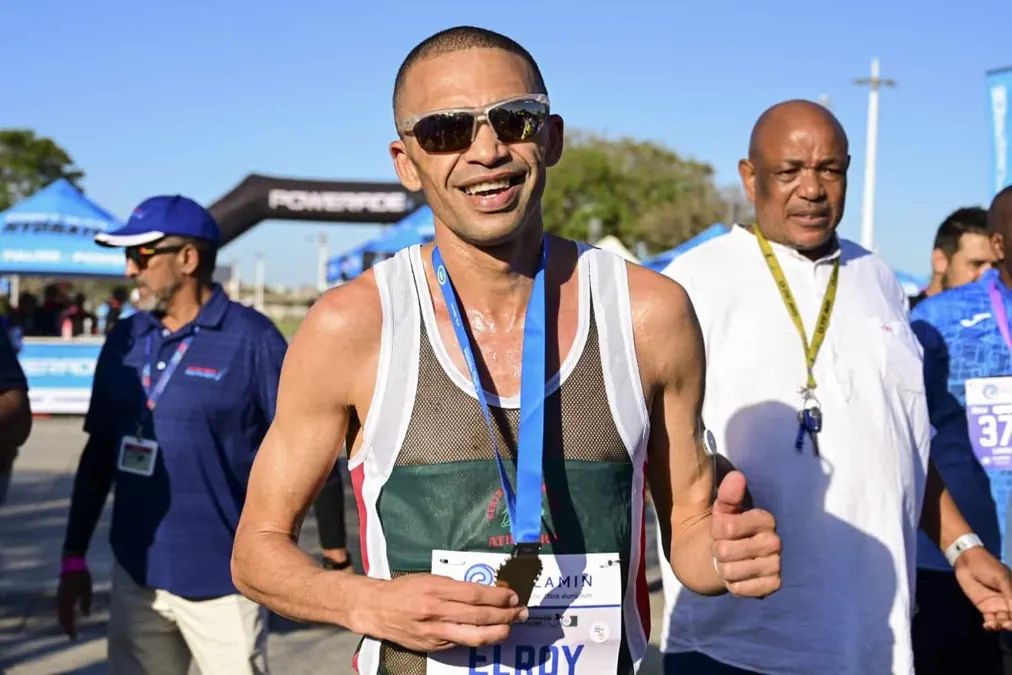
As the World Championships in Tokyo loom, South Africas long-distance running community finds itself in a state of disarray. Five of the nations six qualifiers have decided to forego the marathon races, leaving a significant gap in the representation of South African endurance sport on the global stage.
This unexpected development has stirred up a storm of speculation and criticism within the South African sports fraternity. However, it is crucial to understand the reasons behind these decisions. The World Championships, despite their prestige, fall at an awkward time in the annual athletics calendar. They are sandwiched between key international marathons, which offer lucrative prize money and the opportunity for athletes to improve their personal best times.
In contrast, the World Championships, while highly esteemed, offer little financial reward for athletes. The prestige of representing ones country at the global level is unquestionable. Still, for many athletes, the practical realities of professional sport necessitate a focus on events that offer significant financial returns. This is especially true for South African runners, who often lack the extensive sponsorship deals enjoyed by their counterparts from other countries.
Moreover, the Tokyo World Championships present a daunting challenge in terms of climate. The Japanese capital is notorious for its hot, humid conditions during the summer, which can be particularly gruelling for long-distance runners. Athletes must balance the allure of representing their country against the risk of potential injury or poor performance due to the harsh weather conditions.
Given these factors, it is understandable why South African marathon runners might choose to bypass the World Championships. While their absence is undoubtedly a disappointment for South African fans, it is crucial to remember that these athletes are professionals. They must make decisions that best serve their career longevity and financial security.
It is the responsibility of sporting authorities to ensure that athletes are not forced to choose between representing their country and securing their livelihood. Perhaps this situation will serve as a wake-up call for Athletics South Africa and other stakeholders to consider how they can better support their athletes in the future.
Looking ahead, it is hoped that the South African long-distance running community will rally and find ways to ensure that the countrys top talent can compete on the global stage without sacrificing their professional and financial wellbeing. This might involve rethinking the timing of key events, securing more sponsorships, or providing better support for athletes in terms of training and preparation. Whatever the solution, it is clear that changes are needed to ensure the continued growth and success of South African marathon running.