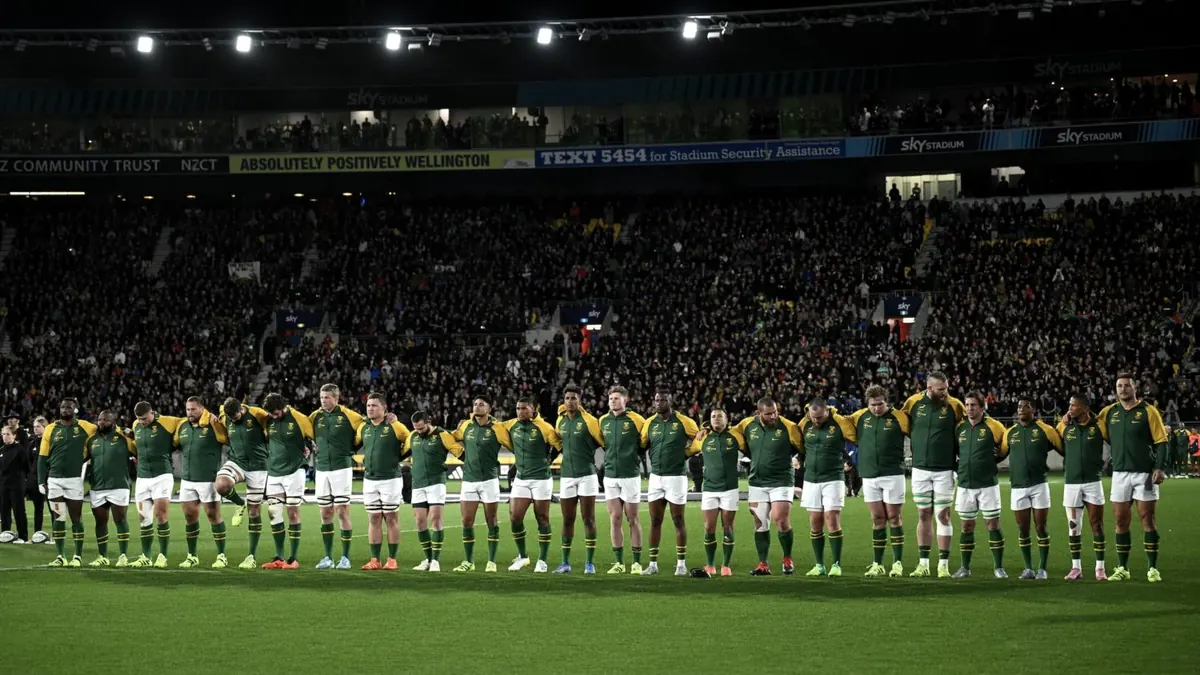
In the ever-evolving landscape of rugby, South African players and support staff have been issued a clear warning regarding their participation in the controversial R360 competition. This comes as eight leading rugby nations, including South Africa, have banded together to protect the integrity of the sport and discourage any defections to this rebel league.
The R360 competition, which has been met with significant criticism since its inception, has attracted attention for its promise of lucrative contracts and a fresh take on the game. However, the consequences of joining this league could be severe for South African players. The South African Rugby Union (SARU) has reiterated that anyone who chooses to participate in the R360 competition will be ineligible to represent the Springboks. This decision underscores the unions commitment to maintaining high standards and loyalty within the sport.
The announcement has sparked concern among players who may be tempted by the financial incentives offered by the R360 competition. Top-tier athletes, who have dedicated their careers to representing their country, now face a difficult choice. With the Springboks being a symbol of national pride and achievement, the potential loss of the opportunity to wear the green and gold jersey weighs heavily on many players. The stakes are particularly high as South Africa prepares for significant international tournaments, including the Rugby World Cup qualifiers and other prestigious fixtures.
In the context of South African rugby, the implications of participating in the R360 league extend beyond individual players. The Springboks have a storied history, and their performance on the global stage is closely intertwined with national identity. As the rugby community in South Africa rallies behind the Springboks, the potential fragmentation of talent due to the allure of the R360 competition threatens to dilute the strength of the national team.
Furthermore, the collective stance taken by the eight leading rugby nations signals a united front against the R360 competition. This coalition includes traditional rugby powerhouses, emphasizing the need for a cohesive approach to preserve the values and traditions that underpin the sport. By discouraging participation in the rebel league, these nations are not only protecting their own interests but also safeguarding the future of rugby as a whole.
As the rugby season progresses, the focus will remain on the decisions made by players and their commitment to the Springboks. The SARUs firm stance serves as a reminder of the importance of loyalty, tradition, and the sacrifices that come with representing ones country. With the Springboks legacy at stake, the coming months will be crucial in determining the direction of South African rugby and its players futures.
Looking ahead, the rugby community will be watching closely as players weigh their options. The potential consequences of joining the R360 competition will undoubtedly influence decisions, and the hope remains that South African players will continue to prioritize their national team over immediate financial gain. As the Springboks gear up for future challenges, their unity and commitment to the sport will be vital in maintaining their status as one of the worlds premier rugby nations.