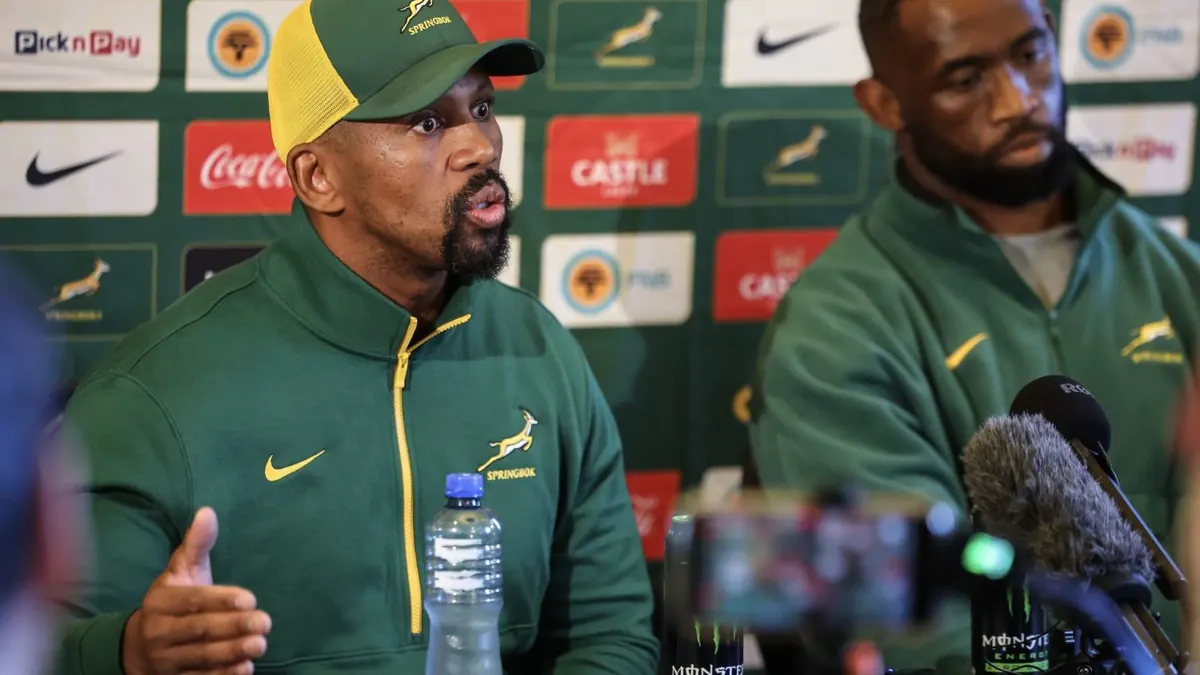
The conversation surrounding player selection and treatment within international rugby continues to ignite passionate debates, particularly in South Africa. Recently, Mzwandile Stick, a prominent figure in the Springbok coaching setup, raised eyebrows with comments regarding the treatment of players from different nations, specifically focusing on Irish flyhalf Sam Prendergast. His remarks have sparked discussions on perceived double standards in player opportunities across the rugby landscape. Sticks assertion that if Prendergast were Fijian, he would likely be back home drinking kava and taking tackling lessons highlights the disparities in how players from different countries are treated in the international arena. This commentary comes at a time when the Springboks are preparing for critical fixtures in the Nations Championship, where every match holds significant weight in terms of rankings and team morale. The backdrop of this discussion is the ongoing evolution of rugby as a sport that increasingly seeks to balance competitiveness with fairness. The Springboks, as defending champions and a powerhouse in the rugby world, have often been at the forefront of these conversations. As they navigate through their own selection processes, the implications of Sticks comments resonate deeply within the context of South African rugby, where transformation and inclusion are ongoing priorities. Prendergast, who has made a name for himself in the Irish setup, represents a new generation of players who are being given opportunities on the international stage. His rise exemplifies how nations like Ireland are investing in young talent, which contrasts with the experiences of players from nations with fewer resources. This disparity has drawn attention to the need for a more equitable approach to player development and selection across the rugby community. As the Springboks look ahead, the dynamics of international rugby are shifting. With the Nations Championship looming, the focus will be on how teams adapt to these evolving standards and expectations. The discussions initiated by Stick serve as a reminder of the work that still needs to be done in addressing inequalities in the sport, particularly as it pertains to player representation from diverse backgrounds. The coming weeks will be crucial for the Springboks as they aim to solidify their standing in the championship while also navigating the complex landscape of player selection and opportunity. As the dialogue surrounding these issues continues, it remains to be seen how the rugby community will respond and what steps will be taken to ensure a fair and inclusive environment for all players, regardless of their origin. The road ahead is filled with challenges, but it also presents opportunities for meaningful change in the rugby world.
Rugby Player Treatment Sparks Debate
The conversation surrounding player selection and treatment within international rugby continues to ignite passionate debates, particularly in South Africa.