On October 13,, cricket fans around the world witnessed a historic moment in One Day International (ODI) cricket when Rohit Sharma of India scored a staggering 264 runs against Sri Lanka at Eden Gardens in Kolkata. This remarkable achievement not only solidified Sharmas place in cricket history but also marked a significant milestone in the evolution of ODI batting, a format that has continued to captivate audiences globally, including in South Africa. In a match that showcased Sharmas extraordinary talent, the Indian opener displayed a combination of power and precision, hitting 33 fours and 9 sixes during his innings. This performance surpassed the previous record of 258 runs set by fellow Indian cricketer Sachin Tendulkar in. The significance of Sharmas innings goes beyond mere numbers; it reflects the changing dynamics of ODI cricket, where aggressive batting has become increasingly prevalent. The context of this innings is particularly relevant for South African fans, who have also produced their share of cricketing legends in the ODI format. Players such as AB de Villiers and Hashim Amla have made their mark with remarkable innings, and Sharmas record serves as a benchmark for current and future generations of cricketers. The evolution of batting strategies, especially in terms of shot selection and boundary-hitting, has been a focal point in the cricketing world, and Sharmas innings epitomizes this trend. During the match, India was batting first, and Sharmas explosive innings laid a strong foundation for the teams total. His ability to rotate the strike and find gaps in the field was complemented by his aggressive stroke play, putting immense pressure on the Sri Lankan bowlers. The innings not only thrilled the home crowd but also sent a clear message to teams worldwide about the potential for individual brilliance in ODIs. The record-breaking performance also sparked conversations about the future of ODI cricket. As teams adapt to the demands of the format, the emphasis on scoring quickly and efficiently has become paramount. South African cricket, with its rich history in the ODI format, is well-positioned to embrace this evolution. The Proteas have long been known for their attacking style of play, and Sharmas record serves as both inspiration and a challenge for South African batsmen to push their limits. As we reflect on this historic achievement, it is clear that Rohit Sharmas 264 runs are not just a statistic but a significant moment in the narrative of ODI cricket. With the advent of new talent and strategies, the future of the format looks promising, and fans eagerly await the next record-breaking performance. The cricketing world remains dynamic, and as players continue to push boundaries, South African fans can look forward to thrilling encounters in the years to come.
Rohit Sharmas Historic 264 in ODI Cricket
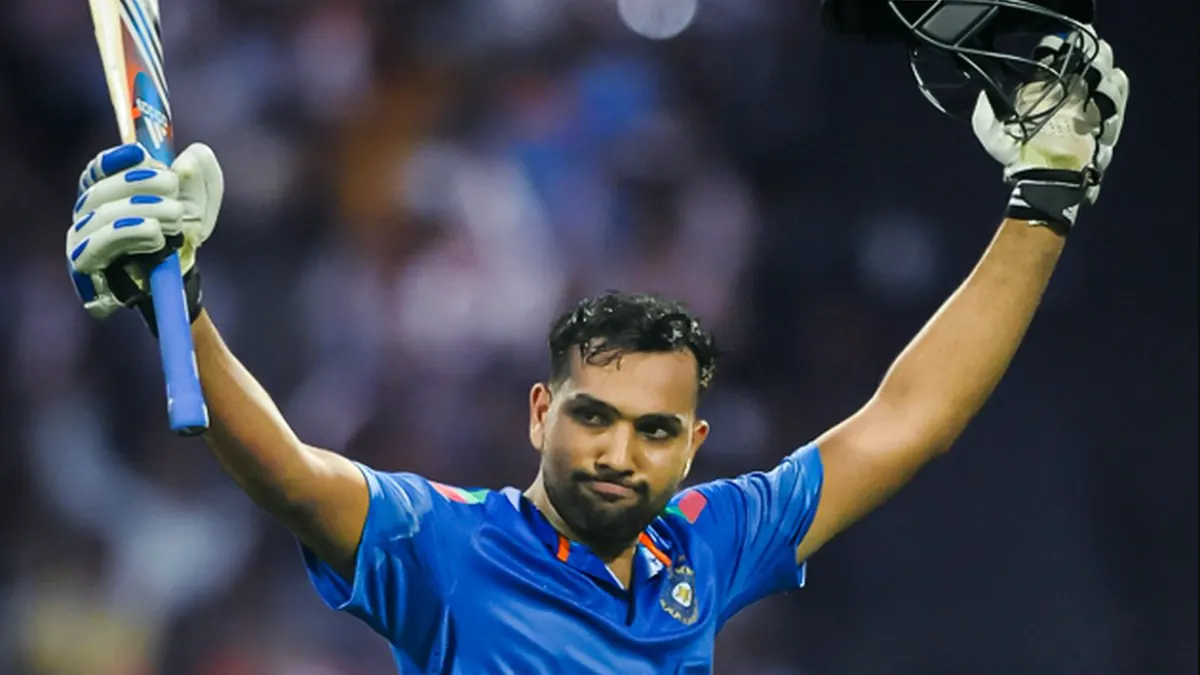
On October 13,, cricket fans around the world witnessed a historic moment in One Day International (ODI) cricket when Rohit Sharma of India scored a staggering 264 runs against Sri Lanka at Eden Gardens in Kolkata.