Robbie Koenig has become a familiar figure in the world of tennis broadcasting, effortlessly transitioning from a successful player to a respected commentator. Reported yesterday, Koenigs journey from doubles specialist to the Voice of Tennis is a remarkable tale of serendipity and determination, reflecting the evolving landscape of sports commentary in South Africa. Koenigs career on the ATP Tour was highlighted by his success in doubles, where he achieved notable rankings and partnered with some of the best players of his time. However, it was his unexpected pivot into broadcasting that truly showcased his talents. Initially, Koenig found himself in the commentary box almost by chance, but his passion for the sport and his engaging style quickly caught the attention of viewers and industry professionals alike. For South Africans, Koenigs ascent in the broadcasting realm is particularly significant. His insights and analyses resonate with a local audience that has a rich history with tennis, having produced world-class players like Kevin Anderson and more recently, Lloyd Harris. Koenigs ability to articulate the nuances of the game provides both seasoned fans and newcomers with a deeper appreciation of tennis, making matches more accessible and enjoyable., Koenig has covered major tournaments, including the Grand Slams, where his commentary has become synonymous with the excitement of the sport. His unique perspective as a former player adds depth to his analysis, allowing him to break down strategies and player dynamics in a manner that is both informative and entertaining. His work during events such as the Australian Open and the French Open has solidified his reputation as one of the leading voices in tennis commentary. As Koenig continues to make his mark in this field, the future looks bright for South African tennis broadcasting. The growing interest in the sport within the country, combined with Koenigs engaging presence, suggests a promising trajectory for tennis commentary in the region. With South African players increasingly making their presence felt on the international stage, the demand for insightful and passionate commentary is likely to grow. Looking ahead, fans can expect Koenig to remain a pivotal figure in tennis broadcasting, continuing to bridge the gap between players and audiences. His journey is a testament to the possibilities that exist beyond the court, inspiring future generations of athletes and commentators alike.
Robbie Koenig: From Player to Tennis Commentator
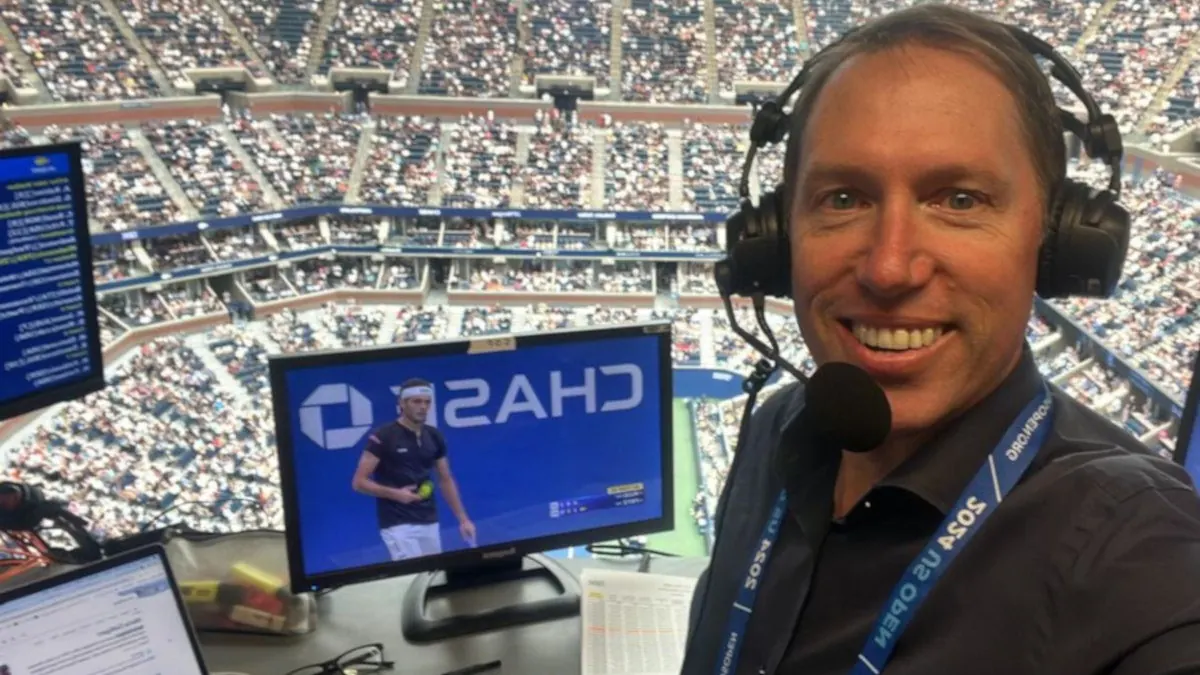
Robbie Koenig has become a familiar figure in the world of tennis broadcasting, effortlessly transitioning from a successful player to a respected commentator.