At just 29 years old, former professional rugby player Rhys Thomas has transitioned from an athlete celebrated on the field to a passionate advocate for mental health awareness. His journey took a profound turn when a heart attack abruptly ended his international rugby career, leading him to confront the challenges of identity, physical health, and mental well-being. This week, Thomass story resonates as a reminder of the importance of mental health support, particularly within the high-pressure world of professional sports. Rhys Thomas, who represented the Scarlets in the United Rugby Championship, was considered a promising talent in Welsh rugby. His sudden health crisis not only halted his playing career but also forced him to navigate the emotional toll of losing his identity as a professional athlete. The heart attack served as a wake-up call, prompting Thomas to reflect on the pressures that athletes face and the often-overlooked mental health implications that accompany such high-stakes environments. In South Africa, rugby holds a significant place in the cultural fabric, much like it does in Wales. The pressures faced by players in the United Rugby Championship and other leagues are mirrored in the Springbok setup, where the expectations from fans and management can be overwhelming. South African players, too, are not immune to mental health struggles, and Thomass story highlights the need for open discussions about mental well-being in sports. Following his recovery, Thomas has committed himself to supporting others facing similar challenges. He has become involved with initiatives aimed at raising awareness about mental health issues, particularly in the sports community. By sharing his experiences, he hopes to encourage players and fans alike to prioritise mental well-being and seek help when needed. This advocacy is crucial, as the stigma surrounding mental health in sports can often lead to silence and suffering among players who feel they must maintain a façade of strength. The conversation around mental health in rugby is gaining traction, with various organisations and clubs increasingly recognising the importance of providing support systems for their athletes. In South Africa, the Rugby Union has begun implementing mental health initiatives, understanding that the psychological resilience of players is just as vital as their physical prowess. As Thomas continues to share his story, it serves as a beacon of hope and a call to action for both current and aspiring athletes. His journey underscores the importance of mental health support in sports, encouraging a cultural shift towards openness and acceptance. As rugby evolves, the focus on holistic player welfare, including mental health, will undoubtedly become an integral part of the game. Looking ahead, the rugby community-both in South Africa and globally-must continue to engage in conversations about mental health. By doing so, they can ensure that athletes like Rhys Thomas are not only remembered for their contributions on the field but also celebrated for their resilience and commitment to supporting others off it.
Rhys Thomas: Rugby Star Advocates for Mental
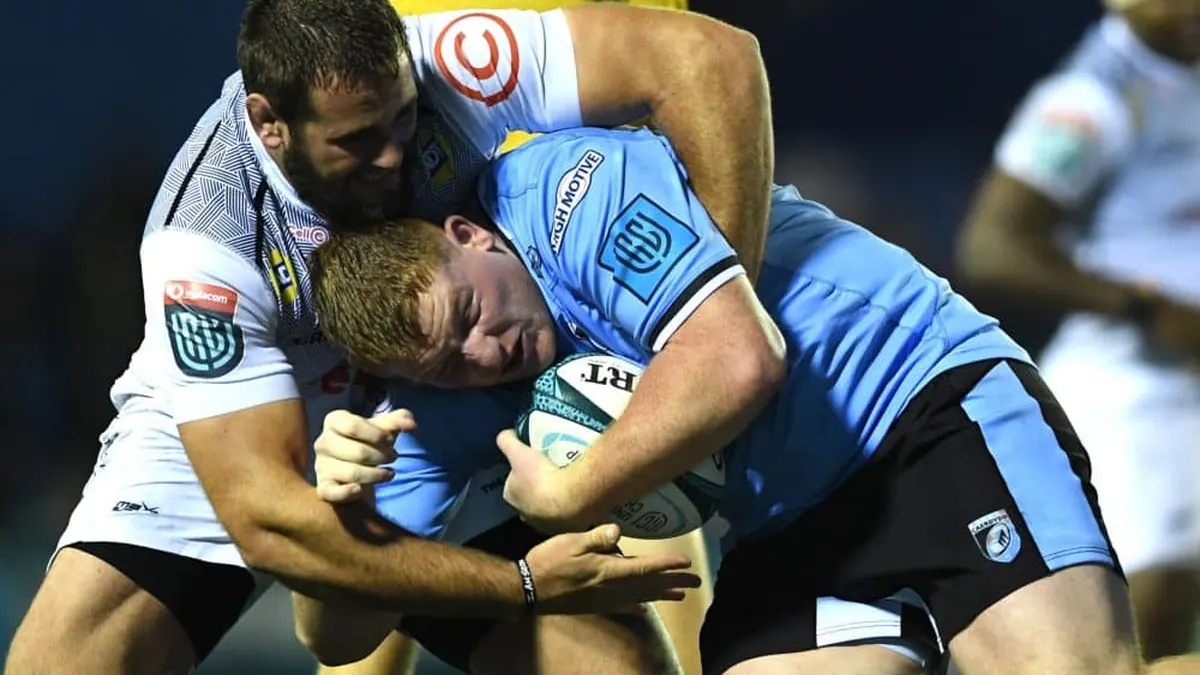
At just 29 years old, former professional rugby player Rhys Thomas has transitioned from an athlete celebrated on the field to a passionate advocate for mental health awareness.