In the world of rugby, the role of the referee is often a topic of intense discussion, especially regarding the differing officiating styles found in the northern and southern hemispheres. This week, former Irish referee Owen Doyle has raised concerns about what he describes as a refereeing virus originating from Australia and New Zealand. His comments have sparked a broader debate about the implications of these contrasting approaches, particularly for teams like the Springboks, who frequently face off against southern hemisphere rivals. Doyles critique focuses on the varying interpretations of the laws of the game, which he believes can lead to confusion and inconsistency. He argues that the southern hemisphere referees tend to adopt a more lenient approach, allowing for a free-flowing game, while their northern counterparts are often seen as stricter, emphasizing discipline and the letter of the law. This discrepancy can create challenges for teams that compete in international fixtures, where understanding the officiating style can be crucial for success. For South African teams, the implications are particularly significant. The Springboks, who have a rich history of competing against both Australian and New Zealand sides, must adapt to these differing philosophies when playing in the Rugby Championship or during World Cup tournaments. The ability to adjust their game plan based on the referees tendencies could make a considerable difference in high-stakes matches. Moreover, the upcoming international fixtures will further test this adaptability. With the Springboks looking to build on their recent performances, the focus will be on how they navigate the officiating styles they encounter. The recent Rugby World Cup has already highlighted how critical officiating decisions can be in determining the outcome of matches, making Doyles comments particularly timely. As South African rugby fans look forward to the next round of international matches, the hope is that the officiating will be consistent and fair, allowing for the best teams to showcase their skills without the shadow of controversial decisions. The rugby community, including players and coaches, will undoubtedly be watching closely to see if any changes arise from this ongoing dialogue about refereeing standards. In conclusion, as the Springboks prepare for their next challenges, the need for clarity and consistency in officiating remains paramount. Doyles observations could serve as a catalyst for discussions that ultimately lead to improvements in the way the game is officiated, ensuring that the focus stays firmly on the players and the sport itself.
Referee Styles Impacting Springboks Game
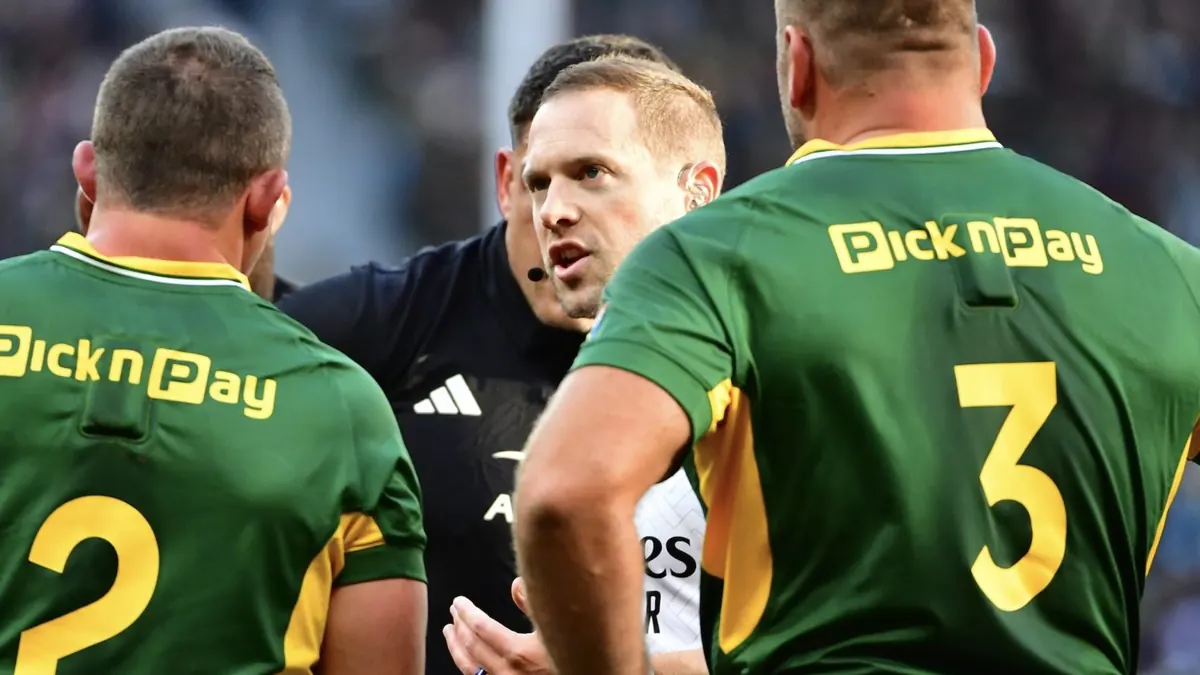
In the world of rugby, the role of the referee is often a topic of intense discussion, especially regarding the differing officiating styles found in the northern and southern hemispheres.