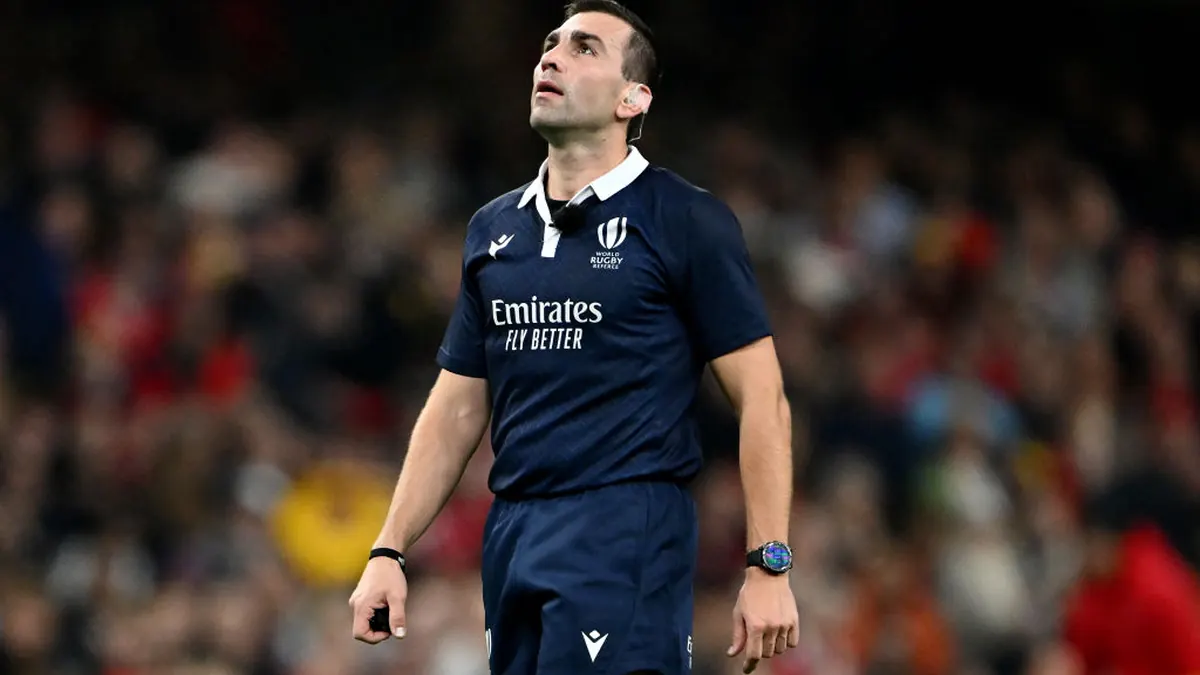
In the high-stakes world of international rugby, the role of the referee can often be as pivotal as that of the players on the field. This was exemplified in the recent clash between the Springboks and Wales, where French referee Luc Ramos found himself under the spotlight. As the Springboks secured a hard-fought victory, Ramos officiating sparked discussions about his performance and its impact on the match.
The Springboks faced Wales in a crucial encounter that had ramifications not just for the match outcome, but also for their momentum heading into upcoming fixtures. With both teams renowned for their physical play and strategic depth, Ramos decisions were closely scrutinized by fans and analysts alike. The match was not only a test of skill but also a reflection of the refereeing standards that can influence the flow and outcome of a game.
Ramos, who has officiated in various high-profile matches, was tasked with managing the intensity and pace of this encounter. His ability to maintain control amidst the physicality of the Springboks and the tactical discipline of the Welsh side was critical. Observers noted that Ramos displayed a firm yet fair approach, which is essential when handling the intricate dynamics of rugby at this level. However, as with any officiating performance, there were moments that provoked debate, particularly regarding penalty calls and interpretations of the laws.
One area that garnered attention was the handling of the breakdown. Both teams are known for their aggressive contest at the ruck, and Ramos had to make quick decisions that could either benefit the attacking side or halt their momentum. The balance he struck between allowing the game to flow and enforcing the rules was a point of contention among fans and pundits. In South Africa, where rugby is a significant part of the cultural fabric, such discussions are commonplace, reflecting the passion and investment of supporters in the game.
As the match unfolded, Ramos faced the challenge of managing player dissent, especially in a high-pressure environment where emotions run high. The reactions from players following his decisions highlighted the fine line referees must walk between authority and rapport. Ramos ability to communicate effectively with players was noted, but it also raised questions about whether he could have been more proactive in diffusing situations to maintain the matchs intensity without escalating tensions.
With the Springboks eyeing their next challenges, the focus will inevitably shift to how they adapt to different refereeing styles as they progress. Ramos performance serves as a reminder of the critical partnership between players and officials. The Springboks, under the guidance of their coaching staff, will need to assess how they respond to varying interpretations of the laws as they prepare for future opponents.
As rugby fans look ahead, the discussions surrounding refereeing performances such as Ramos continue to be a vital part of the games discourse. With the Springboks gearing up for their next encounters, the lessons learned from this match will be instrumental in refining their approach. The anticipation surrounding future clashes remains high, with players and fans alike eager to see how the unfolding narrative of the tournament develops.