Mathieu Raynal, the head of referees in France, has publicly expressed his concerns regarding the timing of World Rugbys new tackle laws. This statement comes at a crucial moment as rugby continues to evolve, particularly in the wake of increasing scrutiny over player safety. The implications of these changes could resonate throughout the rugby landscape, including in South Africa, where the sport holds significant cultural importance. Raynals criticism centers on the implementation timeline of the new tackle laws, which aim to mitigate head injuries and improve player safety. With the Rugby World Cup recently concluded, many in the rugby community are questioning whether the timing of these changes will allow referees, players, and coaches adequate time to adjust. This is particularly relevant for teams gearing up for the next international fixtures, including the Springboks, who are always keen to maintain their status as one of the top rugby nations. The tackle laws have been a contentious issue within the sport for a while now, with various stakeholders advocating for stricter regulations to protect players. Raynals comments highlight the potential chaos that could ensue as teams adapt to these new rules, particularly in high-stakes matches where the margin for error is minimal. In South Africa, where rugby is not just a sport but a way of life, the implications of such changes could impact not only the players but also the fans and the broader rugby community. As teams prepare for the upcoming international calendar, the introduction of these new laws could lead to a period of adjustment, with referees needing to enforce the rules consistently. This places added pressure on officials, who are already tasked with making split-second decisions in the heat of competition. South African rugby fans will be watching closely, as the Springboks will need to navigate these changes effectively to remain competitive on the world stage. Moreover, the response to Raynals comments from World Rugby will be pivotal. If the governing body chooses to address these concerns, it could lead to a reevaluation of how and when such laws are implemented in the future. The South African Rugby Union, known for its progressive stance on player welfare, may also weigh in on the discussion, advocating for a balanced approach that prioritizes safety without compromising the integrity of the game. Looking ahead, the rugby community will need to find common ground on these issues as they continue to evolve. The Springboks, alongside other national teams, will need to adapt swiftly to the new tackle laws while maintaining their competitive edge. With the world of rugby constantly changing, the next few months will be crucial in shaping the future of the sport, and South African fans can expect an exciting, albeit challenging, rugby season ahead.
Raynal Questions New Rugby Tackle Laws
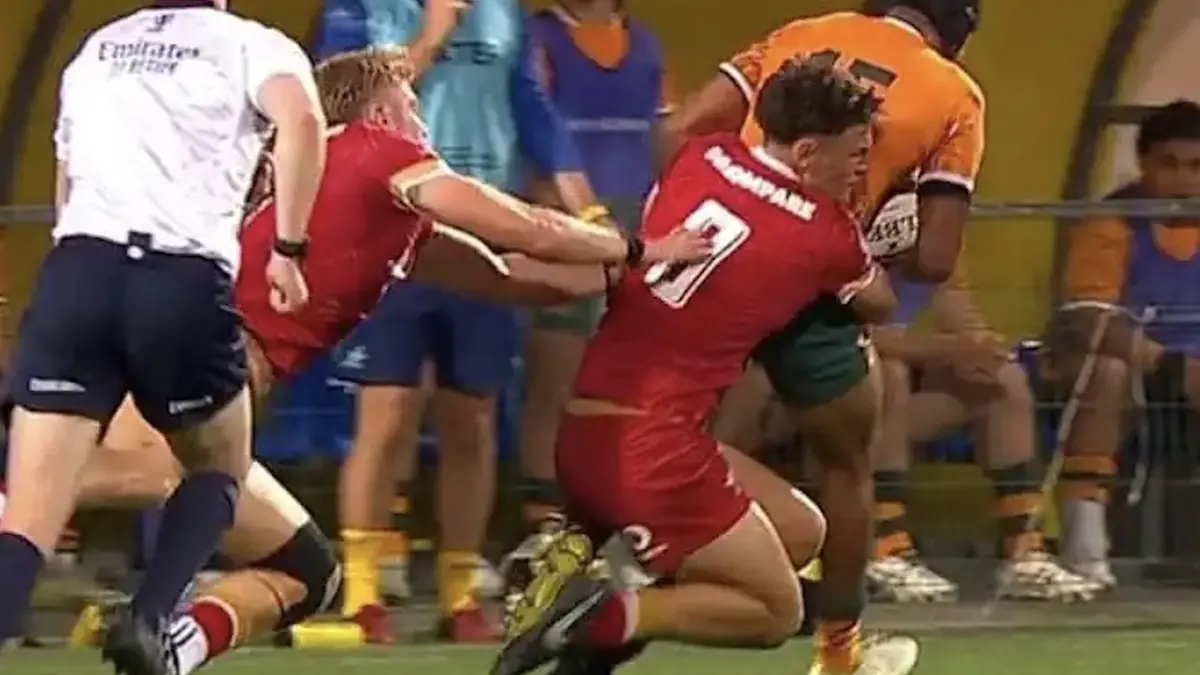
Mathieu Raynal, the head of referees in France, has publicly expressed his concerns regarding the timing of World Rugbys new tackle laws.