In a landscape where the Premier Soccer League (PSL) has been a cornerstone of South African football for three decades, concerns about the quality and flair of the matches have surfaced. This week, Innocent Chikoya, a notable figure in the football community, expressed his disappointment with the current state of play in the league, emphasizing a perceived decline in creativity and excitement on the pitch. Chikoyas remarks come at a time when the PSL is under scrutiny for its competitive edge. The league has been home to numerous talented players and unforgettable moments, but recent performances have sparked debate among fans and analysts alike. The current season has seen teams like Mamelodi Sundowns and Orlando Pirates striving for dominance, yet critics argue that the matches often lack the thrilling elements that have historically characterized South African football. One of the key issues highlighted by Chikoya is the reliance on tactical discipline over creative expression. Teams appear to prioritize defensive solidity, which, while effective in securing results, has led to a more cautious approach. This has resulted in a noticeable reduction in goal-scoring opportunities and a lack of dynamic play, which once made the PSL a spectacle for fans. The absence of flair has implications not just for the entertainment value of the matches, but also for the development of players who thrive in environments that encourage creativity. The stakes are high for clubs in the PSL, as they compete not only for league titles but also for international recognition. Clubs like Kaizer Chiefs and SuperSport United have historically been known for their attacking prowess, yet recent encounters have seen them adopt a more conservative style of play. This shift raises questions about the future of South African football, as teams navigate the balance between results and the aesthetic appeal of the game. Moreover, the youth development systems within these clubs are also critical to the leagues long-term success. Young players often look up to established stars for inspiration, but a lack of flair in the matches they watch may stifle their creativity and ambition. As South African football aims to make its mark on the continental stage, nurturing a new generation of players who can express themselves freely becomes essential. As the PSL moves forward, there is an urgent need for a collective reassessment of playing styles and philosophies. Fans and pundits alike hope that clubs will embrace a more adventurous approach, allowing for a revival of the flair that once defined the league. With the season still ongoing, there remains an opportunity for teams to reassess their strategies and rekindle the excitement that has captivated audiences for years. In conclusion, the call for a return to flair in PSL matches resonates with many stakeholders in South African football. As the league celebrates its 30th anniversary, it stands at a crossroads, with the potential to redefine its identity for the future. The coming weeks will be crucial in determining whether clubs can reignite the passion and creativity that have long been the hallmarks of the beautiful game in South Africa.
PSLs Call for Creativity and Flair
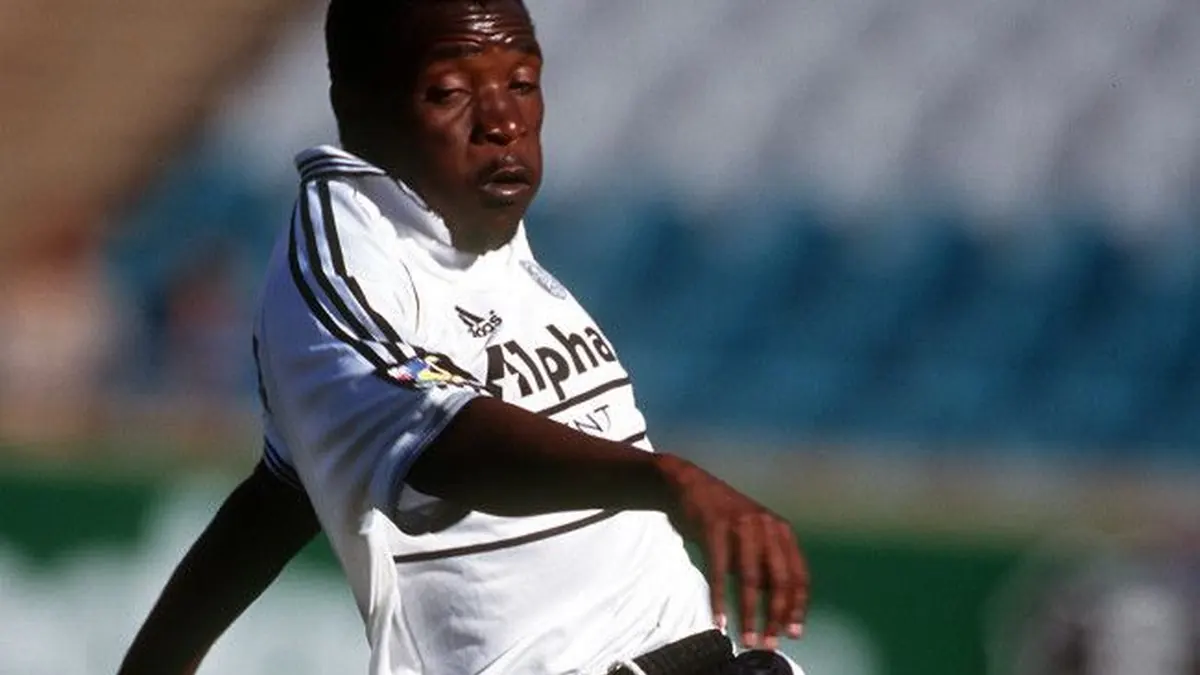
In a landscape where the Premier Soccer League (PSL) has been a cornerstone of South African football for three decades, concerns about the quality and flair of the matches have surfaced.