In the world of rugby, the role of the referee is pivotal yet often overshadowed by the players and the outcomes of the matches. A recent article by Mark Keohane, reported today, addresses the urgent need for World Rugby to bolster the protection of referees against abuse while simultaneously enhancing the transparency and accountability of their decision-making processes. This discussion comes at a critical time as South African rugby gears up for a series of high-stakes matches in the international arena. Referees are the unsung heroes of the game, tasked with maintaining order and fairness on the field. However, they frequently find themselves on the receiving end of criticism from players, coaches, and fans alike. This culture of abuse not only undermines their authority but also diminishes the integrity of the sport. In South Africa, where rugby is more than just a game but a national passion, the treatment of referees has become a pressing issue that demands immediate attention. Keohanes commentary highlights the need for a dual approach: protecting referees from verbal and physical abuse while ensuring that their decisions are clear and justifiable. The recent controversies surrounding match officiating in various competitions have sparked debates among fans and analysts, particularly regarding the consistency and accuracy of decisions made during crucial moments in matches. As South African teams prepare for their upcoming fixtures, the pressure on referees will only intensify, making it essential for them to operate in an environment that respects their authority. The Springboks, as the reigning world champions, have a significant spotlight on them as they navigate the complexities of international rugby. With their recent performances drawing both praise and scrutiny, the potential for contentious officiating decisions could have far-reaching implications for their success on the field. The stakes are high, and the need for a fair and respected officiating process is paramount to ensure that the focus remains on the players performances rather than the controversies that can arise from questionable calls. Moreover, the call for greater accountability in officiating aligns with the broader trend in sports to utilize technology for better decision-making. The introduction of systems like the TMO (Television Match Official) has already transformed how certain decisions are reviewed, but there remains a gap in how referees communicate their decisions and the rationale behind them. For South African rugby fans, a more transparent system would not only enhance the viewing experience but also foster a deeper respect for the officials tasked with overseeing the games. As the rugby landscape continues to evolve, it is crucial for all stakeholders-players, coaches, fans, and administrators-to engage in a constructive dialogue about the treatment of referees. The respect for these officials must be cultivated at all levels of the game, from grassroots to professional leagues. By addressing the challenges they face and advocating for their protection, rugby can maintain its integrity and ensure that the focus remains on the sport itself. In conclusion, the conversation initiated by Keohane serves as a timely reminder of the importance of respect within the game of rugby. As South African teams prepare for the challenges ahead, it is essential that the officiating process is upheld with dignity and transparency. Looking forward, fostering a culture that values referees will not only enhance the sport but also ensure that it remains the beloved game that unites South Africans across the country.
Protecting Rugby Referees in South Africa
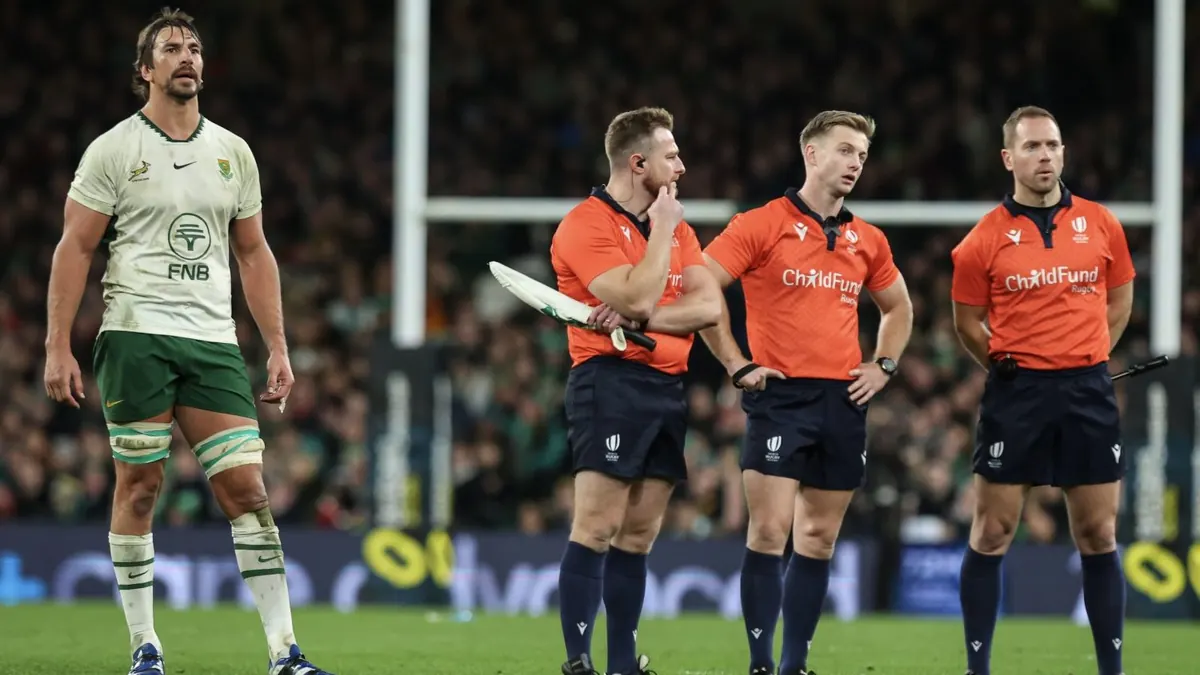
In the world of rugby, the role of the referee is pivotal yet often overshadowed by the players and the outcomes of the matches.