Nick Mallett, a well-known figure in the rugby world, has recently made headlines by revealing his decision to step away from coaching, including turning down a significant opportunity to lead the England national team. His insights shed light on the current landscape of rugby coaching and the personal motivations that influence such pivotal career choices. Mallett, who boasts an impressive coaching resume that includes a successful tenure with the Springboks and the Italian national team, has expressed his reasons for stepping back from the coaching arena. He cited a desire for a more balanced lifestyle as a primary factor, which resonates with many in the sports community who face the demanding nature of coaching at the highest levels. The pressure to perform and the relentless schedule can take a toll on personal well-being, a reality that Mallett has faced throughout his career. The decision to decline the England coaching role is particularly significant in the context of rugbys current climate. With England undergoing a transitional phase post-World Cup, the role is seen as a critical one, with high expectations for the next coach to restore the teams competitive edge. Malletts refusal to take on this challenge suggests a shift in his priorities, emphasizing the importance of mental health and personal fulfillment over professional accolades. For South African rugby fans, Malletts insights are especially relevant as the Springboks continue to navigate their own coaching dynamics. The national team has recently seen changes in coaching staff and player line-ups, and Malletts experiences serve as a reminder of the complexities involved in leading a national side. His legacy as a coach is underscored by his achievements with the Springboks, including his role during their triumphant 1995 Rugby World Cup campaign. Malletts decision to step back also opens up discussions about the future of rugby coaching in South Africa and beyond. As the sport evolves, there is a growing recognition of the need for coaches to prioritize their well-being and that of their players. The dialogue surrounding mental health in sports is gaining traction, and Malletts candidness contributes to this important conversation. Looking ahead, the rugby community will be keenly observing the developments within the England setup and how they navigate the challenges ahead. Coaches like Mallett have set a precedent by prioritizing personal well-being, which may inspire a new generation of coaches to adopt a more holistic approach to their careers. As rugby continues to grow and evolve, the lessons learned from seasoned professionals will undoubtedly shape the future of the sport on both domestic and international stages.
Nick Mallett Steps Back from Coaching: A Shift in Priorities
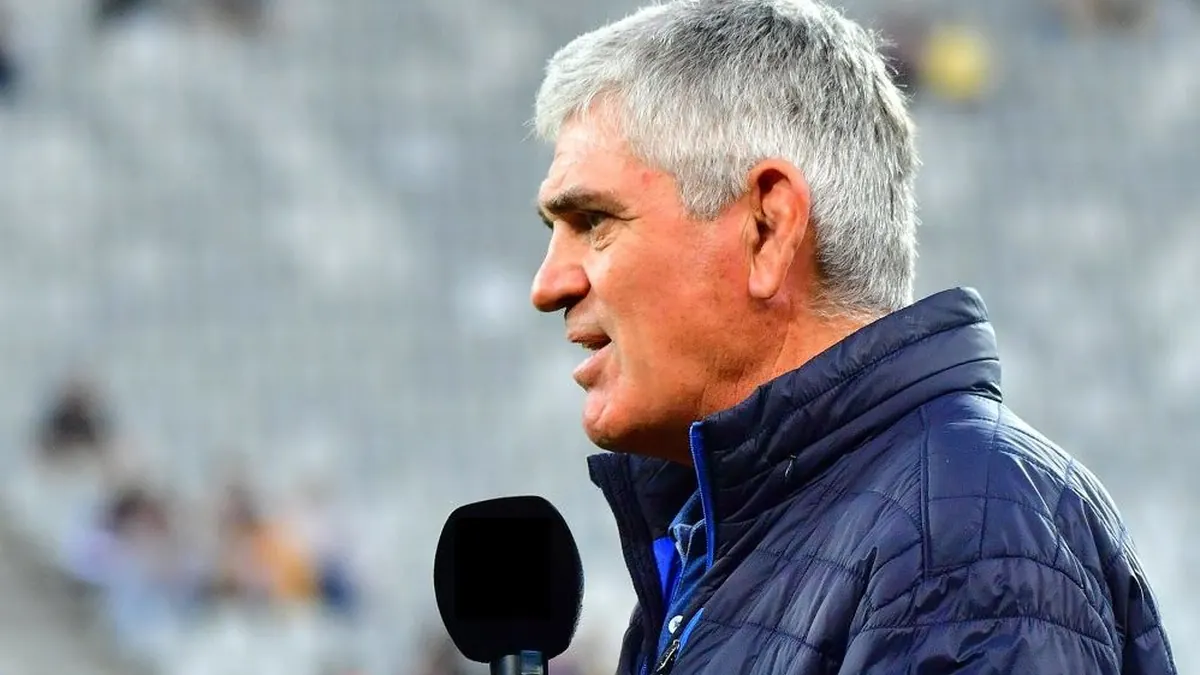
Nick Mallett, a well-known figure in the rugby world, has recently made headlines by revealing his decision to step away from coaching, including turning down a significant opportunity to lead the England national team.