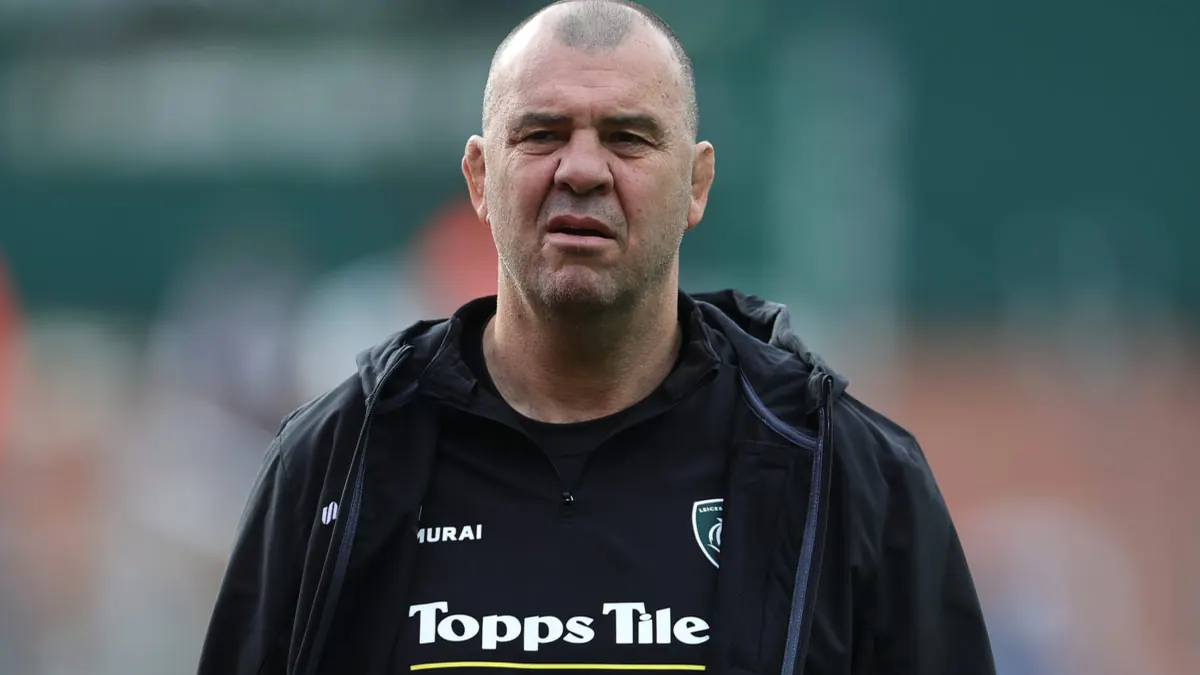
Michael Cheika, a prominent figure in the rugby world, has made headlines once again by signing with an Australian National Rugby League (NRL) club. This move marks a significant transition for the former Wallabies and Argentina coach, who has been a key player in rugby union for many years. As South African rugby fans watch closely, this development raises questions about the intersection of the two codes and the potential influence Cheika may have on the NRL landscape.
Cheika has joined the ranks of the Sydney Roosters, a club renowned for its rich history and competitive spirit within the NRL. With a legacy that includes multiple premiership titles, the Roosters are looking to continue their tradition of excellence and see Cheikas experience as a valuable asset. His background in coaching elite rugby teams, including leading the Wallabies to the 2015 Rugby World Cup final, positions him uniquely to bring a fresh perspective to the rugby league format.
The decision to move into rugby league comes at a time when the sport is experiencing significant growth in Australia. The NRL has been eagerly expanding its reach, with increased viewership and participation rates. Cheikas involvement is expected to enhance the tactical and strategic elements of the Roosters game plan, particularly as they prepare for the upcoming season. His understanding of high-stakes competition could also play a role in mentoring younger players within the club.
For South African rugby enthusiasts, Cheikas transition from union to league is noteworthy. The two codes, while sharing a common heritage, often exhibit contrasting styles of play and coaching philosophies. Cheikas ability to adapt his rugby union strategies to the fast-paced environment of rugby league could provide insights into how coaches can bridge the gap between these two forms of the sport. The implications of his work may also resonate with South African teams, which have seen a number of players cross over between the two codes in recent years.
As Cheika embarks on this new chapter with the Roosters, the rugby community will be keenly observing the impact he makes. His track record suggests that he is more than capable of rising to the challenge, and the potential for success is high. The NRLs competitive nature means that every strategy and decision will be scrutinized, and Cheikas experience could be pivotal in navigating this landscape.
Looking ahead, the upcoming NRL season will be a critical opportunity for Cheika to showcase his coaching prowess in a different arena. As he integrates into the Roosters system, fans and analysts alike will be eager to see how his strategies unfold on the field. For South African rugby supporters, this is a compelling story to follow, as it underscores the dynamic nature of rugby and the potential for crossover success between union and league.