Former Orlando Pirates and Mamelodi Sundowns captain Benson Mhlongo has made headlines with his recent assertion that footballers require more than just financial rewards to thrive in their careers. Reported yesterday, Mhlongos comments come at a critical time when the mental well-being of athletes is under increasing scrutiny, particularly within the Premier Soccer League (PSL) framework. Mhlongo, who enjoyed a successful playing career with two of South Africas most prominent football clubs, emphasized the importance of psychological support for players. He argued that while financial incentives are essential, they do not address the emotional and mental challenges footballers face. This perspective resonates deeply in a country where the pressure to perform can be overwhelming, and the stakes are high, not only for the players but also for the clubs and their loyal supporters., the conversation around mental health in sports has gained momentum globally, and South Africa is no exception. With the increasing demands placed on professional athletes, Mhlongos call for enhanced psychological support is timely. He highlighted that mental health issues can lead to a decline in performance, which could have dire consequences for teams competing in the highly competitive PSL. As clubs strive for success and glory, the focus should not only be on winning trophies but also on ensuring that players maintain a healthy state of mind. Mhlongos remarks also reflect a growing recognition of the need for clubs to invest in mental health resources. Many players, especially those transitioning from their playing careers, often struggle with identity and purpose after retirement. The absence of a structured support system can exacerbate feelings of isolation and anxiety. Mhlongos message serves as a reminder that clubs have a responsibility to nurture their players beyond the pitch, fostering an environment that prioritizes their overall well-being. The PSL, known for its passionate fanbase and thrilling matches, is at a pivotal point where it can lead the way in addressing mental health issues in South African football. As clubs gear up for the upcoming fixtures, incorporating mental health initiatives into their training regimes could set a precedent for other leagues around the continent. As the dialogue surrounding mental health in sports continues to evolve, Mhlongos insights could pave the way for enhanced support structures within South African football. By prioritizing the psychological needs of players, clubs can create a more sustainable environment that not only fosters talent but also ensures that athletes can thrive both on and off the field. The future of football in South Africa may very well depend on this holistic approach to player welfare.
Mhlongo: Mental Health Vital for Footballers
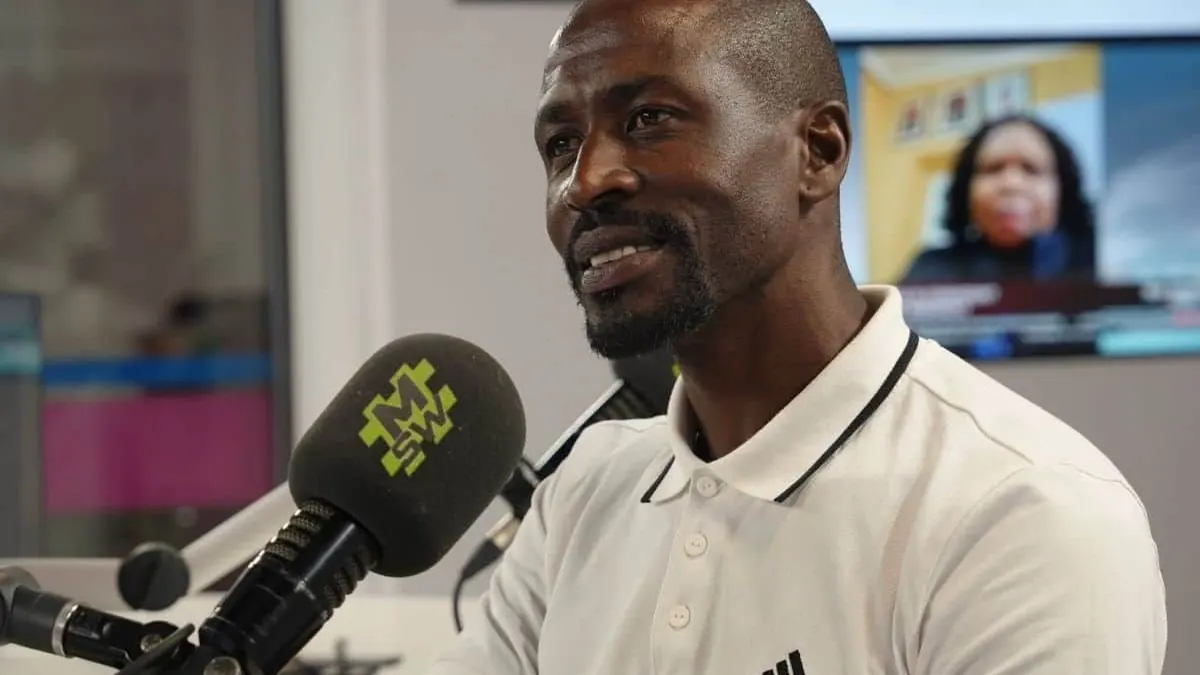
Former Orlando Pirates and Mamelodi Sundowns captain Benson Mhlongo has made headlines with his recent assertion that footballers require more than just financial rewards to thrive in their careers.