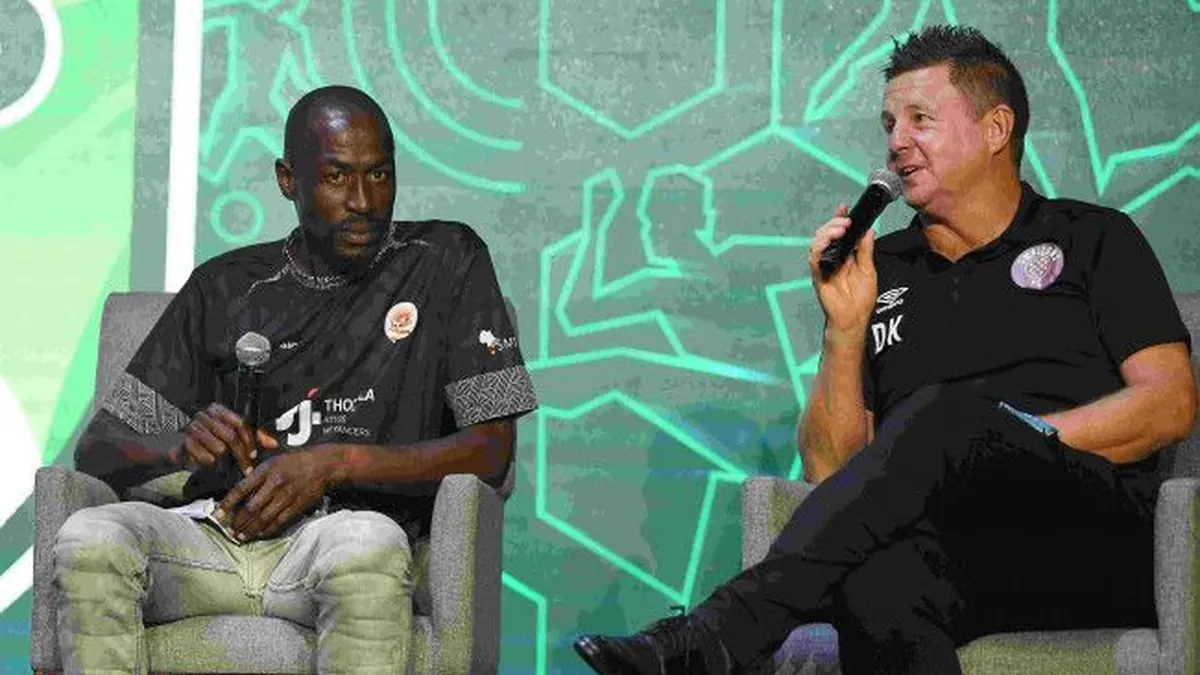
Former Bafana Bafana international Benson Mhlongo has voiced his frustration with the South African Football Association (SAFA), alleging that the governing body is hindering his progress in coaching by repeatedly rejecting his applications for a CAF B Licence. This situation raises important questions about the pathways available for former players transitioning into coaching roles within South African football. Mhlongo, who has been vocal about his aspirations to contribute to the game as a coach, claims that his applications have been met with consistent rejections without clear justification. His concerns highlight a broader issue within South African football regarding access to coaching qualifications, particularly for those who have played at the highest level. Mhlongos experience as a former player for Bafana Bafana adds weight to his claims, as he believes that his expertise and experience should be valued in the coaching realm. The former defenders frustration is compounded by the fact that many aspiring coaches in South Africa face similar obstacles. The CAF B Licence is a critical step for coaches looking to advance their careers and take on more significant roles within clubs or national teams. Mhlongos situation reflects the challenges that many former players encounter when attempting to transition into coaching positions, where opportunities can often be limited by bureaucratic processes. Mhlongos allegations come at a time when the South African football landscape is undergoing significant changes. With the national team aiming to improve its performance on the continental stage, the development of local coaching talent is more crucial than ever. Mhlongos calls for transparency in the application process may resonate with others who have faced similar hurdles, as the football community seeks to foster a more inclusive environment for coaching development. The implications of Mhlongos situation extend beyond his personal ambitions. If SAFA is indeed gatekeeping access to coaching qualifications, it could stifle the growth of local talent and hinder the development of a new generation of coaches who could bring fresh perspectives to the game. Mhlongos case serves as a reminder of the importance of supporting former players in their transition to coaching roles, as their unique insights and experiences can greatly benefit the sport. As South African football looks to build a more competitive future, it is essential for SAFA to address these concerns and create a pathway that encourages the development of local coaching talent. Mhlongos story sheds light on the need for reform in the coaching qualification process and highlights the significance of supporting those who have dedicated their lives to the sport. Looking ahead, it will be interesting to see if SAFA takes steps to rectify these issues and enable former players like Mhlongo to contribute to the game in meaningful ways.
Mhlongo Critiques SAFAs Coaching Barriers
Former Bafana Bafana international Benson Mhlongo has voiced his frustration with the South African Football Association (SAFA), alleging that the governing body is hindering his progress in coaching by repeatedly rejecting his applications for a CAF B