In a significant development for South African swimming, Sports Minister Gayton McKenzie has publicly apologised to swimmer Tatjana Smith following her decision to represent the Netherlands in her swimming career. The controversy has sparked a wider discussion about the governance of Swimming South Africa, with McKenzie calling for a full investigation into the federation. Tatjana Smith, a talented swimmer who has made a name for herself on both local and international stages, recently announced her intention to compete under the Dutch flag. This decision has drawn attention to the state of swimming administration in South Africa, raising questions about the support and resources available to athletes. Smiths move is seen by many as a reflection of frustrations with the current system, prompting McKenzie to take action. In his statement, McKenzie expressed regret for the circumstances that led to Smiths choice, highlighting the need for Swimming South Africa to address the concerns of its athletes. The ministers apology marks a rare intervention from government officials in the affairs of a sports federation, indicating the seriousness of the situation. McKenzies call for an investigation aims to uncover the factors contributing to Smiths departure and to ensure that no other athletes feel compelled to leave their home country for better opportunities abroad. The timing of this issue is particularly critical as South African swimming prepares for upcoming international competitions. The loss of a swimmer of Smiths calibre could impact the countrys performance on the global stage, especially as athletes gear up for events where national pride and representation are at stake. The investigation could lead to significant changes within Swimming South Africa, potentially affecting how athletes are nurtured and supported moving forward. The outcry surrounding Smiths decision is not an isolated incident; it resonates with a larger narrative regarding athlete welfare in South Africa. This situation has prompted discussions about how sports federations manage talent and provide adequate support to their athletes. It serves as a reminder of the challenges faced by many South African sportspeople, who often have to navigate bureaucratic hurdles in pursuit of their dreams. As the investigation unfolds, stakeholders within the swimming community will be watching closely to see how Swimming South Africa responds. McKenzies involvement suggests that there may be a push for reform, with a focus on improving conditions for athletes to ensure they can thrive at home. The outcome of this situation could set a precedent for how sports governance is approached in South Africa, impacting not just swimming but potentially other sports as well. Looking ahead, the swimming community in South Africa will be keen to see constructive changes that prioritise the needs of athletes. With the right support and resources, it is hoped that talented swimmers like Tatjana Smith can continue to represent their country with pride, without feeling the need to seek opportunities elsewhere.
McKenzie Apologizes to Swimmer Tatjana Smith
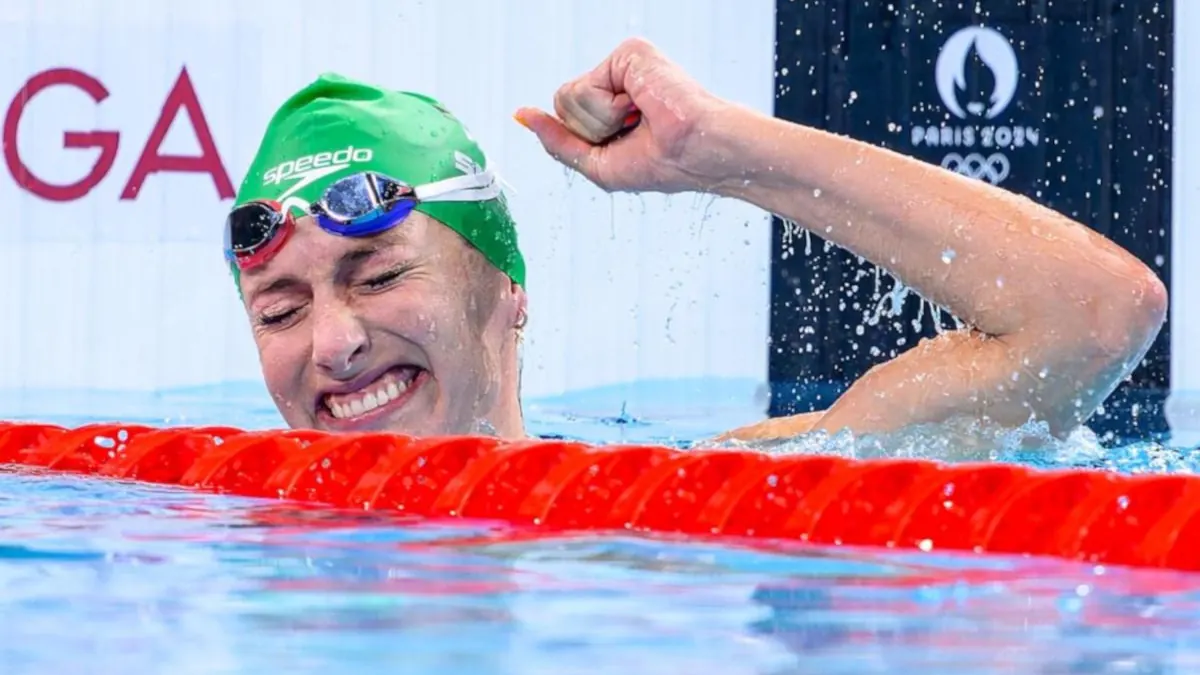
In a significant development for South African swimming, Sports Minister Gayton McKenzie has publicly apologised to swimmer Tatjana Smith following her decision to represent the Netherlands in her swimming career.