In a recent address, SA Rugby president Mark Alexander highlighted a pressing issue facing the sport globally: the urgent need for a unified global rugby calendar. His comments come at a time when the rugby landscape is becoming increasingly fragmented, with the potential for players to be lured away by breakaway competitions that threaten the integrity and sustainability of traditional formats. Alexanders warning is particularly significant for South African rugby, which has a rich history and a passionate fan base. The Springboks, as the national team is known, have consistently been a powerhouse on the world stage, but the current lack of coordination among rugby unions could jeopardize this legacy. If players are tempted by alternative competitions offering lucrative contracts, the depth of talent in the Springbok squad could be severely impacted. The crux of Alexanders argument centers on the need for a global calendar that accommodates all major tournaments, including the Rugby World Cup, international test matches, and domestic leagues. Without such a framework, the risk of scheduling conflicts increases, leading to player burnout and diminished competition quality. The ongoing discussions among World Rugby, the Six Nations, and SANZAAR must converge towards a common goal to secure the sports future. South African rugby fans are acutely aware of the implications of a fragmented calendar. The Springboks have enjoyed considerable success, including their triumph at the Rugby World Cup. However, as the sport evolves, so too do the challenges it faces. With the rise of private leagues and franchises, the potential for top players to pursue alternate avenues for financial gain could erode the competitive balance within the international game. Moreover, players like Handré Pollard and Cheslin Kolbe have already made headlines by moving to overseas clubs, raising questions about their availability for national selection. If the trend continues, it could lead to a scenario where the Springboks are unable to field their best team, ultimately diminishing the excitement and prestige of international fixtures. The situation is further complicated by the increasing commercialisation of rugby. As clubs and leagues strive to attract top talent, the allure of higher wages in breakaway competitions becomes more pronounced. Alexanders call for a global calendar is not just about scheduling; it is about preserving the essence of rugby as a sport that values tradition and competition over profit. In light of these challenges, the rugby community must rally together to find solutions. A cohesive approach to scheduling could not only protect the interests of players and unions but also enhance the overall experience for fans. As discussions continue, it is imperative that all stakeholders remain committed to the long-term health of the game. The road ahead for rugby is fraught with challenges, but with a concerted effort towards establishing a global calendar, there is hope for a unified future. As the sport navigates these turbulent waters, the collaboration between unions, players, and governing bodies will be pivotal in ensuring that rugby not only survives but thrives in the years to come.
Mark Alexander Calls for Unified Global Rugby Calendar
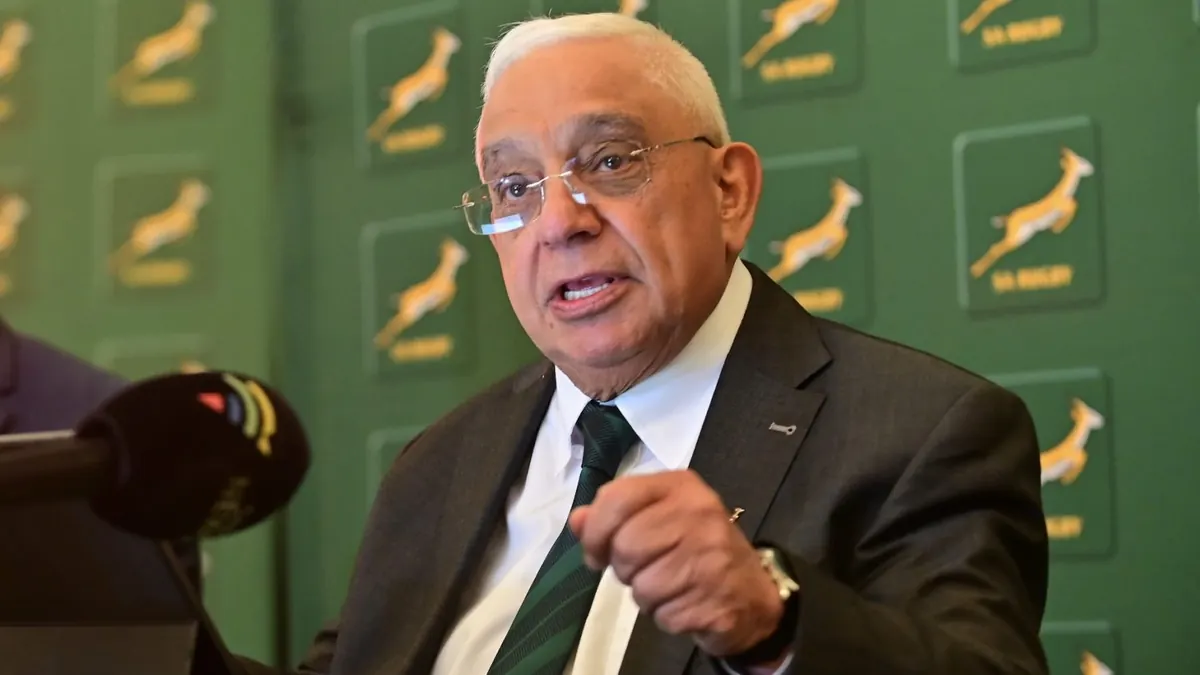
In a recent address, SA Rugby president Mark Alexander highlighted a pressing issue facing the sport globally: the urgent need for a unified global rugby calendar.