LIV Golf, the controversial professional golf tour that aimed to shake up the traditional landscape of the sport, has officially shut down after five years of operation. Reported yesterday, this closure marks the end of a venture that attracted some of golfs biggest stars but ultimately struggled to maintain its momentum and secure a sustainable future. Launched with the ambition of rivaling established tours such as the PGA Tour, LIV Golf garnered significant attention for its lavish prize purses and high-profile signings. Players like Phil Mickelson, Brooks Koepka, and Cameron Smith were lured by the promise of substantial financial incentives, sparking debates over the implications of such a lucrative platform on the sports integrity. However, despite its initial allure, the tour faced ongoing challenges, including criticism over its funding sources and the long-term viability of its business model. The recent announcement of LIV Golfs closure comes amid reports that several key players declined to sign on for a relaunch under the proposed LIV 2.0 format. This reflects a broader sentiment within the golfing community, where many players are reassessing their commitments and the potential benefits of participating in an alternative tour. The fallout from this decision could have significant implications for the careers of players who had initially switched to LIV, as they may now need to reintegrate into the more traditional tours. For South African golf fans, the end of LIV Golf may resonate particularly strongly due to the involvement of local talents such as Louis Oosthuizen and Branden Grace, both of whom had made headlines during their time with the tour. Oosthuizen, a former Open Champion, and Grace, known for his stellar performances on the European Tour, were among the players who attracted attention to LIV Golf. Their participation not only elevated the profile of the tour but also highlighted the potential for South African players to thrive on an international stage. Moreover, the closure of LIV Golf raises questions about the future of golf in South Africa and the broader implications for emerging players. As the traditional tours regain their footing, young South African golfers may find renewed opportunities to showcase their skills, potentially leading to a resurgence in local talent on the global circuit. The focus may shift back to established tournaments, providing a platform for players to earn their stripes and gain valuable experience. Looking ahead, the dissolution of LIV Golf could signal a turning point for the sport, encouraging a return to traditional values and competitive integrity. As the golfing landscape continues to evolve, South African players and fans alike will be watching closely to see how the dynamics shift in the coming months and years. With the potential for new partnerships and initiatives to emerge, the future of golf remains an open field, ripe with possibilities for growth and development.
LIV Golf Closes After Five Years
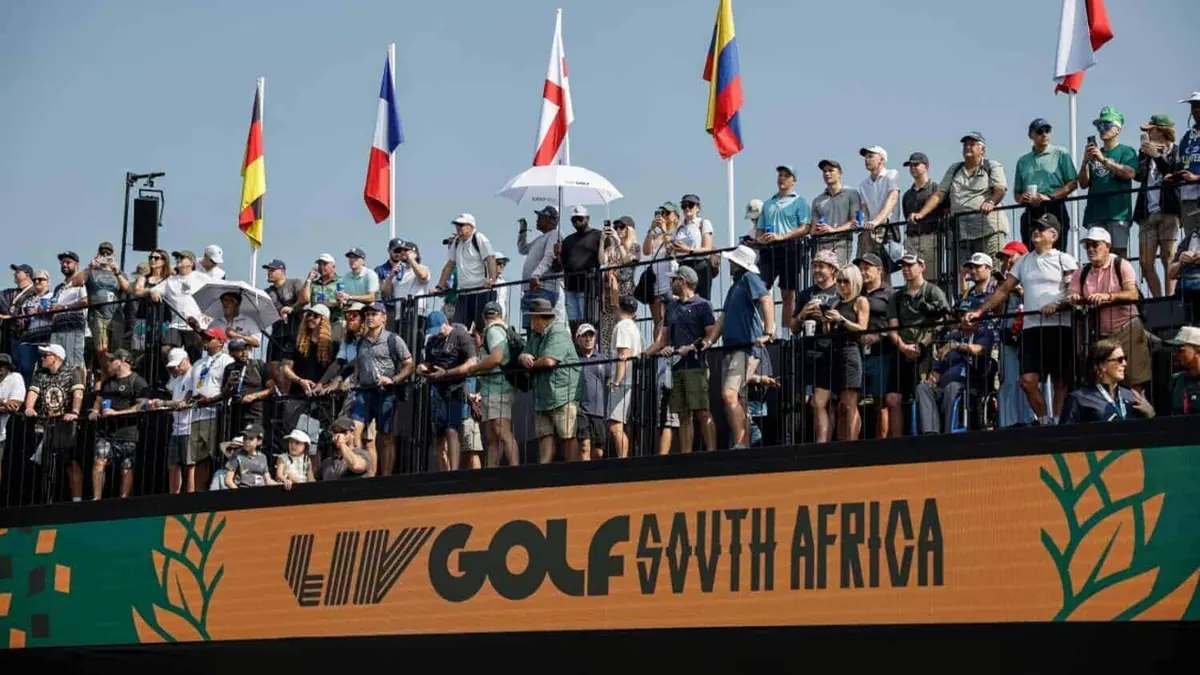
LIV Golf, the controversial professional golf tour that aimed to shake up the traditional landscape of the sport, has officially shut down after five years of operation.