In the ever-evolving landscape of professional rugby, the debate surrounding playing surfaces has garnered significant attention. Sharks lock Stephan Lewies has recently weighed in on this topic, expressing a clear preference for traditional grass pitches over the increasingly popular 4G artificial surfaces. His comments, reported today, come at a time when the United Rugby Championship continues to showcase the best of South African rugby talent. Lewies, a seasoned player with experience in both domestic and international competitions, has highlighted the discomfort many players feel when competing on synthetic pitches. He argues that natural grass not only provides a more familiar playing environment but also reduces the risk of injuries that can be exacerbated by harder surfaces. This sentiment resonates with many players who have voiced similar concerns about the impact of artificial turf on their performance and well-being. The Sharks, one of South Africas premier rugby franchises, are set to face a series of challenging fixtures in the United Rugby Championship. As they prepare for these matches, the playing conditions become increasingly critical. Lewies remarks underscore the importance of ensuring that players can perform at their best without the added worry of an unsuitable playing surface. The Sharks will be looking to maintain their competitive edge, and the choice of pitch could play a pivotal role in their upcoming games. The debate over 4G pitches is not limited to the Sharks or even South African rugby. Across the globe, teams in various leagues are grappling with the pros and cons of artificial turf. While it is often lauded for its durability and lower maintenance costs, many players argue that it compromises the integrity of the game. Lewies comments reflect a broader concern within the rugby community about the long-term implications of prioritizing cost and convenience over player safety and comfort. As the United Rugby Championship progresses, the Sharks, along with their rivals, will continue to navigate the complexities of modern rugby. The feedback from players like Lewies may prompt clubs and governing bodies to reconsider their approach to playing surfaces, particularly as they seek to enhance player welfare while still delivering exciting, high-quality matches. Looking ahead, the ongoing dialogue about pitch quality will be crucial for the future of rugby in South Africa. With the sports popularity on the rise, ensuring that players have the best possible environment to showcase their skills will be vital for the continued growth of the game. As the Sharks gear up for their next matches, the hope is that they will do so on a surface that aligns with the players preferences, allowing them to perform at their peak.
Lewies Prefers Grass Pitches for Rugby
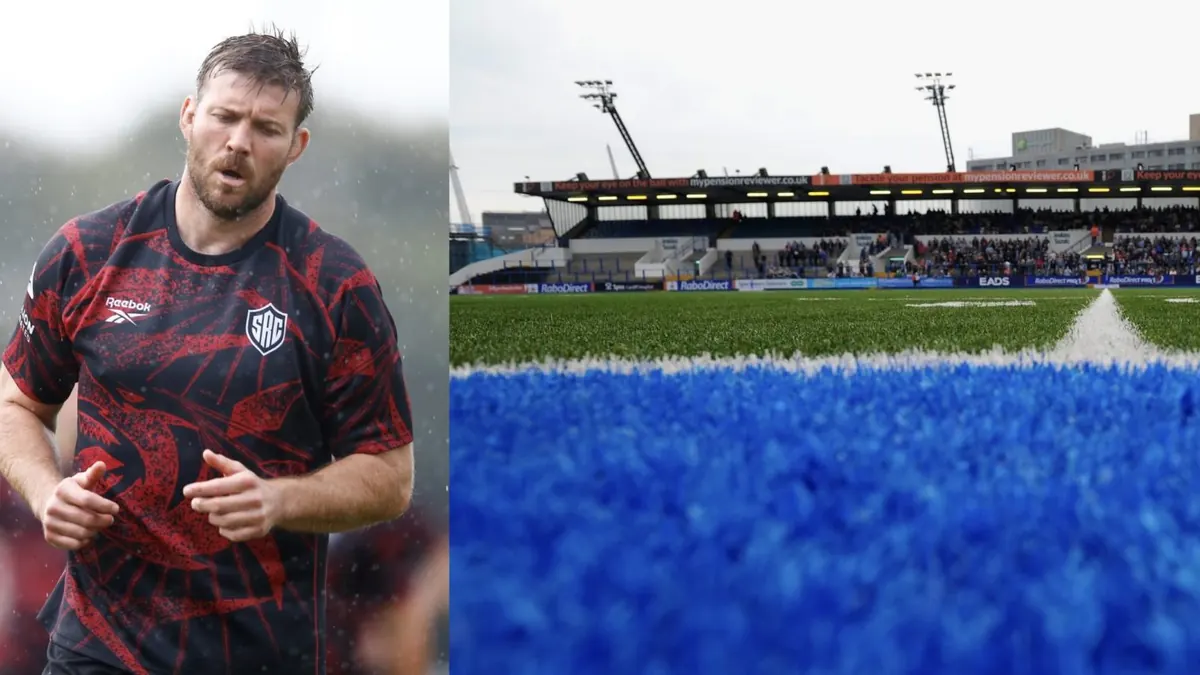
In the ever-evolving landscape of professional rugby, the debate surrounding playing surfaces has garnered significant attention.