Kondo Simfukwe is making waves in the world of sports, particularly in tennis, where he has become a key figure in helping elite athletes manage the pressure of high-stakes competition. As reported yesterday, Simfukwes unique approach to athlete support is earning him recognition on some of the biggest stages in the sporting world. Simfukwes journey began in South Africa, where he developed a passion for sports and a keen understanding of the mental challenges athletes face. His work focuses on providing psychological support, ensuring that players feel comfortable and confident when they step onto the court. This is especially crucial during major tournaments, where the weight of expectation can be overwhelming. By fostering a sense of calm, he allows athletes to concentrate on their performance rather than the surrounding pressures. He has worked with numerous players on the ATP and WTA tours, helping them navigate the intense atmosphere of Grand Slam events. For instance, during the recent US Open, Simfukwe was instrumental in supporting players as they faced not only tough opponents but also the relentless scrutiny of the media and fans. His strategies include mindfulness techniques and personalized motivational sessions, tailored to the individual needs of each athlete. In South Africa, where tennis is steadily growing in popularity, Simfukwes influence is particularly significant. The country has produced several talented players, and as they aim for international success, the support of professionals like Simfukwe becomes increasingly important. His work highlights the necessity of mental health resources in sports, an area that has often been overlooked in favor of physical training. Simfukwes reputation is also spreading beyond tennis. He has started collaborating with athletes from various sports, recognizing that the principles of mental well-being can be applied universally. His holistic approach is reshaping how athletes prepare for competition, emphasizing the importance of mental resilience alongside physical training. As the sporting world continues to evolve, the role of professionals like Kondo Simfukwe becomes ever more critical. His commitment to bringing humanity into the competitive arena serves as a reminder that behind every elite performance, there is a complex interplay of mental strength and emotional support. Looking ahead, it will be interesting to see how Simfukwes methods influence the next generation of South African athletes as they strive for excellence on the world stage. His work not only benefits individual players but also contributes to a broader cultural shift towards prioritizing mental health in sports.
Kondo Simfukwe: Championing Mental Health in
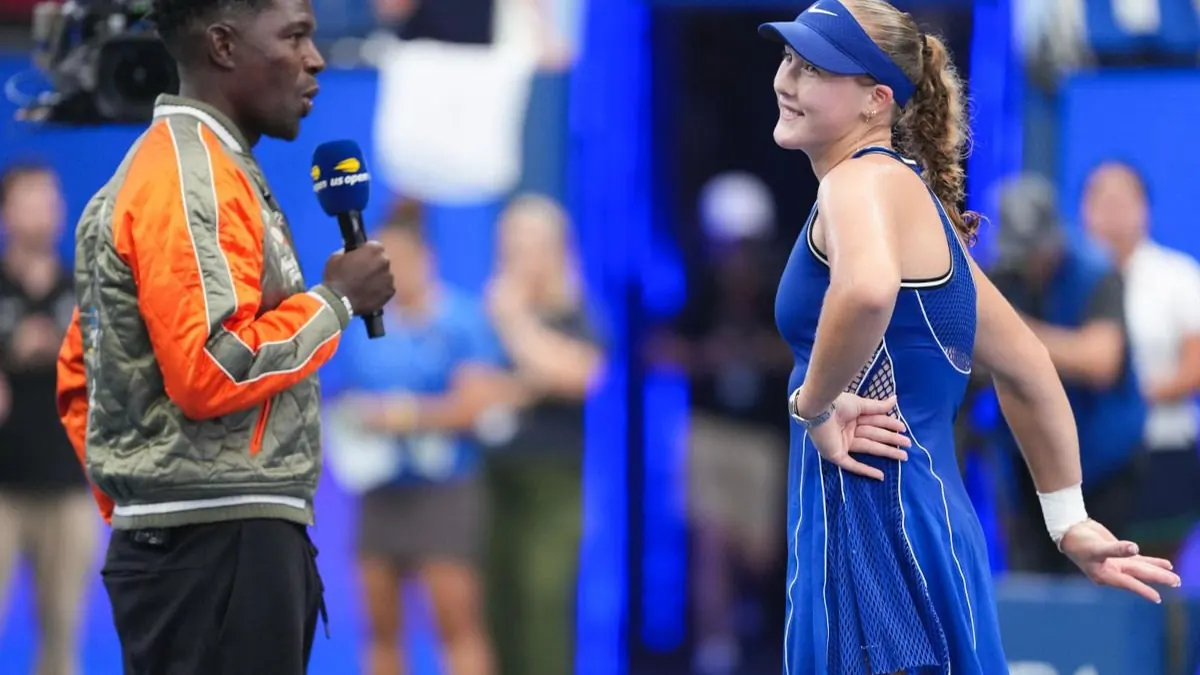
Kondo Simfukwe is making waves in the world of sports, particularly in tennis, where he has become a key figure in helping elite athletes manage the pressure of high-stakes competition.