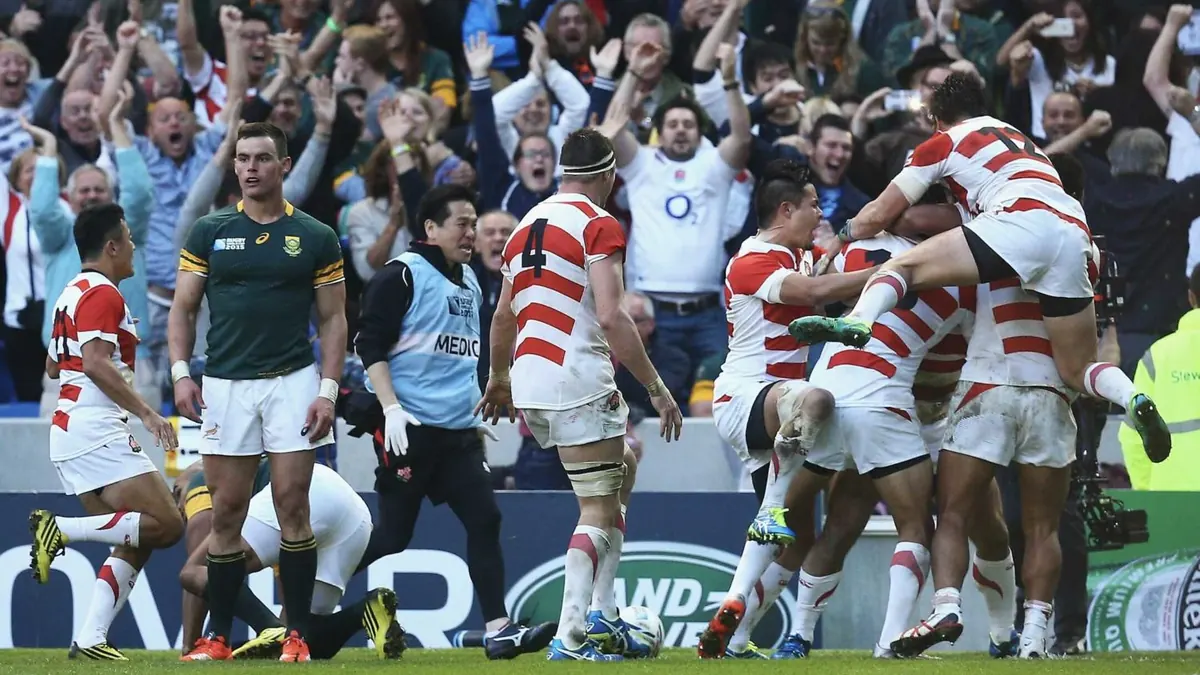
On 19 September 2015, the rugby world was left in disbelief as Japan pulled off one of the most remarkable upsets in the history of the Rugby World Cup by defeating the Springboks in Brighton. This match not only marked a significant moment for Japanese rugby but also sent shockwaves through the South African camp, highlighting the unpredictable nature of the sport.
The Springboks, boasting a rich rugby heritage and a formidable squad, entered the tournament as one of the favorites. With a history of success, including lifting the Webb Ellis Cup three times, expectations were high for the South Africans. The team was led by coach Heyneke Meyer and featured a blend of experienced players and emerging talent. Key figures included veteran lock Victor Matfield and dynamic wing Bryan Habana, both of whom were pivotal in South Africas previous World Cup triumphs.
In stark contrast, Japan was considered an underdog, having never advanced past the pool stage in previous World Cups. Coached by Eddie Jones, the Brave Blossoms were determined to make a statement on the global stage. The team had shown promise in the lead-up to the tournament, but few could have predicted the scale of their achievement in this encounter.
The match itself was a gripping contest, showcasing the resilience and tactical acumen of the Japanese team. They executed their game plan to perfection, employing a fast-paced style of play that caught the Springboks off guard. Japans ability to maintain possession and make decisive breaks was pivotal, as they capitalized on South Africas mistakes. The Springboks, despite their experience and physicality, struggled to adapt to the relentless attacking pressure applied by their opponents.
As the match progressed, the tension mounted. South Africas inability to score consistently allowed Japan to build confidence. The Brave Blossoms historic victory was sealed with a late try, which not only secured their place in rugby folklore but also served as a wake-up call for the Springboks, prompting questions about their preparation and approach to the tournament.
This match remains a significant chapter in the annals of rugby, particularly for South African fans who witnessed their team suffer one of the most stunning defeats in World Cup history. The loss was a stark reminder of the ever-evolving nature of international rugby, where even the most established teams can falter against emerging nations.
As South Africa looks ahead to future tournaments, the lessons learned from this match continue to resonate within the rugby community. The importance of adaptability, strategic planning, and respect for all opponents has never been more evident. With the next Rugby World Cup on the horizon, the Springboks will undoubtedly be keen to reclaim their status among the elite and ensure that history does not repeat itself.