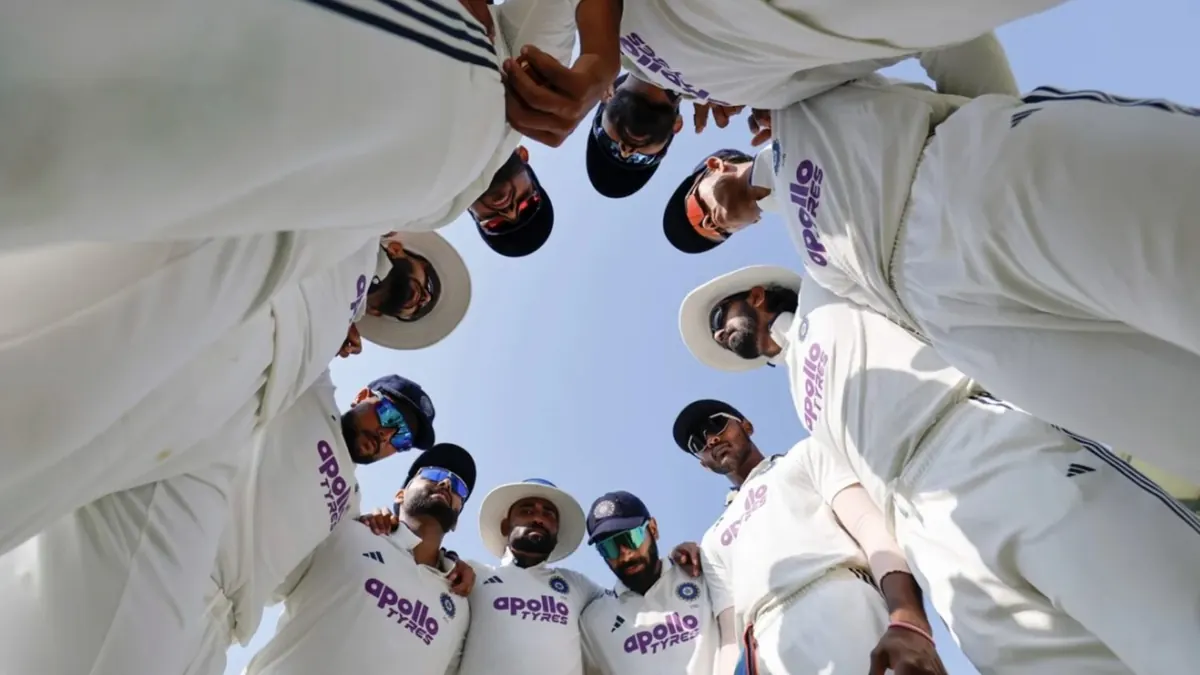
In the world of cricket, few things are as daunting as losing at home, a fortress that teams strive to maintain. For India, a nation with a rich cricketing heritage, the recent back-to-back home series whitewashes have sent shockwaves through the cricketing community. Legendary batsman Sunil Gavaskar has now called for a thorough post-mortem of Indian Test cricket, highlighting the urgent need for introspection and strategic overhaul.
Indias recent struggles in Test cricket have been particularly striking. After dominating the format for years, they have suffered significant defeats that have raised questions about the teams resilience and adaptability. Gavaskars comments come in the wake of a disappointing series where the Indian batting line-up, once considered one of the strongest in the world, faltered under pressure. The sheer weight of expectations, combined with the inability to perform at critical moments, has exposed vulnerabilities that the team must address.
The implications of these losses extend beyond mere statistics. Indias reputation as a formidable Test side, especially at home, has been tarnished. The aura of invincibility that surrounded their performances in familiar conditions has dissipated, leading to concerns about team morale and confidence. For players who have thrived in front of home crowds, the feeling of defeat can be particularly demoralising. It raises the stakes for upcoming fixtures, where the team will need to demonstrate resilience and a renewed sense of purpose.
In the context of South African cricket, the situation resonates deeply. The Proteas have also experienced their share of ups and downs in Test cricket, often battling against the pressures of expectations and performances at home and abroad. Lessons from Indias recent struggles could serve as a valuable reference for South Africa as they look to build a competitive Test side capable of challenging for top honours. The parallels drawn between the two teams highlight the universal challenges faced in the modern game, where every series can redefine a teams trajectory.
As Gavaskar advocates for a comprehensive review, the focus will inevitably turn to player selection, coaching strategies, and the need for a clear vision moving forward. The cricketing community will be watching closely as India looks to rebuild and recover from these setbacks. The upcoming fixtures will be crucial, as the team must not only regain its footing but also restore faith among fans and stakeholders who have supported them through thick and thin.
In conclusion, the road ahead for Indian Test cricket is fraught with challenges, but it also presents an opportunity for growth and renewal. As the team prepares for its next series, the need for a collective reassessment has never been more critical. For both India and South Africa, the journey of rebuilding begins now, and the outcomes will be pivotal in shaping the future of Test cricket in these proud cricketing nations.