The world of rugby is no stranger to controversy, and the latest remarks from former Wallabies captain Michael Hooper are set to stir the pot further. Following Australias recent match under the guidance of Italian referee Andrea Piardi, Hooper has called for the referee to be banned from officiating future games involving the Wallabies. This statement comes in the wake of a match that has drawn significant attention and scrutiny from players, fans, and analysts alike. Hoopers comments highlight a growing frustration within the Australian rugby camp regarding officiating standards, particularly in high-stakes matches. The Wallabies, who have faced a challenging season, are keen on ensuring that every aspect of their game is managed fairly, especially as they prepare for upcoming international fixtures. The call for a ban on Piardi underscores the importance of referee performance in determining the outcome of matches, especially in a sport where split-second decisions can shift momentum dramatically. The Australian rugby community is not alone in its concerns. Refereeing decisions have been a hot topic in rugby discussions globally, with players and coaches from various teams often questioning the consistency and accuracy of officiating. As rugby continues to evolve, the role of referees has come under increased scrutiny, and Hoopers remarks add to a growing narrative that could influence how referees are assigned to matches in the future. For South African rugby fans, this situation resonates on multiple levels. The Springboks, like Australia, have faced their share of contentious refereeing decisions, particularly during crucial encounters in the Rugby Championship and World Cup tournaments. The debate around officiating standards is particularly relevant in the context of South Africas ongoing rivalry with Australia, as both teams gear up for competitive matches that could have significant implications for their standings in international rugby. Hoopers comments also reflect a broader trend in rugby where player welfare and fair play are increasingly prioritized. As the sport grows in popularity and becomes more commercially viable, the scrutiny on referees will likely intensify. This could lead to changes in how referees are trained and assessed, ensuring that they can handle the pressures of officiating at the highest levels effectively. The call for Piardis ban is part of a larger discourse on how rugby can maintain its integrity while ensuring that the best referees are officiating the most critical matches. As the Springboks and Wallabies prepare for their next encounters, the focus will not only be on the players performances but also on how the match officials handle the game. The outcome of this ongoing debate will be pivotal as rugby continues to grow and evolve on the world stage. As the rugby season progresses, fans and analysts alike will be watching closely to see how the rugby authorities respond to Hoopers call and what implications it may have for officiating standards in the sport. With both the Wallabies and Springboks eyeing success in their upcoming fixtures, the importance of fair and consistent refereeing cannot be overstated. The road ahead promises to be as thrilling as it is contentious.
Hooper Calls for Referee Ban in Rugby Controversy
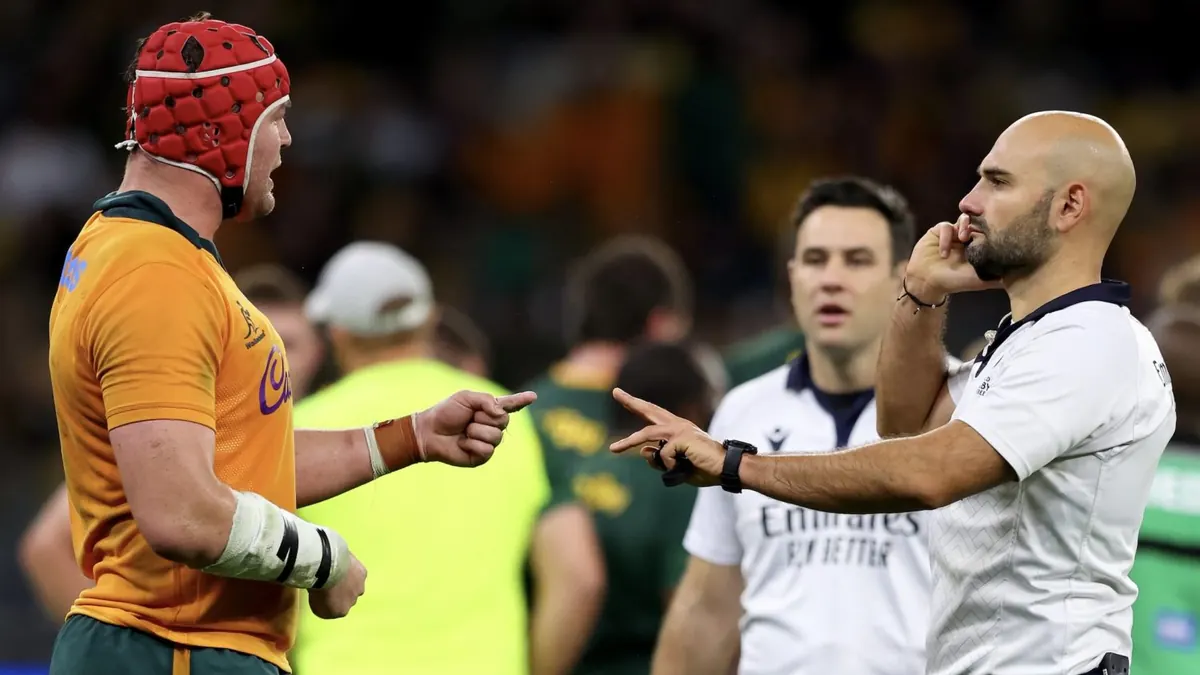
The world of rugby is no stranger to controversy, and the latest remarks from former Wallabies captain Michael Hooper are set to stir the pot further.