Former Wallabies hooker, who has played a significant role in international rugby, has shared the heartbreaking news of his diagnosis with motor neurone disease (MND). This revelation, reported today, not only highlights the personal struggles faced by athletes after their careers but also raises awareness about a condition that affects many worldwide, including those in the rugby community. MND is a progressive neurodegenerative disease that affects the motor neurons in the brain and spinal cord, leading to muscle weakness and physical disability. For a sport like rugby, where physicality is paramount, the implications of such a diagnosis are profound. The former player, who has not only donned the Wallabies jersey but has also contributed to the sport in various capacities, expressed his dismay at the diagnosis, calling it a cruel turn of events. In South Africa, the rugby community has a history of rallying around its own, especially when faced with challenges like this. The Springboks, who have competed against the Wallabies in numerous high-stakes matches, often emphasize the camaraderie and brotherhood that transcends rivalries. This diagnosis serves as a reminder of the fragility of health and the importance of support networks for players after retirement. The announcement comes at a time when rugby players health issues, particularly related to head injuries and neurodegenerative diseases, are under increasing scrutiny. In light of this, the South African Rugby Union (SARU) has been proactive in implementing measures aimed at player welfare, including comprehensive health screenings and initiatives to raise awareness about potential long-term effects of playing the sport. Fans and former teammates have taken to social media to express their support and solidarity. This outpouring of compassion underscores the tight-knit nature of the rugby fraternity, which continues to extend its support beyond the pitch. The rugby world has seen similar cases in the past, with players sharing their battles against various health issues, further emphasizing the need for ongoing discussions about player health and safety. As the rugby community processes this news, it is essential to focus on the broader implications for player health and well-being. The hope is that this diagnosis will prompt further conversations about the long-term impacts of professional rugby and lead to enhanced protective measures for current and future players. Looking ahead, there is a collective hope that advancements in medical research could provide better outcomes for those diagnosed with MND and similar conditions. The rugby community remains committed to supporting its members through their challenges, ensuring that no player has to face such battles alone.
Former Wallabies Star Diagnosed with MND
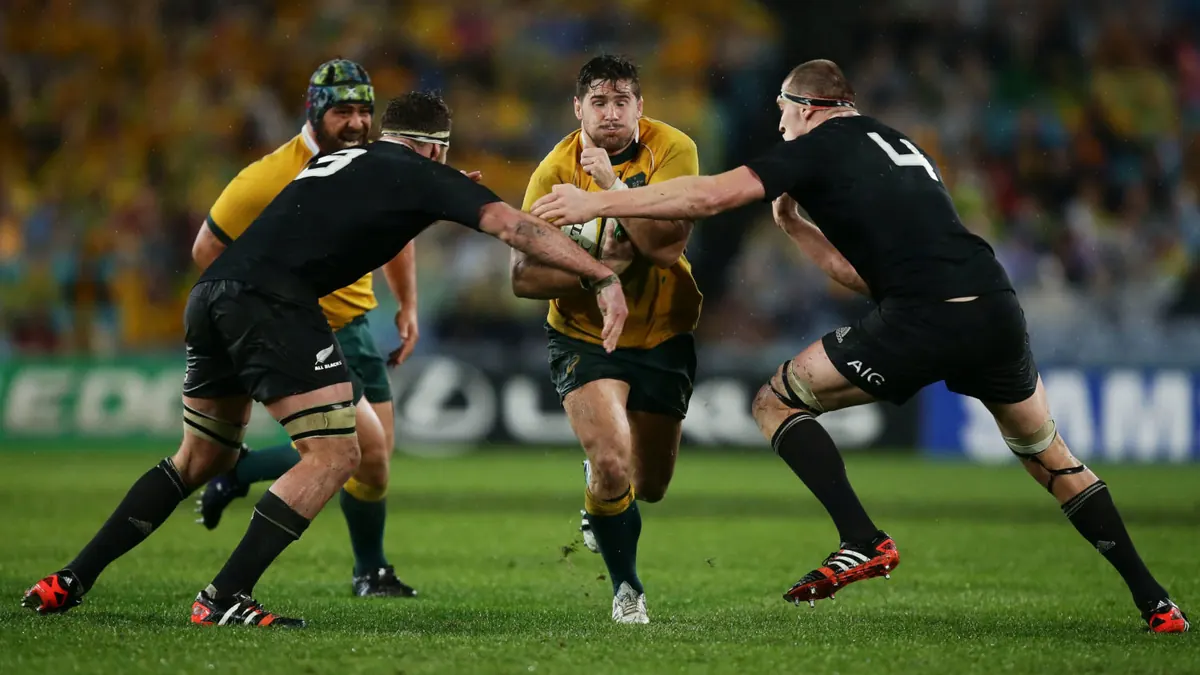
Former Wallabies hooker, who has played a significant role in international rugby, has shared the heartbreaking news of his diagnosis with motor neurone disease (MND).