In a striking reminder of the integrity challenges faced in sports, a referee was banned for life by FIFA due to his involvement in a controversial FIFA World Cup qualifier that featured South Africas national team, Bafana Bafana, and Senegal. This decision, reported today, sheds light on the ongoing issues of match manipulation that have plagued football, particularly within the African context. The match in question took place on November 12,, and was initially significant for South Africa as it was part of the qualification process for the World Cup in Russia. Bafana Bafana entered the encounter with hopes of securing a place in the prestigious tournament, but the game became infamous for the officiating. Referee Joseph Lamptey from Ghana awarded a dubious penalty to South Africa, which led to a 2-1 victory for the home side. However, this win was later overshadowed by the revelation of corruption and manipulation in officiating. Following an investigation, FIFA found that Lamptey had manipulated the match, leading to his lifetime ban. This sanction not only reflects the seriousness of the offense but also serves as a warning to other officials about the consequences of unethical behavior. The ramifications of this decision extended beyond Lamptey, as it raised questions about the reliability of refereeing standards in African football and the measures in place to ensure fair play. For South African football fans, the implications of this scandal were profound. The victory over Senegal was initially celebrated, but the subsequent annulment of the result by FIFA meant that South Africa lost the three points gained from the match. This event had significant consequences for Bafana Bafanas quest for World Cup qualification, highlighting how critical every point is in the competitive landscape of international football. The broader context of this incident points to the need for ongoing reforms in officiating and governance within African football. The Confederation of African Football (CAF) has been working on improving the integrity of the game, but incidents like the Lamptey case underscore the challenges that still exist. Fans and players alike are left hoping for a future where the integrity of the game is upheld and where such manipulation becomes a thing of the past. As South Africa continues to nurture its football talent and ambitions on the international stage, the lessons learned from this dark chapter serve as a reminder of the importance of transparency and accountability in sports. Looking ahead, stakeholders in South African football will be eager to ensure that the focus remains on fair play, allowing the nations footballing prowess to shine without the shadow of corruption.
FIFA Bans Referee Over Match Manipulation
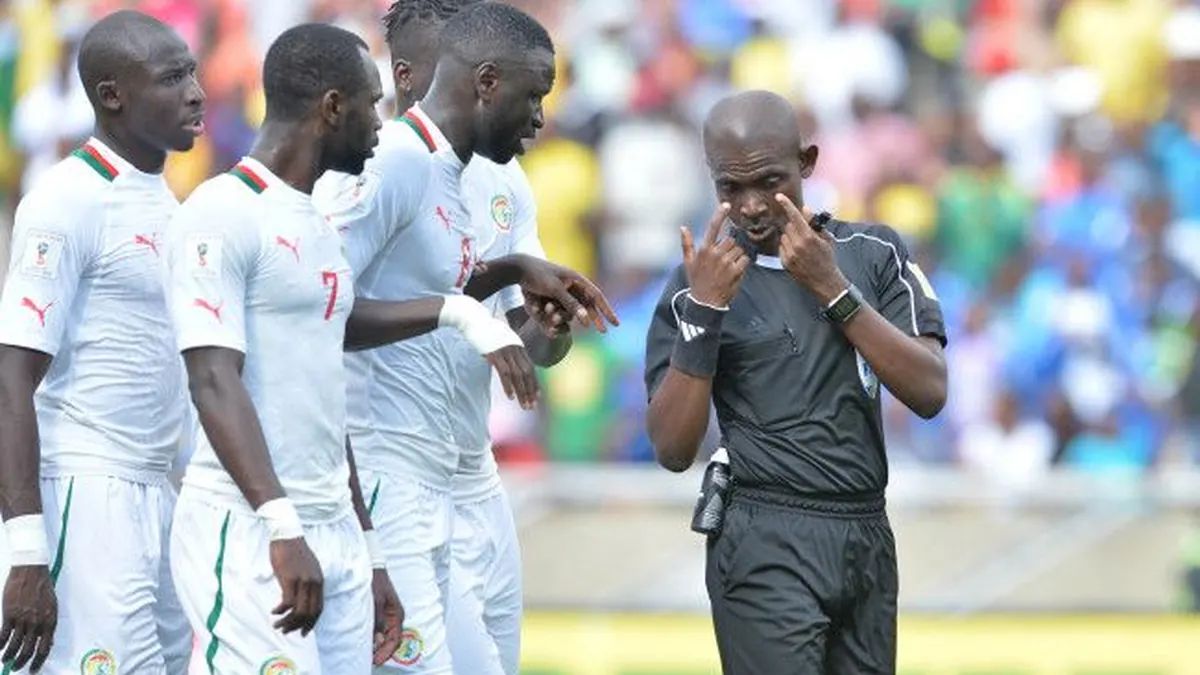
In a striking reminder of the integrity challenges faced in sports, a referee was banned for life by FIFA due to his involvement in a controversial FIFA World Cup qualifier that featured South Africas national team, Bafana Bafana, and Senegal.