The Springboks recent encounter against Ireland has sparked significant debate within rugby circles, particularly concerning the actions of Rassie Erasmus, the teams director of rugby. Reported today, former England internationals Ben Youngs and Dan Cole have weighed in on Erasmus controversial watchalong during the match, suggesting that his conduct has raised eyebrows and prompted critical reactions. Erasmus, who is currently serving a suspension, took to social media to provide commentary on the Springboks performance as they faced Ireland in Dublin. His presence and commentary during the match have been described by some as a departure from the expected norms of professional conduct, leading to comments like Rassie has lost the plot. This incident has not only drawn attention to Erasmus himself but has also intensified discussions about the pressures faced by coaches and players in high-stakes international matches. The match itself was crucial for both teams. Ireland, ranked as one of the top sides in the world, sought to cement their status ahead of upcoming competitions, while the Springboks aimed to bounce back from previous setbacks. The clash was not just about points on the board but also about national pride and the confidence of the players involved. With the Rugby World Cup looming, every match carries the weight of preparation and strategy, making the scrutiny on coaches and their decisions even more pronounced. Youngs and Cole, having experienced their own pressures in international rugby, highlighted the importance of maintaining professionalism, especially in challenging moments. Their remarks bring to light the often intense scrutiny coaches face, especially when their teams are underperforming or when decisions lead to unfavorable outcomes. The expectation is that leaders in rugby should set an example, and Erasmus recent actions have raised questions about what is deemed acceptable behavior in the sport. This incident occurs at a pivotal time for South African rugby, as the Springboks prepare for crucial fixtures leading up to the World Cup. The teams performance against Ireland will be analyzed not just for the result, but for how the coaching staff and players respond to adversity. The upcoming matches will be a test of resilience and strategy, and how Erasmus navigates his current challenges could have lasting implications on the teams morale and performance. As South African fans look ahead, there is a shared hope that the Springboks can channel this scrutiny into positive outcomes on the field. With the stakes higher than ever, the focus will be on how the team, under the guidance of Erasmus and his assistants, can regain their footing and build momentum towards the World Cup. The rugby community will be watching closely, eager to see how the Springboks evolve in the face of both internal and external pressures.
Erasmus Sparks Debate After Ireland Match
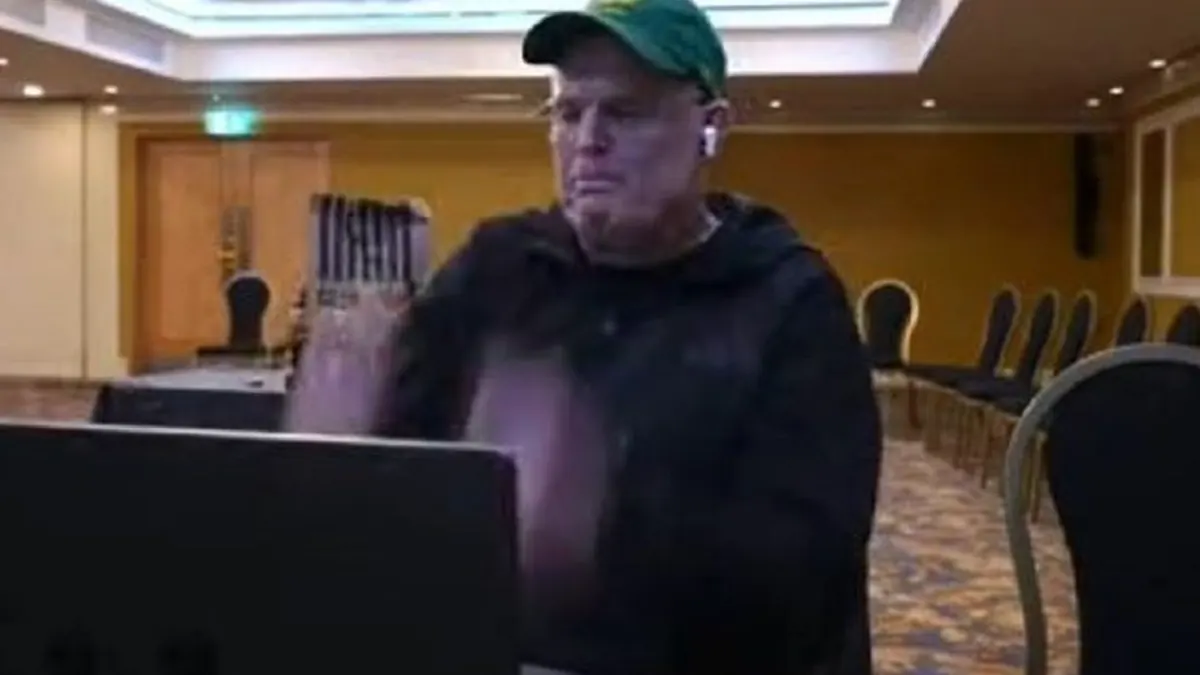
The Springboks recent encounter against Ireland has sparked significant debate within rugby circles, particularly concerning the actions of Rassie Erasmus, the teams director of rugby.