Former Springbok hooker Hanyani Shimange has voiced his astonishment at the recent six-match ban imposed on Rassie Erasmus by World Rugby, a decision that has ignited discussions within the South African rugby community. The timing of this ruling comes as the Springboks prepare for the upcoming Nations Championship, making the implications of Erasmuss absence particularly significant for the team. Erasmus has been a pivotal figure in South African rugby, leading the Springboks to victory in the Rugby World Cup. His coaching style and strategies have been credited with revitalising the national team, and his suspension raises questions about the leadership and tactical direction of the squad during critical matches. The six-match ban, which was announced this week, stems from his conduct during previous Test matches, where he faced scrutiny for his outspoken nature regarding officiating decisions. The Nations Championship, which features some of the top rugby nations, is fast approaching, and the Springboks will need to navigate this competition without their director of rugby at the helm. The absence of Erasmus could lead to adjustments in the coaching staff, with potential shifts in game plans and player management. The Springboks, who have consistently been a force in international rugby, will now face the challenge of maintaining their competitive edge during this period of uncertainty. Shimanges comments reflect a broader sentiment among South African rugby fans and analysts, many of whom share his disbelief over the severity of the ban. The rugby community is known for its passionate debates, and this ruling has sparked a dialogue about the balance between maintaining discipline and fostering an environment for constructive criticism within the sport. The implications of such a ban could resonate beyond just the Springboks, potentially influencing how coaches and players interact with match officials in the future. As the Springboks gear up for their matches in the Nations Championship, the focus will now shift to how they adapt to the absence of their influential leader. The team will need to rally together, drawing on their collective experience and resilience to tackle the challenges ahead. With the tournament set to showcase some of the best talent in the world, the stakes have never been higher. Looking ahead, the Springboks will aim to leverage their strong squad depth and the leadership qualities of senior players to navigate the upcoming fixtures. The outcome of these matches may not only shape their immediate future but also influence the broader landscape of South African rugby as they strive to maintain their status among the elite in the sport.
Erasmus Six-Match Ban Shocks Rugby Community
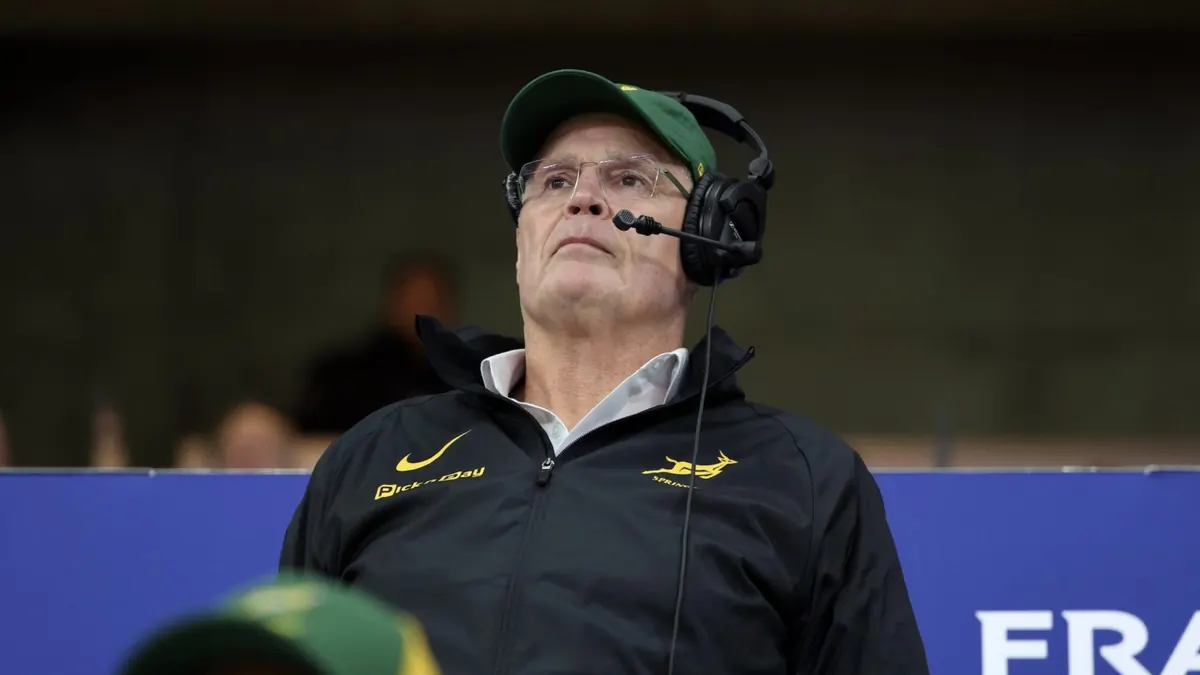
Former Springbok hooker Hanyani Shimange has voiced his astonishment at the recent six-match ban imposed on Rassie Erasmus by World Rugby, a decision that has ignited discussions within the South African rugby community.