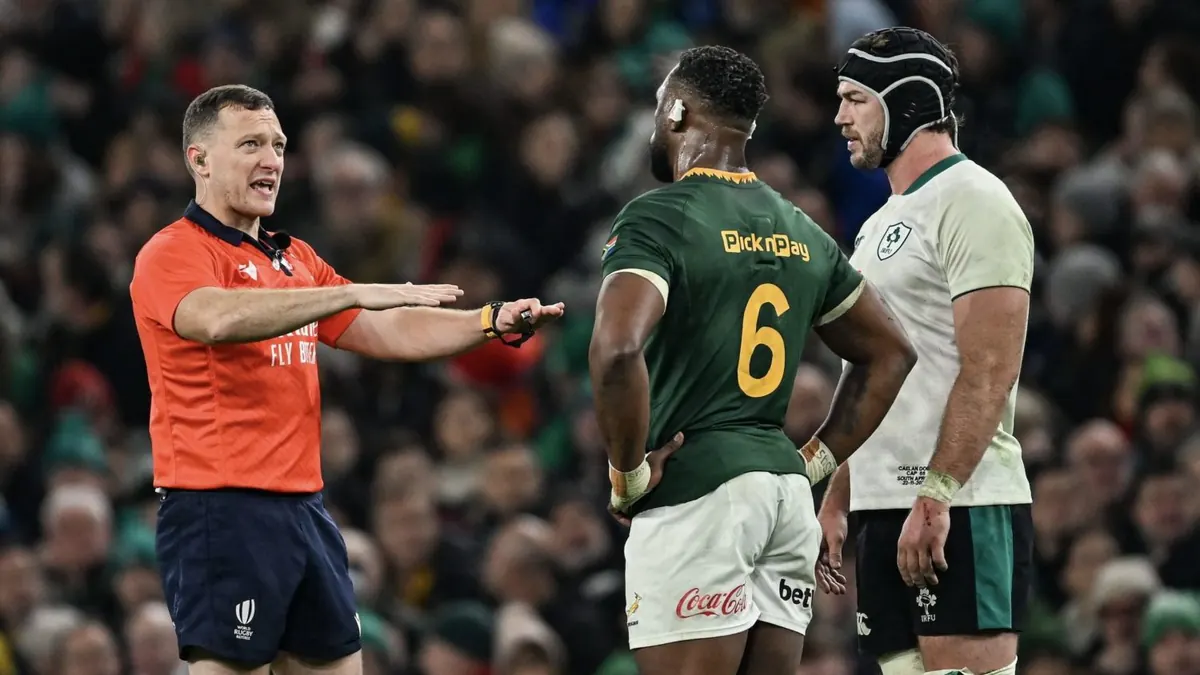
Springbok coach Rassie Erasmus has recently voiced concerns regarding the evolving communication protocols between match officials and teams, highlighting an unexpected reliance on media channels to convey messages to referees. This development comes at a time when the Springboks are preparing for intense competition, making the dynamics of officiating and communication more crucial than ever. Erasmus has expressed that the new match-official communication protocols established by World Rugby are compelling teams to resort to public platforms to address their grievances. Previously, teams would engage directly with referees through established channels, but the current system appears to hinder direct dialogue. This shift in communication strategy has caused frustration among coaching staff, who feel that raising issues in the media might be the only effective way to ensure their concerns are acknowledged by match officials. The Springboks, known for their competitive spirit and rich rugby heritage, are currently gearing up for a challenging series of international fixtures. With the Rugby World Cup on the horizon, the stakes are high. The team is focused on refining their strategies and ensuring that they are well-prepared to face their fiercest rivals. The impact of officiating decisions can be pivotal in tightly contested matches, making clarity in communication all the more essential for coaches and players alike. In recent encounters, the Springboks have had to navigate controversial refereeing decisions that have affected the outcomes of crucial matches. As the team strives for excellence, the need for consistent and fair officiating becomes paramount. Erasmuss comments reflect a broader concern within the rugby community about the transparency and effectiveness of communication between teams and match officials. The reliance on media to relay messages may also influence how referees approach their duties. If teams consistently highlight specific issues through public statements, it could lead to increased scrutiny of officiating decisions. This could either enhance the accountability of referees or, conversely, add pressure that may affect their performance on the field. As the Springboks look ahead to their upcoming fixtures, the focus will remain on maintaining their standards of play while navigating the complexities of modern officiating. The teams resilience and adaptability will be tested not only against their opponents but also in how they manage the external factors that come into play during international rugby. With the backdrop of rising tensions and expectations, the Springboks are set to make their mark in the rugby world, and how they respond to the challenges posed by officiating will be a key aspect of their journey. As they prepare for battle on the field, the discourse surrounding communication protocols will undoubtedly continue to shape the landscape of rugby in South Africa and beyond.
Erasmus Raises Concerns on Officiating Protocols
Springbok coach Rassie Erasmus has recently voiced concerns regarding the evolving communication protocols between match officials and teams, highlighting an unexpected reliance on media channels to convey messages to referees.