Rassie Erasmus, the Springboks director of rugby, has once again found himself in the spotlight following his recent comments regarding officiating in rugby. The situation has sparked support from former Ireland wing Simon Zebo, who has voiced his agreement with Erasmus, stating that the South African should not face punishment for advocating on behalf of his team. This development comes at a crucial time as the Springboks prepare for the upcoming Nations Championship, where every match will be critical to their campaign. Erasmus has been a polarising figure in the rugby community, particularly following his outspoken criticism of refereeing decisions during the Springboks matches. His comments have drawn both support and backlash, with many arguing that coaches should have the right to express their opinions on officiating. Zebos endorsement of Erasmus highlights a growing sentiment among some players and coaches that the dialogue surrounding refereeing standards needs to be elevated, rather than silenced. The Nations Championship, which features top-tier teams from around the world, is set to begin soon, making the timing of this discussion particularly relevant. The Springboks, who are currently one of the leading teams in international rugby, will be looking to leverage their strengths and gain momentum in this competition. With Erasmus at the helm, the teams strategy and approach to officiating could play a significant role in their performance. Furthermore, Zebos remarks underscore the importance of player and coach perspectives in shaping how the game is officiated. With the increased scrutiny on referees and the decisions they make, it is essential for rugby authorities to consider the viewpoints of those directly involved in the game. As the competition heats up, the focus on fair play and consistent officiating will be paramount for all teams, including the Springboks. Erasmus comments and Zebos support also bring to light the broader implications for rugby governance and the need for transparent communication between officials and teams. As the sport evolves, the relationship between players, coaches, and match officials will be critical in fostering a more competitive yet fair environment. Looking ahead, the Springboks will be keen to channel this dialogue into their preparations for the Nations Championship. With the stakes high and the pressure mounting, it will be interesting to see how Erasmus leadership and the teams performance are influenced by these ongoing discussions. As they aim for success on the international stage, the balance between advocacy for the team and respect for officiating will be a pivotal aspect of their journey.
Erasmus Faces Officiating Debate Ahead of
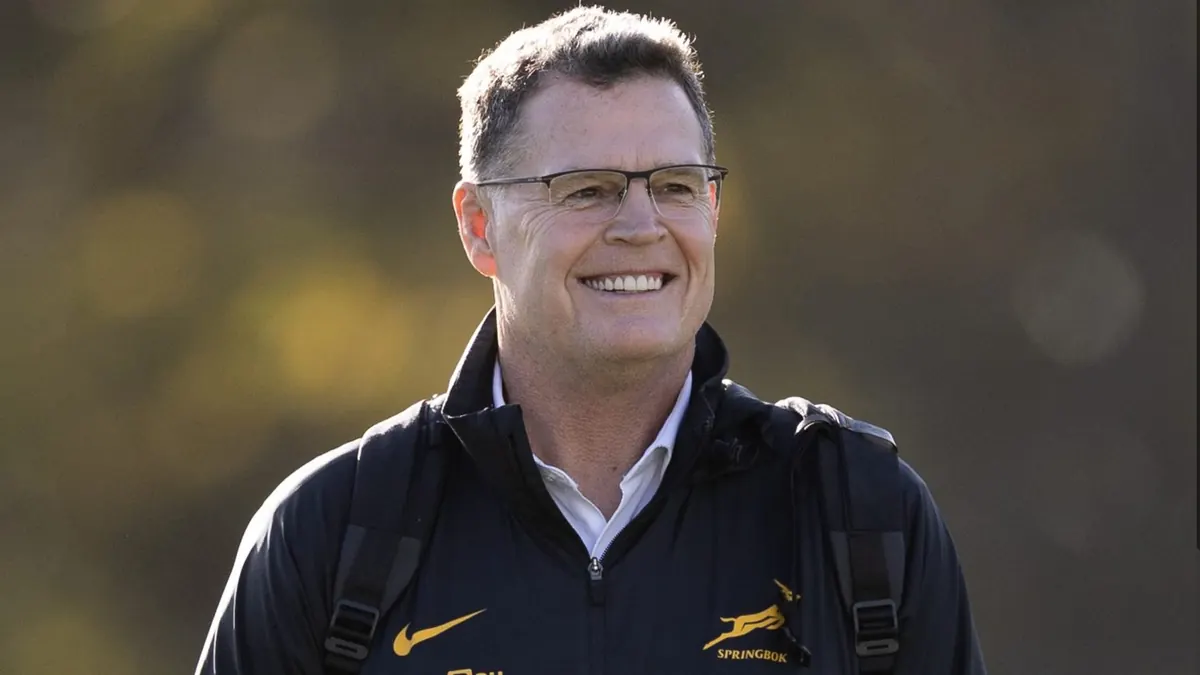
Rassie Erasmus, the Springboks director of rugby, has once again found himself in the spotlight following his recent comments regarding officiating in rugby.