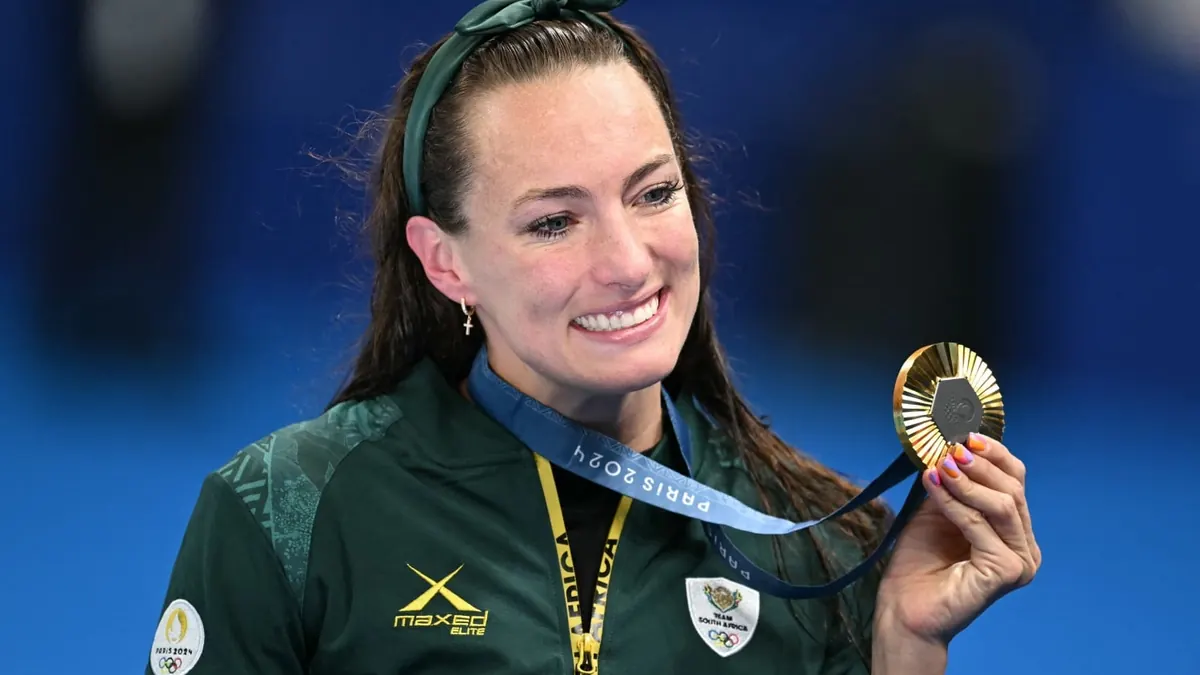
In the landscape of South African sports, the voices of athletes are often overshadowed by administrative decisions and institutional silence. This sentiment was echoed in a recent opinion piece by Wesley Botton, who emphasized the need for greater empowerment of South African sports stars, particularly in light of the challenges they face when expressing grievances. Many South African athletes, including prominent figures like Olympic swimmer Tatjana Schoenmaker, have found themselves in a precarious position. Despite their achievements on the international stage, including breaking records and earning medals, athletes often feel compelled to remain silent about issues affecting their careers and well-being. This silence is not merely a byproduct of personal choice; rather, it stems from a culture of fear regarding potential repercussions from sports federations and governing bodies. The current climate within South African sports is one where athletes are wary of speaking out, especially when it comes to matters such as training conditions, funding disparities, and administrative mismanagement. For instance, in various sports, complaints about inadequate facilities or lack of support are common, yet few athletes feel empowered to voice these concerns without fearing backlash or jeopardizing their careers. This environment stifles not only individual athletes but also the potential for collective progress within South African sports. The timing of this discussion is particularly relevant as South Africa prepares for major sporting events, including the upcoming international competitions in athletics, rugby, and cricket. Athletes are gearing up to represent their country, but the underlying issues of support and recognition remain unresolved. The lack of a robust platform for athletes to express their views could hinder not only their performance but also the countrys overall competitiveness on the global stage. Moreover, the experiences of athletes are not isolated incidents but part of a broader narrative that affects the perception of South African sports. The need for transparency and accountability within sports organizations is paramount. Ensuring that athletes have a voice could lead to reforms that enhance the overall environment in which they train and compete. This is crucial not only for individual athletes but also for the development of future sporting talent in the country. As the conversation around empowering athletes gains momentum, it is essential for stakeholders, including sports federations, sponsors, and the media, to foster an environment where athletes can speak freely without fear of retribution. The call for a more powerful voice for South African sports stars is not just about individual grievances; it is about the integrity and sustainability of South African sports as a whole. Looking ahead, it is vital for the sports community to unite in support of athletes, creating channels for dialogue and advocacy. By amplifying their voices, South African sports can move towards a more inclusive and supportive framework, ultimately benefiting athletes and the nation as a whole in the pursuit of excellence in sports.
Empowering South African Athletes
In the landscape of South African sports, the voices of athletes are often overshadowed by administrative decisions and institutional silence.