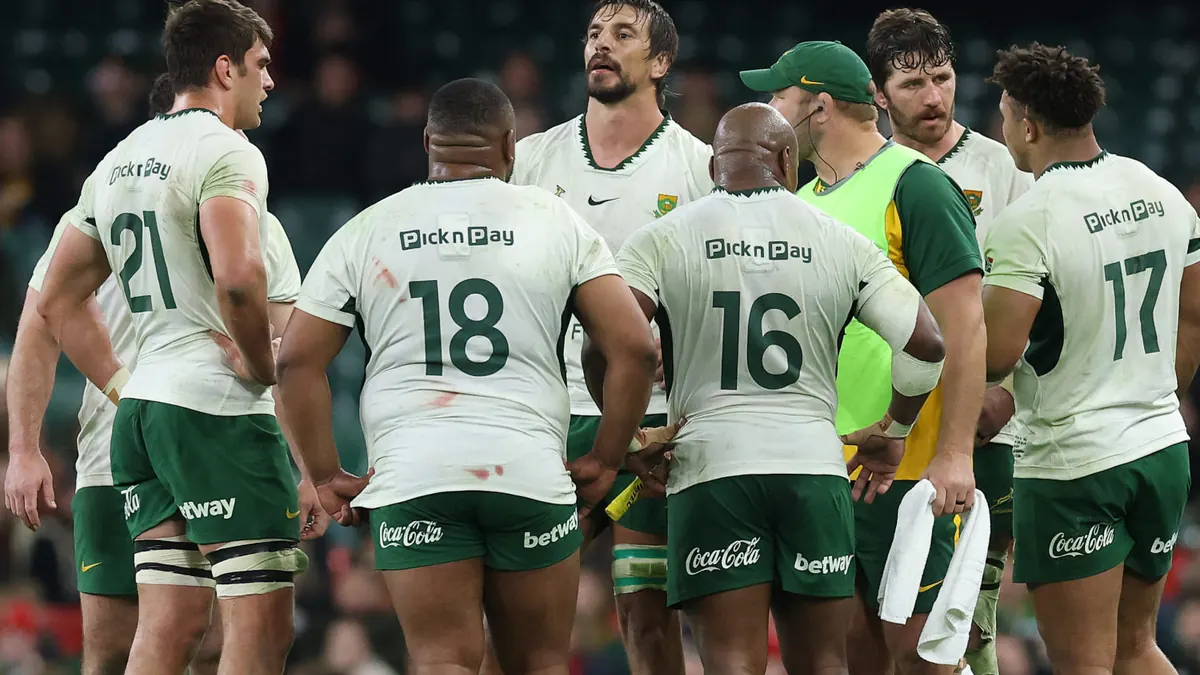
Eben Etzebeth, a stalwart of the Springbok rugby team, has been handed a significant suspension following a disciplinary hearing that found him guilty of making intentional contact with the eye area of Wales flanker Alex Mann. This decision has sent ripples through the South African rugby community, raising questions about player conduct and the implications for the national teams upcoming fixtures.
The incident occurred during a recent Test match against Wales, where Etzebeths aggressive playing style was once again on display. Known for his physicality and leadership on the field, the locks actions during the match have drawn scrutiny, particularly in light of World Rugbys stringent stance on player safety and the protection of players welfare. The ruling against Etzebeth underscores the increasing emphasis on maintaining high standards of conduct within the game, especially at the international level.
With the suspension now confirmed, the Springboks face a challenging period ahead. Etzebeth has been a central figure in the Springbok setup, contributing not only through his formidable presence in the pack but also as a leader who galvanizes his teammates. His absence will be felt keenly as the team prepares for crucial upcoming matches, including those in the international Test window where they will seek to solidify their standing ahead of significant tournaments.
The implications of this suspension extend beyond just the immediate impact on the team. South African rugby is at a pivotal moment, grappling with the balance between maintaining the physicality that characterizes the sport and adhering to the evolving regulations designed to protect players. The decision to impose a lengthy ban on one of the games most prominent players may serve as a warning to others about the consequences of reckless behavior on the field.
Furthermore, the Springboks coaching staff will need to make quick adjustments to their game plan in the wake of this ruling. They will be tasked with finding a suitable replacement for Etzebeth, who not only brings physical prowess but also vital experience in high-pressure situations. The depth of talent in South African rugby may provide options, but finding a player who can replicate Etzebeths influence will be no easy feat.
As the Springboks navigate this challenging time, the focus will also shift to how the team can rally in support of each other, with younger players stepping up to fill the void left by the seasoned lock. The upcoming matches will be crucial for the development of these players and the overall cohesion of the squad as they aim to reinforce their status as one of the premier teams in world rugby.
Looking ahead, the Springboks will need to adapt and evolve in the face of this setback. The eyes of the rugby world will be on them as they strive to maintain their competitive edge, demonstrating resilience and unity in the face of adversity. The coming weeks will be pivotal for the team, both in terms of performance and in setting a precedent for player conduct in the sport.