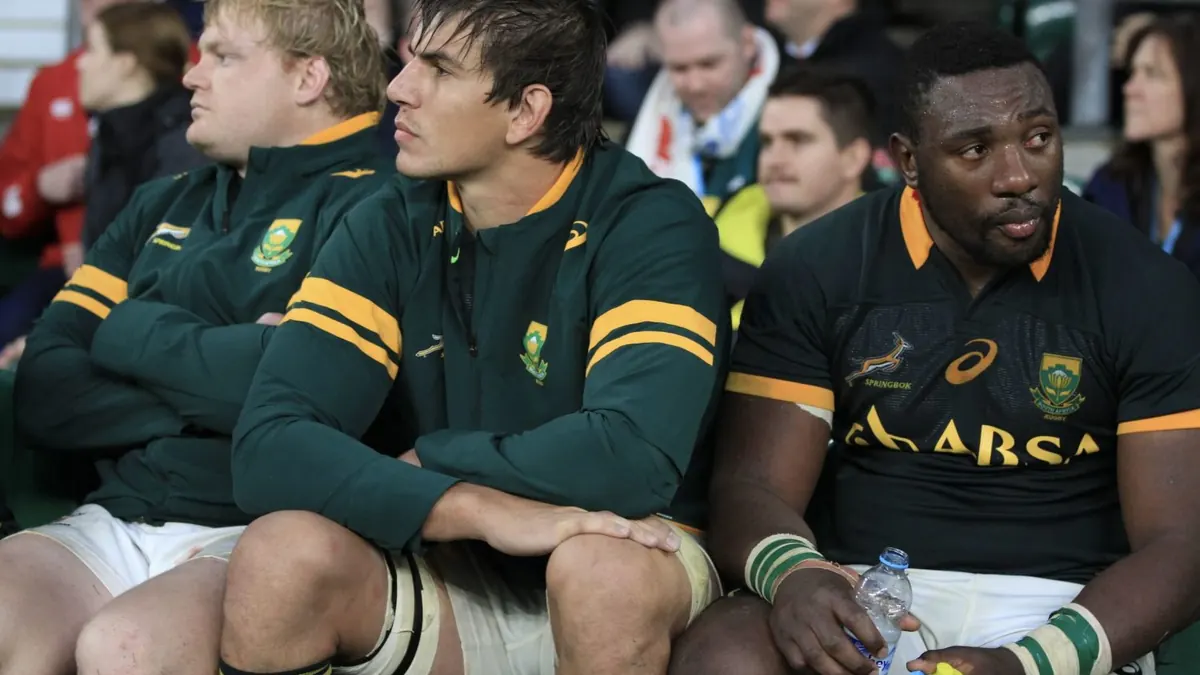
Eben Etzebeth, a cornerstone of South African rugby, has opened up about his early experiences with leadership and discipline within the Springbok squad, shedding light on challenges that not only affected him as a player but also the teams overall performance. As the Springboks prepare for their upcoming international fixtures, his reflections serve as a poignant reminder of the importance of strong leadership in achieving success on the world stage.
Etzebeths career began with immense promise, but he faced significant hurdles during critical phases early in his Test journey. He highlighted a lack of cohesive leadership and discipline among players, factors that contributed to a disillusioned mindset. These issues were particularly evident during high-stakes matches where the Springboks were expected to perform at their best. The pressure of international rugby can be intense, and without a solid leadership structure, even the most talented teams can struggle to find their footing.
The Springboks, known for their rich rugby heritage and competitive spirit, have often relied on strong personalities to guide the team. Etzebeths comments underscore the importance of having not just skillful players, but also effective leaders who can foster discipline and unity. The absence of this during crucial moments can lead to fragmented play and missed opportunities, as was the case in some of the early matches of his career.
In discussing specific events, Etzebeth pointed to instances where a lack of accountability among players led to poor performances. This was particularly evident during tours or series where the team faced formidable opponents. The psychological toll of such experiences can weigh heavily on players, affecting their confidence and cohesion on the field. As the Springboks gear up for future competitions, including the upcoming international calendar, ensuring that these lessons are learned and applied will be vital for success.
Contextually, South African rugby fans will recall the Springboks storied history, including their triumphs in World Cups and other international tournaments. However, it is crucial to recognize that the road to success is often paved with challenges. The insights from Etzebeth serve as a reminder that the team must continuously evolve, learning from past experiences to build a stronger foundation moving forward.
As the Springboks look ahead, the focus will be on fostering a culture of accountability and strong leadership. With seasoned players like Etzebeth taking on more prominent roles, there is optimism that the lessons learned can translate into better performances on the field. The upcoming fixtures present an opportunity for the team to showcase not only their skill but also their growth as a unified squad, ready to take on the challenges of international rugby.
In conclusion, Eben Etzebeths reflections on leadership and discipline within the Springbok squad highlight vital areas for improvement as the team prepares for its future endeavors. With a commitment to building a cohesive unit, the Springboks aim to reclaim their position as one of the premier teams in world rugby, embodying the spirit and resilience that South African fans have come to expect.