In the world of rugby, few topics ignite as much debate as the role of the Television Match Official (TMO). Recent discussions have surfaced around the potential for reducing the TMOs influence on the game, a sentiment echoed in a column reported today by Simon Borchardt. The TMO, introduced to assist referees in making crucial decisions, has become a focal point in discussions regarding the balance of authority on the field. Borchardt argues that while the TMO has its merits, its role should be diminished to ensure that the referee remains the primary decision-maker. This debate comes at a crucial time, particularly for South African rugby, where the Springboks are gearing up for their next international fixtures. The teams performance is closely scrutinised, and the pressure to get decisions right is immense, especially following the highs and lows of the recent World Cup campaigns. The use of the TMO has led to extended stoppages in play, which can disrupt the flow of the game and affect both players and spectators. Critics, including Borchardt, suggest that the reliance on technology can undermine the referees authority. In a sport where the human element is paramount, it is vital to strike a balance that empowers the officials while utilising technology as a support tool rather than a crutch. For South African fans, this discussion is particularly resonant. The Springboks have faced their fair share of contentious decisions in high-stakes matches, leading to calls for a more streamlined approach to officiating. The recent debate over the TMOs role may influence how referees officiate future matches, including those in the upcoming Rugby Championship. The stakes are high, and South Africans will be keenly watching how this issue unfolds. Moreover, the international rugby landscape is evolving, with other nations also weighing in on the TMO debate. Countries such as New Zealand and England have expressed similar concerns, advocating for a system that maintains the integrity of the game while ensuring that technology enhances rather than hinders the experience. As South Africa prepares to compete on the global stage, the approach taken towards officiating could significantly impact their performance and outcomes. Ultimately, the future of the TMO in rugby remains uncertain, but the call for a more balanced approach is gaining traction. As the sport continues to evolve, finding the right integration of technology and human judgment will be crucial. For South African rugby, this could mean a renewed focus on the referees role in maintaining the pace and spirit of the game, while still leveraging technology to support fair play. As discussions around the TMO continue, rugby enthusiasts will be eager to see how governing bodies respond. The outcome of this debate could redefine officiating standards in the sport and impact how matches are experienced by players and fans alike. With the Springboks looking to assert their dominance in upcoming competitions, clarity on officiating will be essential for their success.
Debating the TMOs Role in Rugby
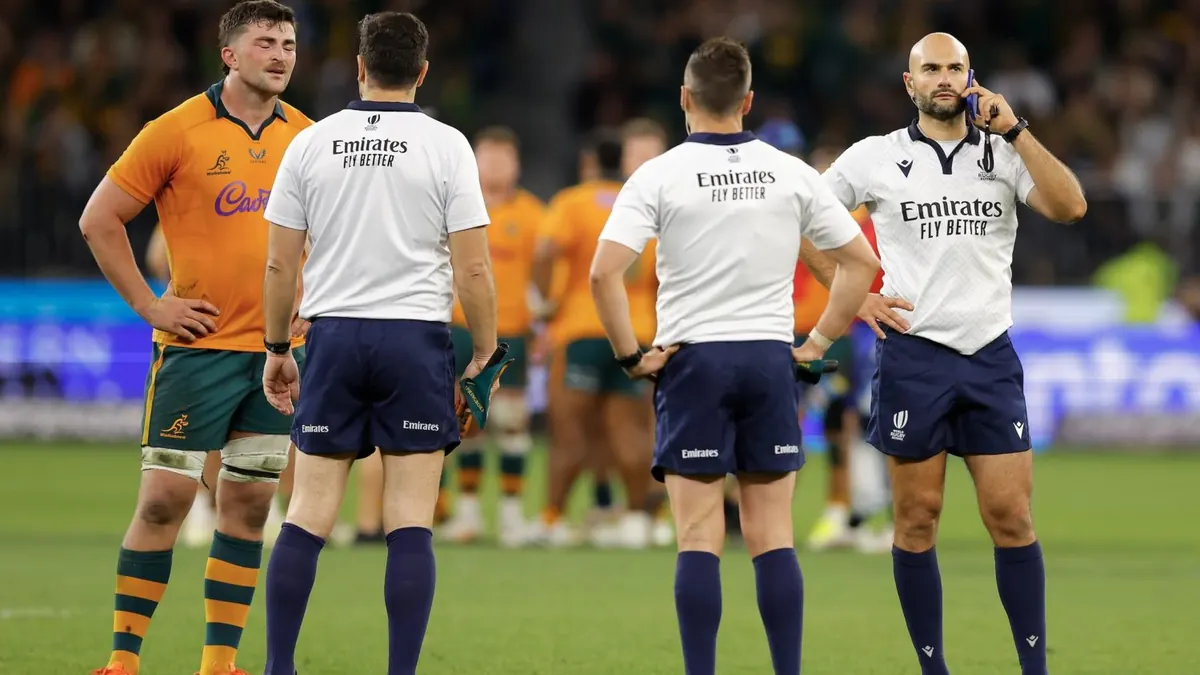
In the world of rugby, few topics ignite as much debate as the role of the Television Match Official (TMO).