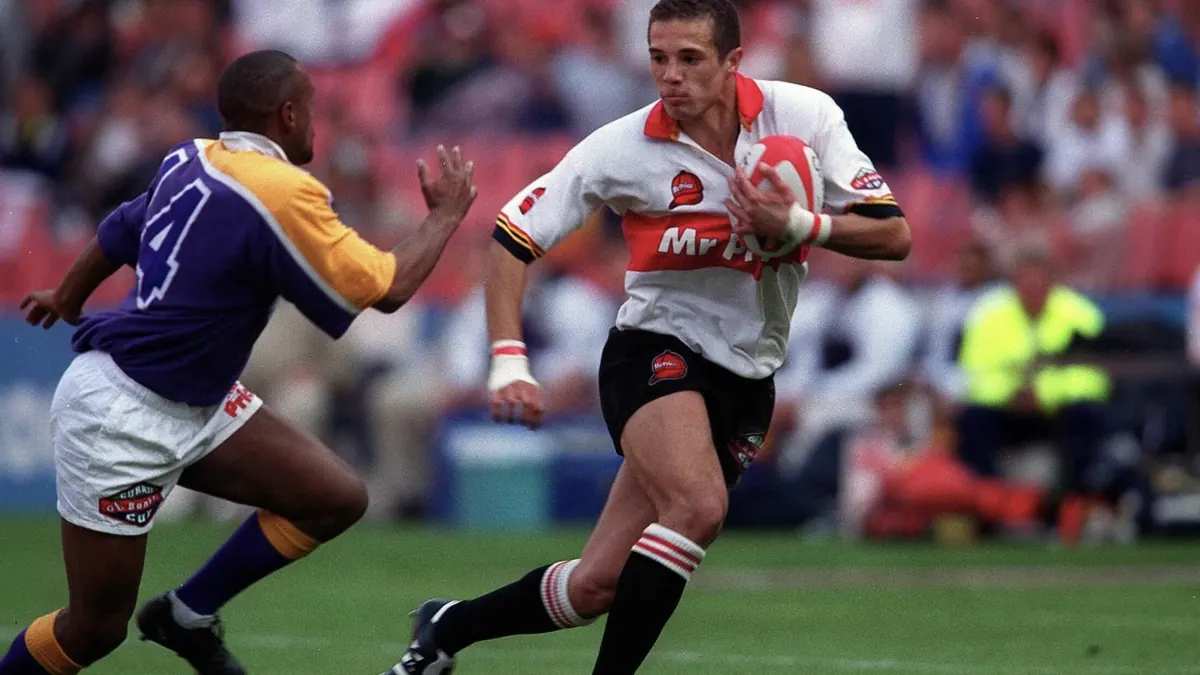
In the world of South African rugby, tensions often flare, not only on the pitch but also in the media arena. This week, former Springbok fullback Conrad Jantjes has stepped into the fray, coming to the defense of Rassie Erasmus, the Springbok director of rugby, against critical remarks made by former All Blacks coach Laurie Mains. The exchange highlights the ongoing discourse surrounding integrity and honesty in the sport, especially as South Africa gears up for crucial matches on the international stage.
Laurie Mains, who led the All Blacks to a World Cup victory in 1987, recently made comments suggesting that Erasmus and his coaching staff lacked transparency regarding their strategies and decisions. Mainss remarks have stirred controversy, prompting Jantjes to urge a more reflective approach from the veteran coach. Jantjes argues that Mains should consider his own record and contributions to rugby before casting aspersions on others. This incident underscores the heightened scrutiny surrounding South African rugby, particularly as the Springboks prepare for their upcoming fixtures.
As tensions rise, the focus also shifts towards the Springboks current form and their preparations for the Rugby World Cup. With the tournament just around the corner, South Africas performance will be under the microscope, and any perceived internal conflicts could have implications for team morale and public perception. The Springboks have a storied history, and the weight of expectations adds pressure to both players and coaching staff alike.
In recent months, Erasmus has been pivotal in shaping the Springboks strategy and player selection. His approach has often been met with both acclaim and criticism, reflecting the polarized opinions within the rugby community. With the Rugby World Cup looming, the necessity for unity within the team and its management becomes increasingly critical. Jantjess defense of Erasmus can be seen as an appeal for cohesion, as the Springboks look to build momentum heading into one of the sports most prestigious tournaments.
The rivalry between South Africa and New Zealand remains one of the fiercest in rugby, and Mainss comments could be interpreted as part of a broader narrative surrounding the mental warfare often seen in the lead-up to major matches. For South African fans, the stakes are high, and the performance of their team in the World Cup will be a reflection of their resilience and ability to overcome external pressures.
As the Springboks continue their preparation, the dialogue surrounding the teams leadership and integrity will likely persist. The upcoming matches will not only test their physical capabilities but also their mental fortitude in the face of criticism. With Jantjes advocating for a focus on teamwork and respect for the games traditions, the hope is that the Springboks can channel this energy positively as they aim for World Cup glory. The rugby world will be watching closely as the Springboks navigate these challenges, eager to see how they respond on the field.