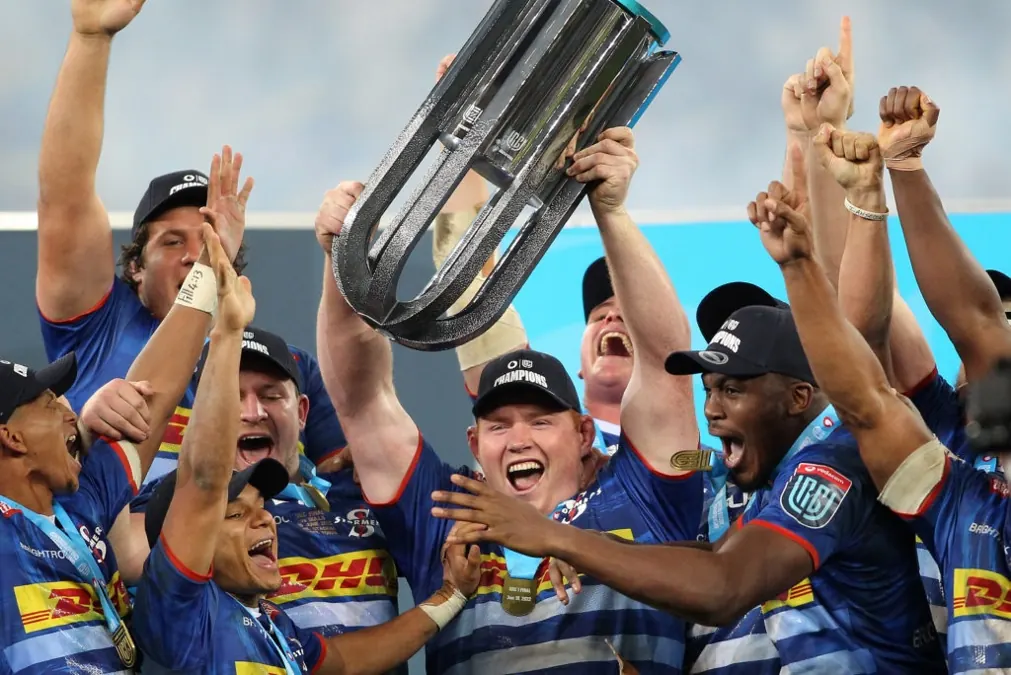
South African franchises competing in the United Rugby Championship (URC) have raised significant concerns regarding the proposed R360 competition. This potential league structure, which aims to introduce a new competitive framework, has sparked fears among teams about the implications for player welfare, financial viability, and the overall integrity of the sport.
The R360 competition is designed to enhance the level of competition and engagement within rugby. However, the URC teams argue that the demands of an additional tournament could overstretch players who are already participating in a packed schedule. With player fatigue being a critical issue in professional sports, the franchises are apprehensive that the introduction of this competition may lead to increased injuries and burnout among athletes.
Franchises such as the Stormers, Bulls, Sharks, and Lions are particularly vocal in their opposition, emphasizing the need to prioritize the welfare of their players. The current URC format already requires teams to balance domestic fixtures with international challenges, including the Rugby World Cup and various international tours. Adding another layer of competition could jeopardize player performance and health, which is a paramount concern for all stakeholders involved.
Furthermore, the financial implications of a new competition cannot be overlooked. The URC has already established itself as a competitive league with significant broadcasting deals and sponsorships. The introduction of the R360 competition may dilute the market for sponsorships and television rights, leading to potential revenue losses for the franchises. Teams are concerned that a fragmented competition landscape could result in diminished financial stability, which is critical for maintaining and developing rugby talent in South Africa.
Moreover, the sentiment among South African rugby communities reflects a broader apprehension about the future of rugby in the region. With the growth of rugby leagues globally, there is a fear that South African teams could lose their competitive edge if they are forced to compete in multiple tournaments simultaneously. The integrity of the URC, which has successfully showcased South African talent on an international stage, must be preserved to ensure that local players can continue to thrive and excel.
As discussions surrounding the R360 competition continue, it is evident that South African rugby franchises are not merely reacting to a new proposal but are advocating for the long-term sustainability of the sport. The balance between competition and player welfare is delicate, and the outcomes of these deliberations will have lasting effects on the rugby landscape in South Africa.
Looking ahead, it is crucial for all parties involved to engage in constructive dialogue to find a solution that benefits players, teams, and the overall rugby community. The future of South African rugby hinges on making informed decisions that prioritize both competitive integrity and player health, ensuring that the sport remains vibrant and sustainable for generations to come.