Chippa United, a club with a storied yet turbulent history in South African soccer, finds itself at the center of attention once again as FIFA has confirmed the latest sanctions against the team. This development raises significant questions about the clubs future and its ability to navigate the complex landscape of player transfers and financial management. The sanctions imposed by FIFA are a result of ongoing issues related to unpaid debts to former players and clubs. This situation has led to a transfer ban, meaning Chippa United will be unable to register new players until the debts are settled. The club has been embroiled in similar disputes in the past, and the re-emergence of these issues could severely impact their competitiveness in the Premier Soccer League (PSL). For Chippa United, the stakes are high. With the transfer window approaching, the inability to sign new talent could hinder their ambitions for the season. The club has struggled to maintain a consistent performance in recent campaigns, often flirting with relegation. The absence of new signings could exacerbate these challenges, leaving the team vulnerable as they strive to improve their standing in the league. The implications of FIFAs sanctions extend beyond just player acquisitions. The clubs financial health is now under scrutiny, and its management must find a way to resolve outstanding debts to avoid further penalties. This situation not only affects the current squad but also has the potential to deter future investments and partnerships that are essential for the clubs growth and stability. In the context of South African soccer, Chippa Uniteds predicament highlights a broader issue within the league. Many clubs face similar challenges related to financial mismanagement and the consequences of failing to meet contractual obligations. This has prompted discussions about the need for stricter regulations and oversight to ensure the long-term sustainability of teams in the PSL. As Chippa United grapples with these challenges, the clubs supporters remain hopeful that the management will find a resolution. The upcoming weeks will be crucial as the club seeks to address its financial issues and work towards lifting the transfer ban. The outcome will not only determine the clubs immediate future but could also set a precedent for how such matters are handled across the league. Looking ahead, Chippa United has the opportunity to learn from this experience and implement better practices in player management and financial planning. The clubs leadership must act decisively to secure its place in South African soccer, ensuring that they are not only competitive on the pitch but also responsible off it. As the situation develops, all eyes will be on Chippa United to see how they navigate this latest challenge.
Chippa United Faces FIFA Sanctions Amid Transfer Ban
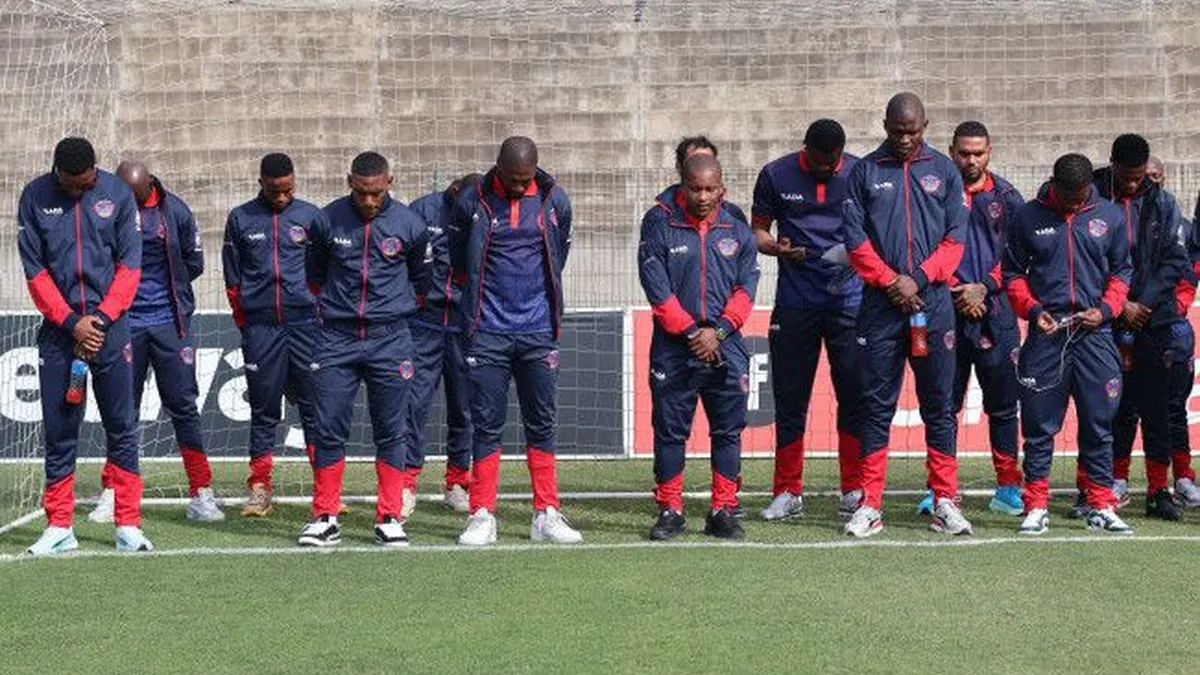
Chippa United, a club with a storied yet turbulent history in South African soccer, finds itself at the center of attention once again as FIFA has confirmed the latest sanctions against the team.