In a significant moment for South African rugby, former Springbok great Naas Botha has voiced his concerns regarding the recent six-match suspension imposed on Rassie Erasmus, the Springboks director of rugby. This development, reported today, has sparked a debate about the dynamics between coaches and match officials, raising questions about accountability and the perception of authority within the sport. Bothas remarks come in the wake of Erasmuss suspension, which he believes sends a troubling message about the relationship between coaches and referees. Erasmus has been a pivotal figure in South African rugby, leading the Springboks to a World Cup victory in. His outspoken nature and willingness to challenge officiating decisions have garnered both admiration and criticism. The suspension, following his comments made after a Test match, has intensified discussions around the boundaries of acceptable critique of referees in professional rugby. The context of this issue is particularly relevant as South Africa prepares for the Nations Championship, a newly established competition that promises to elevate the stakes for participating teams. The Springboks, as reigning world champions, are expected to assert their dominance, and Erasmuss absence from the coaching box could have implications for their strategy and performance. The upcoming matches will not only test the teams resilience but also highlight how they adapt to the challenges posed by the suspension of their influential leader. Bothas assertion that referees should not be considered untouchable resonates deeply within the rugby community. He argues that while respect for referees is paramount, coaches must also feel empowered to express their viewpoints, particularly when decisions can significantly impact the outcome of critical matches. This sentiment reflects a broader struggle in sports where the balance of power between officials and coaches is often scrutinized. As the Springboks gear up for the Nations Championship, the focus will shift to how the team copes without Erasmus at the helm. The upcoming fixtures will serve as a litmus test for the squads depth and adaptability, with assistant coaches stepping up to fill the void. Players will be under pressure to maintain their performance levels and uphold the standards set by Erasmus, who has been a driving force behind their recent successes. The discourse surrounding referee accountability is not new, but Bothas comments may prompt a reevaluation of how such situations are handled in the future. As rugby continues to evolve, the relationship between match officials and coaching staff may require a more nuanced approach, balancing respect with the necessity for open dialogue. Looking ahead, the Springboks will need to rally together in the face of adversity. The Nations Championship provides an opportunity for the team to demonstrate their strength and resilience, proving that they can thrive even in challenging circumstances. As the season unfolds, fans and analysts alike will be watching closely to see how the dynamics within the team evolve and how they navigate the pressures of high-stakes competition without their head coach.
Botha Questions Erasmus Suspension Impact
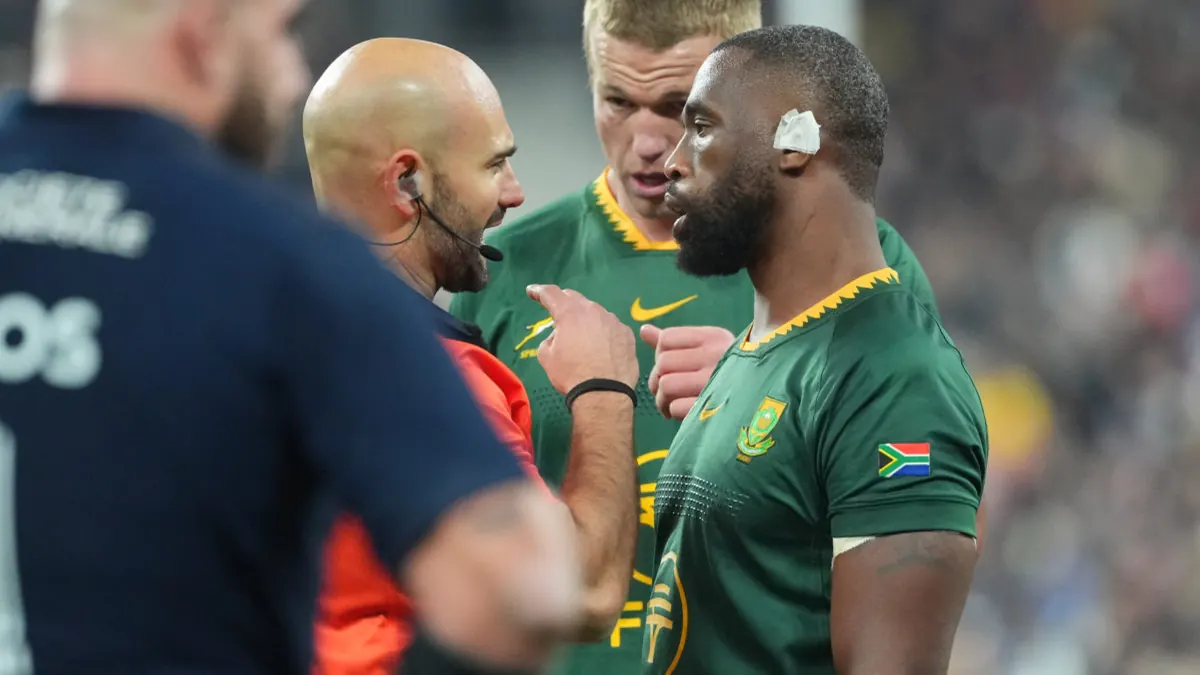
In a significant moment for South African rugby, former Springbok great Naas Botha has voiced his concerns regarding the recent six-match suspension imposed on Rassie Erasmus, the Springboks director of rugby.