The ongoing discourse surrounding Bafana Bafana, South Africas national soccer team, has taken a sharp turn following the recent commentary on the perceived toxicity of support for the squad. In the wake of Mamelodi Sundowns impressive representation in the national team, with 13 players called up, the conversation has shifted from pride to criticism, raising questions about the nature of support and its implications for South African soccer. Bafana Bafanas struggles in international competitions have long been a point of contention among fans and analysts alike. This week, the spotlight has intensified on the national teams reliance on players from Sundowns, a club that has dominated local football. The concern is not merely about the number of players selected but rather the narrative that accompanies it. Critics argue that the overwhelming presence of Sundowns players could create an unhealthy dynamic, where the success of the club overshadows the collective identity of the national team. The debate is particularly poignant as South Africa prepares for upcoming international fixtures, including crucial World Cup qualifiers. The performance of the national team is not just about individual talent but also about cohesion and unity. With so many players from a single club, there are fears that Bafana Bafana may struggle to forge a distinct identity, which is essential for success on the international stage. The challenge lies in balancing club loyalties with national pride, a task that has proven difficult. Moreover, the legacy of former coach Pitso Mosimane, who led Sundowns to numerous domestic and continental successes, looms large over the current discourse. His tenure has set high expectations for both club and country, and the pressure is palpable as fans expect Bafana Bafana to replicate Sundowns triumphs. This expectation can lead to a toxic environment, where support for the team is conditional and often laced with negativity. It is crucial for supporters to recognize that national representation should be about unity and pride, rather than club rivalries. As South African soccer continues to evolve, it is imperative for fans to foster a more constructive form of support for Bafana Bafana. Encouraging a sense of belonging and collective pride can significantly impact the players performance. The current squad, rich in talent from Sundowns, has the potential to achieve great things, but this can only be realized if the fans rally behind them without the shadows of club biases. Looking ahead, the need for a unified front is more important than ever. As Bafana Bafana gears up for their next challenges, supporters must embrace a more positive and inclusive approach to cheering for the national team. By doing so, they can contribute to a healthier soccer culture in South Africa, one that elevates the national team and its players, regardless of their club affiliations.
Bafana Bafanas Support Debate Intensifies
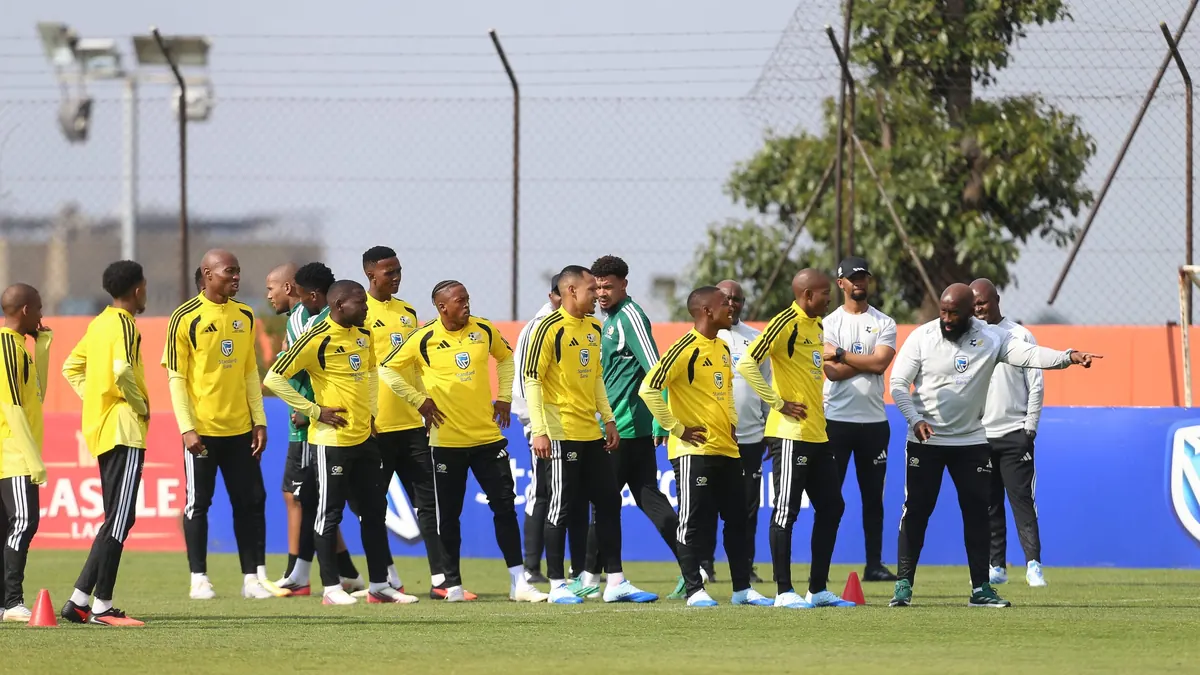
The ongoing discourse surrounding Bafana Bafana, South Africas national soccer team, has taken a sharp turn following the recent commentary on the perceived toxicity of support for the squad.