In the annals of rugby history, few rivalries are as storied as that between South Africa and New Zealand. The intensity of their encounters has often been shaped by the broader social and political landscapes of their times. The 1996 series, marked by the All Blacks quest for revenge, stands out as a pivotal moment not only in rugby but also in South African history, reflecting the challenges faced by the Springboks during a time of significant change. The All Blacks arrived in South Africa in 1996 with a singular focus on reasserting their dominance after the Springboks had claimed their first World Cup title in 1995. The New Zealand team, led by coach John Hart, was determined to regain the upper hand in their long-standing rivalry. With players like Jonah Lomu and the experienced Tana Umaga, the All Blacks boasted a powerful lineup that was both physically imposing and tactically astute. They were not only driven by the desire for victory but also by the need to restore their pride after a series of disappointing performances following the World Cup. In stark contrast, the Springboks were grappling with internal distractions that affected their preparations and performance. The team, under the guidance of coach Kitch Christie, was navigating the complexities of post-apartheid South Africa, where rugby was seen as both a unifying force and a point of contention. The players were not just competing on the field; they were also conscious of their roles in a society undergoing profound transformation. This dual pressure often manifested in their performances, as they struggled to maintain focus amidst the swirling narratives surrounding them. The 1996 series was played over three tests, with each match serving as a reflection of the shifting dynamics between the two teams. The first test in Durban set the tone, as the All Blacks capitalized on the Springboks early errors, showcasing their clinical finishing and strategic play. As the series progressed, it became clear that the All Blacks were not just a team seeking revenge; they were a finely-tuned machine that thrived on discipline and cohesion, attributes that the Springboks, despite their talent, were finding hard to muster. The second test in Pretoria further highlighted the disparity in focus between the two sides. While the All Blacks played with a sense of purpose and unity, the Springboks seemed to be weighed down by external pressures and expectations. The atmosphere in South Africa was charged, with rugby fans divided in their support, reflecting broader societal tensions. This distraction proved costly for the Springboks, as they failed to execute their game plan effectively, allowing the All Blacks to secure a historic series victory. In the aftermath of the series, the implications for South African rugby were profound. The loss not only dented the Springboks confidence but also raised questions about their ability to perform under pressure. For the All Blacks, the victory reaffirmed their status as a global rugby powerhouse and set the stage for their dominance in the years to follow. As the rugby landscape continues to evolve, the lessons from the 1996 series remain relevant. The importance of focus, unity, and resilience cannot be overstated, especially as the Springboks prepare for future challenges on the international stage. The rivalry with the All Blacks is set to continue, and as both teams look ahead, the echoes of past encounters will undoubtedly influence their strategies and mindsets in upcoming matches. The rich history of this rivalry promises to deliver more thrilling chapters in the years to come.
1996 Rugby Series: SA vs New Zealand Rivalry
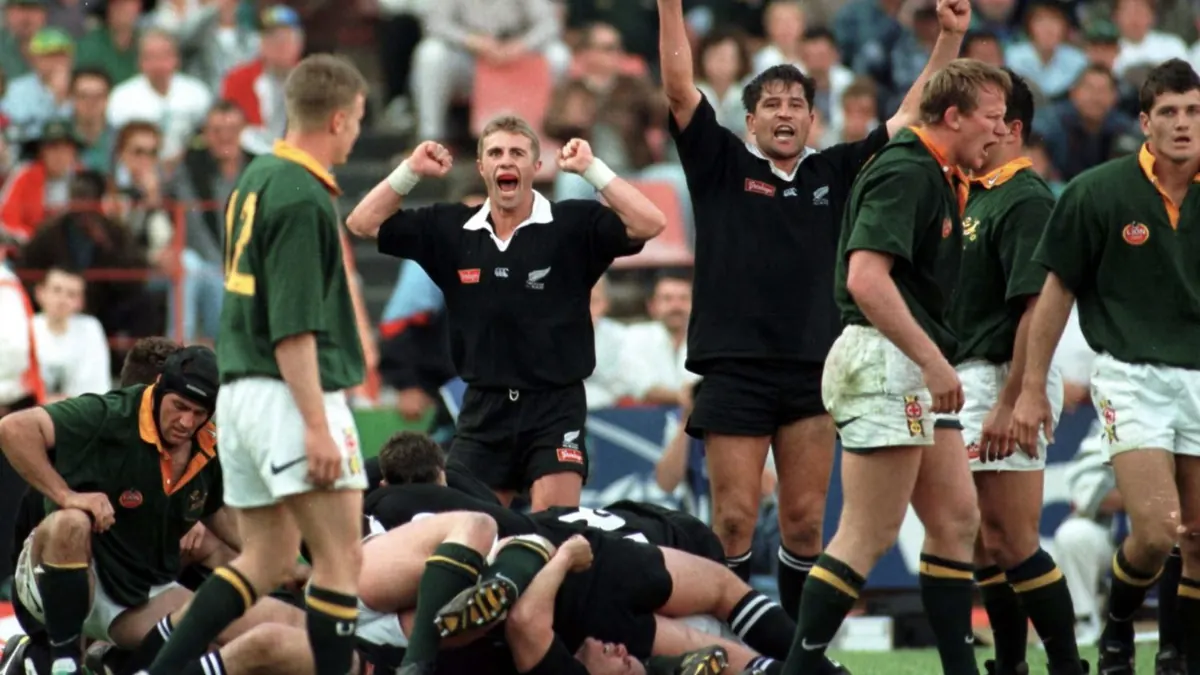
In the annals of rugby history, few rivalries are as storied as that between South Africa and New Zealand. The intensity of their encounters has often been shaped by the broader social and political landscapes of their times.